Expulsion of Iranian diplomats from Paris could damage bilateral ties, Tehran warns
Iran has warned that France's expulsion of two Iranian diplomats could severely harm bilateral relations, following reciprocal actions by both countries over alleged diplomatic interference.
Intelligence analysis by Gemini 2.5 Flash

Tehran issued a strong warning to Paris, stating that France's decision to expel two Iranian diplomats is 'unjustifiable' and could be 'destructive' to future relations. This comes after Iran itself declared two French diplomats persona non grata, accusing them of violating international law and interfering in its internal affairs.
Imagine two kids, Iran and France, are playing in a sandbox. One day, Iran says France's toys are going into its side of the sandbox too much and doing things they shouldn't. So, Iran tells two of France's toys to leave. Then, France gets mad and tells two of Iran's toys to leave its side of the sandbox too. Now, both kids are upset, and their friendship might be broken because they're not respecting each other's space.
Analysis
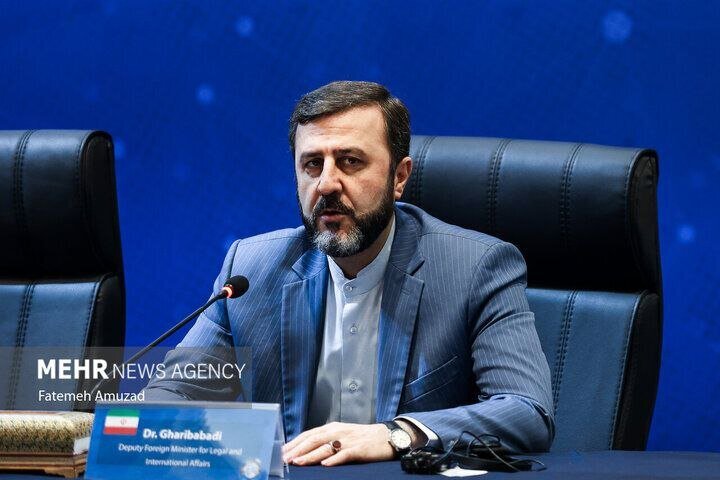
The recent diplomatic row between Tehran and Paris marks a significant downturn in their bilateral relations, with both nations taking reciprocal measures that threaten to deepen the rift. Iran's Foreign Ministry spokesman, Esmaeil Baqaei, articulated Tehran's position, emphasizing that France's expulsion of Iranian diplomats was 'unjustifiable' and could have 'destructive' consequences for ongoing relations. This stern warning underscores Iran's view that diplomatic interactions must be founded on mutual respect and strict adherence to international protocols, particularly the principle of non-interference in domestic affairs. The escalation suggests a breakdown in communication or a fundamental disagreement over the boundaries of diplomatic conduct.
Esmaeil Baqaei
Esmaeil Baqaei, the Iranian Foreign Ministry spokesman, played a central role in conveying Tehran's official stance on the diplomatic expulsions. He asserted that Iran's actions were a direct response to what it perceived as the French Embassy in Tehran exceeding its diplomatic mandate. Baqaei highlighted that Iran had identified activities by French diplomats that were contrary to their responsibilities, leading to the declaration of two French diplomats as persona non grata. His statements consistently reiterated the importance of mutual respect and non-interference, framing Iran's response as a lawful and necessary measure to protect its sovereignty and uphold international diplomatic conventions.
1961 Vienna Convention
The dispute is deeply rooted in interpretations and alleged violations of the 1961 Vienna Convention on Diplomatic Relations. Iran explicitly stated that its decision to expel French diplomats was based on its determination that the French Embassy had engaged in activities beyond its diplomatic mandate, thereby violating the responsibilities outlined in this crucial international treaty. The Convention sets clear guidelines for diplomatic immunity and the conduct of diplomats, stipulating that diplomats must respect the laws of the receiving state and refrain from interfering in its internal affairs. Iran's accusation suggests a serious breach of these foundational principles, which are cornerstones of international diplomacy.
August 15
The specific incident that triggered Iran's initial action was an accusation made by Iran's Intelligence Ministry on August 15. The ministry claimed that two French diplomats had attended a secret meeting in Tehran in July with individuals linked to a major case involving 'foreign infiltration and interference.' This accusation provided the concrete justification for Iran's decision to declare the French diplomats persona non grata. According to the Iranian Foreign Ministry, several weeks passed after these activities were identified, during which France reportedly took no steps to address the issue or offer assurances against future similar conduct. This perceived lack of response from France further solidified Iran's resolve to take retaliatory measures, leading to the current diplomatic impasse.
Key points
- Iran warned that France's expulsion of two Iranian diplomats could severely damage bilateral relations.
- The warning follows reciprocal expulsions, with Iran first declaring two French diplomats persona non grata.
- Iran accused French diplomats of exceeding their mandate and interfering in its internal affairs, violating the 1961 Vienna Convention.
- The dispute escalated after Iran's Intelligence Ministry claimed French diplomats attended a secret meeting linked to 'foreign infiltration'.
- Tehran emphasized that relations must be based on mutual respect and non-interference.
The reciprocal expulsions could lead to a further deterioration of diplomatic relations between Tehran and Paris, potentially impacting future negotiations or cooperation on regional and international issues. This escalation risks creating a prolonged period of strained ties, making it harder to address shared concerns or de-escalate other tensions.