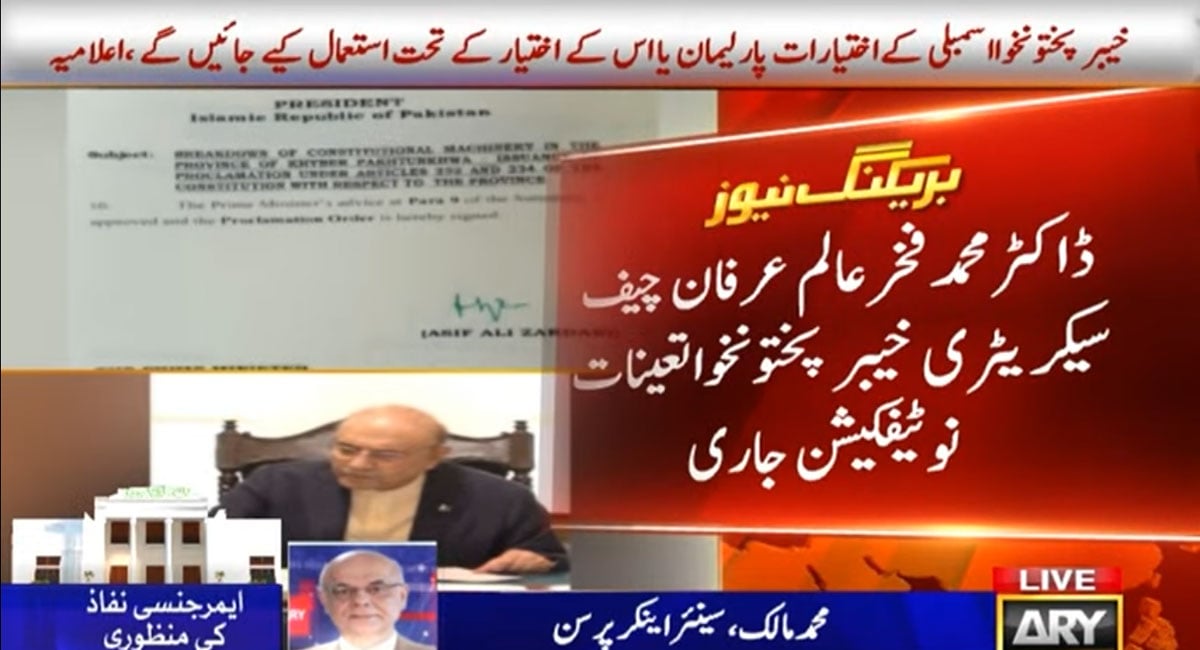
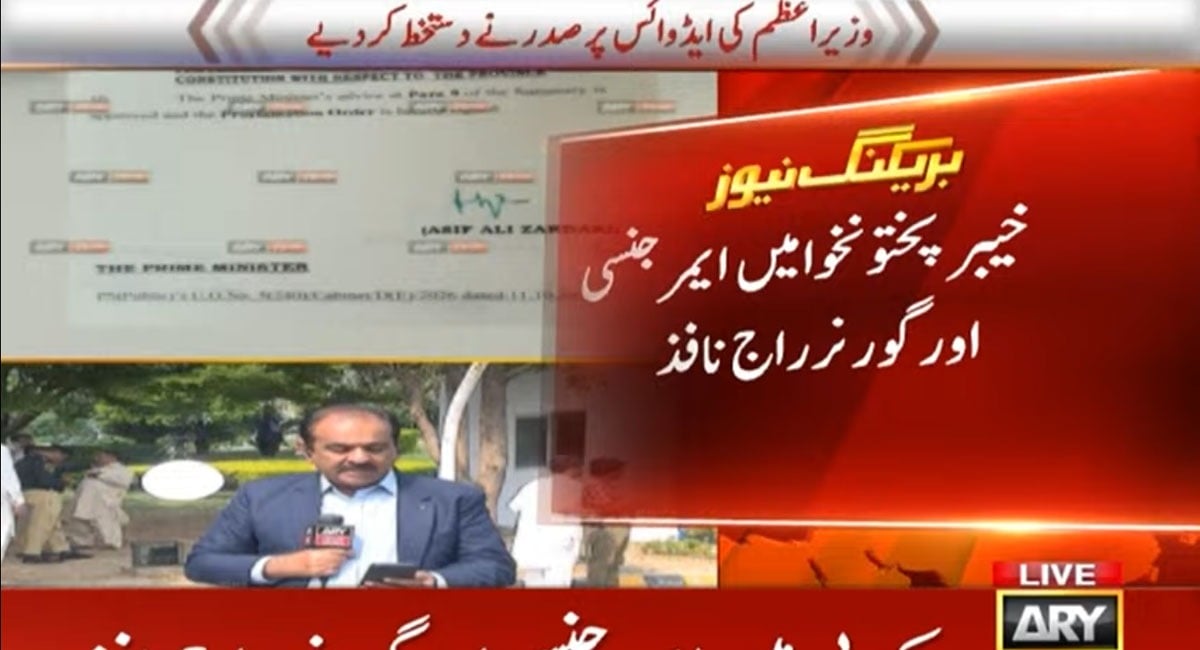
Federal Govt Decides to Impose Emergency & Governor’s Rule in KPK
Political negotiations between the government and PTI are stalled as opposition leader Mahmood Khan Achakzai's absence delays a crucial third round of talks in Islamabad. Committee members express concern over the lost time, emphasizing the urgency of resolving outstandin…
Intelligence analysis by Gemini 2.5 Flash
The ongoing political dialogue between Pakistan's government and the PTI party faces a significant hurdle due to the prolonged absence of opposition leader Mahmood Khan Achakzai from Islamabad. His delayed arrival has postponed a critical third round of negotiations, leaving the resolution of key political differences uncertain and causing frustration among committee members.
Imagine two big teams, the government and another team called PTI, are trying to talk and solve some big problems for the country. But their main helper, a person named Mahmood Khan Achakzai, isn't there yet! He's far away in another city, and everyone is waiting for him to come to Islamabad so they can finally have their important meeting. Until he arrives, they can't move forward, and everyone is getting a bit worried because time is ticking.
Analysis
The article focuses on the impasse in political negotiations between the government and the Pakistan Tehreek-e-Insaf (PTI) party, primarily attributing the delay to the absence of opposition leader Mahmood Khan Achakzai. This situation underscores the fragile nature of political dialogue in Pakistan, where the presence and coordination of key figures are paramount for progress. The negotiating committee's frustration, as conveyed by one of its members, highlights the perceived urgency of these talks, with "every hour is precious" indicating the high stakes involved. The inability to convene a third round of discussions means that critical issues remain unaddressed, perpetuating a state of political uncertainty that can have broader implications for national stability and governance. The article, despite its headline, details a specific procedural hurdle rather than a substantive policy decision, revealing the operational challenges in Pakistan's political landscape.
Mahmood Khan Achakzai
The central figure in the article's narrative of delay is Mahmood Khan Achakzai, the opposition leader whose presence is deemed essential for the continuation of political negotiations. His reported location in Quetta and the two-day wait for his arrival in Islamabad underscore a significant logistical and coordination challenge within the opposition's negotiating team. This delay is presented as a direct impediment to progress, with committee members suggesting that "several matters could have been resolved earlier" had he been present. Achakzai's role as a key negotiator means his absence effectively halts the dialogue, illustrating how individual leadership and availability can critically influence the pace and success of high-level political discussions in Pakistan. The article frames his arrival as the primary condition for the resumption of talks, making him a pivotal, albeit absent, character in this political drama.
Third Round of Talks
The anticipated "third round of talks" is portrayed as a crucial juncture for both the government and PTI to advance their negotiations and address unresolved issues. The article emphasizes that this round is seen as an "opportunity for both sides to move forward," suggesting that previous discussions may have laid some groundwork but failed to reach a conclusive outcome. The delay in convening this specific round, directly linked to Achakzai's absence, highlights the procedural bottlenecks that can derail even well-intentioned political processes. The uncertainty surrounding the timing of this meeting reflects the broader unpredictability of Pakistan's political environment, where even scheduled dialogues can be subject to unforeseen postponements. The successful convening and outcome of this round are presented as vital for de-escalating tensions and fostering a more stable political climate.
Islamabad
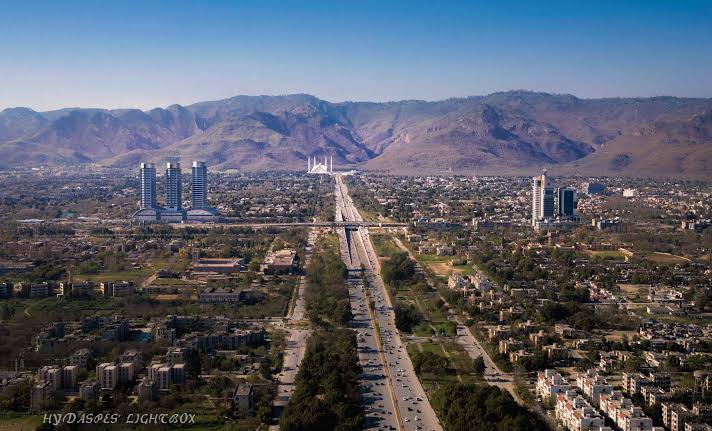
Islamabad serves as the designated venue for these critical political negotiations, symbolizing the federal center where national political decisions and dialogues are expected to unfold. The article repeatedly mentions the expectation of Achakzai's return to the "federal capital" for talks, contrasting it with his current location in Quetta. This geographical distinction underscores the importance of the capital as the hub for high-stakes political engagement. The delay in his arrival in Islamabad not only postpones the talks but also subtly highlights the challenges of centralizing political processes, especially when key figures are dispersed. The city, therefore, represents the focal point where the resolution of national political differences is sought, and its readiness to host these discussions stands in contrast to the current state of waiting and uncertainty.
Key points
- Political negotiations between the government and PTI are currently stalled.
- The delay is attributed to the absence of opposition leader Mahmood Khan Achakzai from Islamabad.
- A crucial third round of talks is awaiting Achakzai's arrival.
- Committee members express urgency, noting that "every hour is precious."
- The timing of the next meeting remains uncertain, dependent on Achakzai's return.
If Mahmood Khan Achakzai arrives promptly and the third round of talks proceeds, it could lead to a breakthrough in negotiations between the government and PTI. This could help resolve outstanding political issues, reduce tensions, and foster a more stable political environment in Pakistan.
The continued delay in negotiations due to Achakzai's absence could further exacerbate political tensions and prolong uncertainty. A failure to resume and conclude talks successfully might lead to increased political instability and a lack of consensus on critical national matters.