Federal govt raises petrol, diesel prices
The federal government has increased the prices of petrol and diesel, with the new rates taking effect from August 18. The price of petrol has been increased by Rs5.77 per liter, taking the new price to Rs331.20 per liter, while the price of high-speed diesel has been rai…
Intelligence analysis by Llama
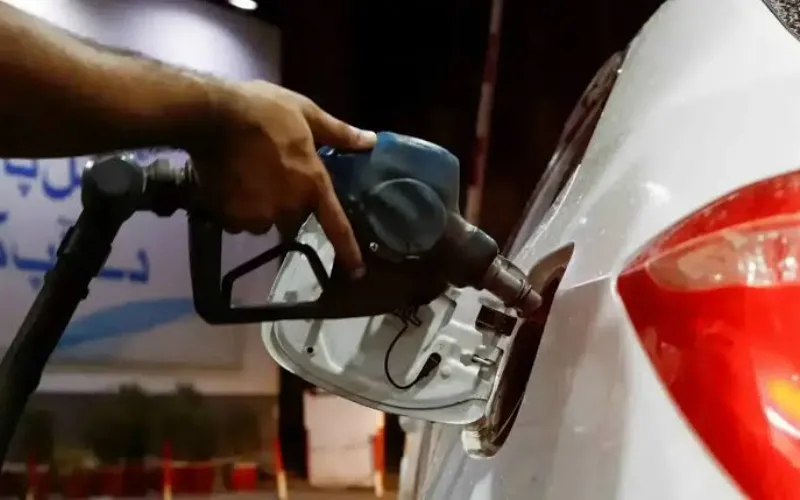
The federal government has increased the prices of petrol and diesel, with the new rates taking effect from August 18. The price of petrol has been increased by Rs5.77 per liter, while the price of high-speed diesel has been raised by Rs6.47 per liter.
The federal government has increased the prices of petrol and diesel, which means that people will have to pay more for fuel. This will affect the daily lives of citizens and have implications for the economy, including higher inflation and decreased consumer spending.
Analysis
Price Hike: A Blow to the Common Man
The recent price hike of petrol and diesel by the federal government is a significant development that will have far-reaching consequences for the common man. The price of petrol has been increased by Rs5.77 per liter, taking the new price to Rs331.20 per liter, while the price of high-speed diesel has been raised by Rs6.47 per liter to Rs390.42 per liter. This increase will not only affect the daily lives of citizens but also have implications for the economy.
Economic Impact
The price hike of petrol and diesel will have a direct impact on inflation, which is already a concern for the economy. Higher fuel prices will lead to increased costs for transportation, which will be passed on to consumers in the form of higher prices for goods and services. This will further exacerbate the already high inflation rate, making it difficult for citizens to afford basic necessities.
Consumer Impact
The price hike of petrol and diesel will also have a significant impact on consumers, who will have to pay more for fuel. This will lead to a decrease in disposable income, making it difficult for citizens to afford basic necessities. The price hike will also affect the purchasing power of citizens, making it difficult for them to afford goods and services.
Government Response
The government's decision to increase the prices of petrol and diesel has been met with criticism from various quarters. Many have argued that the government should have taken steps to reduce the prices of fuel instead of increasing them. The government's response to the criticism has been that the price hike is necessary to ensure the stability of the economy. However, many are skeptical about the government's intentions and are calling for a more transparent and accountable approach to economic decision-making.
Key points
- The federal government has increased the prices of petrol and diesel by Rs5.77 per liter and Rs6.47 per liter, respectively.
- The new prices will take effect from August 18.
- The price hike will have a direct impact on inflation and consumer spending.
- The government's decision has been met with criticism from various quarters.
If the government takes steps to reduce the prices of fuel in the future, it could lead to increased consumer spending and economic growth. Additionally, if the government invests in alternative energy sources, it could reduce the country's reliance on fossil fuels and lead to a more sustainable economy.
If the price hike of petrol and diesel continues, it could lead to higher inflation, decreased consumer spending, and a decline in the overall economy. Additionally, if the government fails to take steps to address the issue, it could lead to widespread discontent and social unrest.