FIFA Abandons Plan to Sell Stake in Major Competitions
FIFA has abandoned its plan to sell a stake in its major competitions, including the World Cup, after facing widespread opposition from its member associations. The plan, which would have allowed outside investors to buy a minority stake in a new company called FIFA Forwa…
Intelligence analysis by Llama
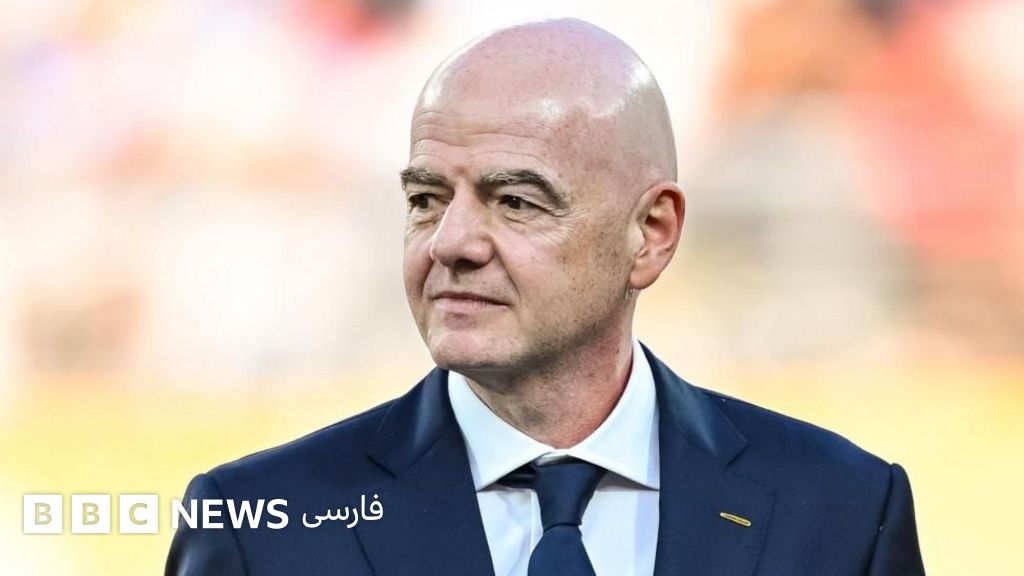
FIFA has dropped its plan to sell a stake in its major competitions, including the World Cup, after facing opposition from several major football associations. The plan, which would have allowed outside investors to buy a minority stake in a new company called FIFA Forward Enterprises, was met with resistance from UEFA, CONCACAF, and the Asian Football Confederation.
FIFA, the organization that runs the World Cup, wanted to sell a small part of its business to outside investors. But many of its member associations, like UEFA and CONCACAF, didn't want this to happen because they thought it would give up too much control. So, FIFA decided to stop the plan and find another way to make money.
Analysis
A $60B Vote of Confidence
FIFA's decision to abandon its plan to sell a stake in its major competitions is a significant development in the world of football. The plan, which was first announced in 2022, would have allowed outside investors to buy a minority stake in a new company called FIFA Forward Enterprises. The company would have been responsible for managing FIFA's major competitions, including the World Cup, and would have generated revenue for the organization through the sale of broadcasting rights and sponsorships.
The plan was seen as a way for FIFA to generate revenue and become more financially sustainable, but it was also seen as a threat to the independence of the organization. Several major football associations, including UEFA and CONCACAF, opposed the plan, citing concerns that it would lead to a loss of control over the organization's major competitions.
In a statement, FIFA President Gianni Infantino said that the plan had been abandoned due to the opposition from the member associations. He said that the organization would continue to explore ways to generate revenue and become more financially sustainable, but that it would do so in a way that is consistent with the values and principles of the organization.
The decision to abandon the plan is significant because it shows that FIFA is willing to listen to its member associations and adapt to changing circumstances. It also highlights the importance of the organization's independence and the need to protect it from external influences.
Why the Plan Failed
The plan to sell a stake in FIFA's major competitions failed due to opposition from several major football associations. The associations, including UEFA and CONCACAF, cited concerns that the plan would lead to a loss of control over the organization's major competitions.
The plan was also seen as a threat to the independence of the organization. Several member associations expressed concerns that the plan would lead to a loss of control over the organization's major competitions and that it would be difficult to reverse the decision if it was made.
The Road Ahead
The decision to abandon the plan is significant because it shows that FIFA is willing to listen to its member associations and adapt to changing circumstances. The organization will continue to explore ways to generate revenue and become more financially sustainable, but it will do so in a way that is consistent with the values and principles of the organization.
The decision also highlights the importance of the organization's independence and the need to protect it from external influences. FIFA will need to continue to work with its member associations to find a solution that is in the best interests of the organization and its stakeholders.
Key points
- FIFA has abandoned its plan to sell a stake in its major competitions, including the World Cup.
- The plan was met with opposition from several major football associations, including UEFA and CONCACAF.
- FIFA will continue to explore ways to generate revenue and become more financially sustainable.
- The organization will do so in a way that is consistent with its values and principles.
- The decision highlights the importance of FIFA's independence and the need to protect it from external influences.
FIFA's decision to abandon the plan to sell a stake in its major competitions is a positive development for the organization. It shows that FIFA is willing to listen to its member associations and adapt to changing circumstances. This could lead to a more collaborative and sustainable approach to generating revenue and managing the organization's major competitions.
The decision to abandon the plan could also have negative consequences for FIFA. If the organization is unable to generate revenue and become more financially sustainable, it could lead to a decline in the quality of its major competitions and a loss of credibility among its member associations.