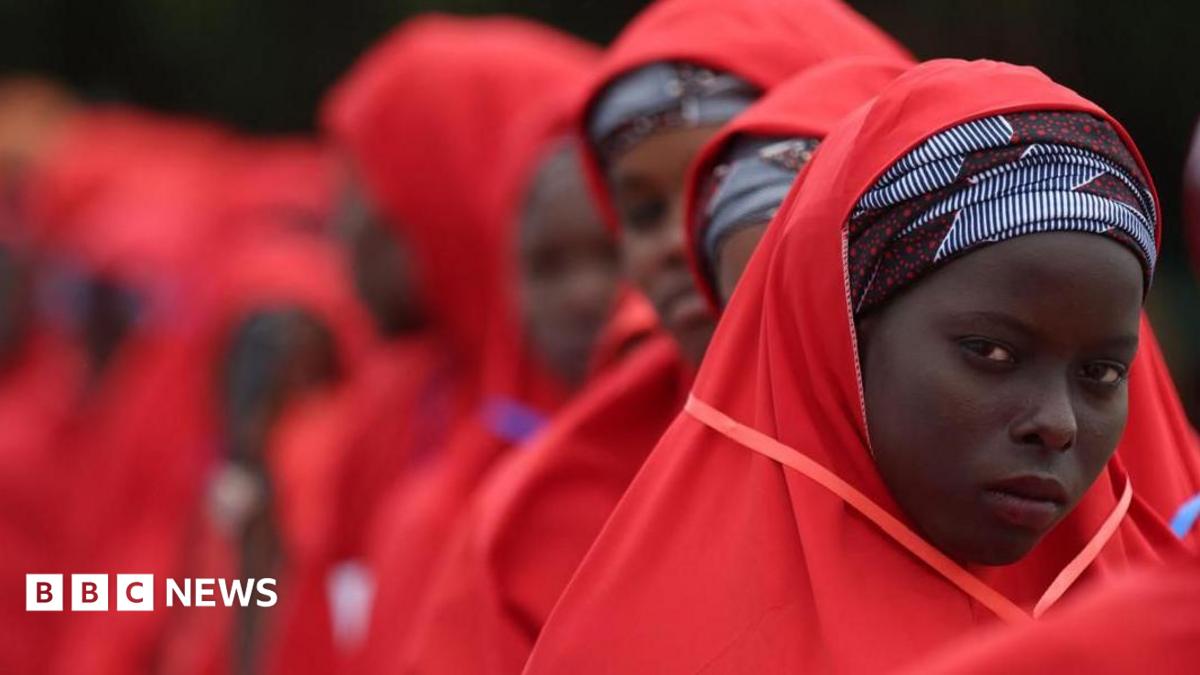
Freed hostages in Nigeria describe their ordeal during captivity
Over 300 people kidnapped in northern Nigeria have been rescued in a major operation, with victims sharing harrowing accounts of their captivity, including a nurse who assisted in 10 childbirths.
Intelligence analysis by Gemini 2.5 Flash
Nigerian authorities successfully rescued more than 300 hostages from separate abduction incidents in northern Nigeria, a feat President Bola Tinubu attributed to improved intelligence and security coordination. The freed individuals, including women and children, recounted severe conditions during their months-long ordeal, highlighting the persistent challenge of mass abductions by a…
Imagine a scary game of hide-and-seek where bad guys grab people from their homes and keep them hidden in forests for months. Recently, in Nigeria, the good guys, like police and soldiers, worked really hard together, using secret clues, and found over 300 of these hidden people! One brave nurse even helped ten babies be born while they were hiding. It's a big relief that they're safe, but it also shows that these bad guys are still a problem in some parts of the country.
Analysis
Amira Saliu
Amira Saliu, a nurse among the freed hostages, provided a poignant account of the dire conditions faced by the captives. Her testimony revealed the constant fear and deprivation, as kidnappers forced them to extinguish fires and remain silent whenever aircraft were overhead, indicating a persistent threat of detection. The intermittent provision of food meant many, including children, often went hungry, underscoring the severe neglect and hardship endured.
Crucially, Saliu's role as the sole nurse among the captives became vital, as she assisted approximately 10 pregnant women in delivering their babies without any medical supplies, using only her bare hands. This detail not only illustrates the extreme vulnerability of the hostages but also highlights the resilience and resourcefulness of individuals under unimaginable duress. Her experience underscores the profound human toll of these abductions, particularly on women and children, who often face additional health risks and trauma during captivity.
President Bola Tinubu
President Bola Tinubu lauded the rescue operation as the country's largest single-day effort, attributing its success to enhanced intelligence gathering and improved coordination among Nigeria's security agencies. This statement signals a strategic shift or intensified focus by the government on leveraging intelligence to counter the pervasive threat of mass abductions. The scale of the rescue, involving over 300 individuals from different states, suggests a significant operational capacity and a concerted effort to address a critical national security challenge.
However, the President's remarks also implicitly acknowledge the ongoing nature of the problem, as mass abductions and kidnappings for ransom remain a major security concern, particularly in the northwest and north-central regions. The emphasis on 'improved coordination' suggests that previous efforts may have been hampered by fragmented approaches, and this success could be a template for future operations. This development is crucial for public confidence and demonstrates a tangible outcome in the fight against armed criminal groups.
Kwara State
Kwara State played a central role in the aftermath of the rescue, with Governor AbdulRahman AbdulRazaq expressing a mix of regret and gratitude. The fact that 163 of the freed individuals were taken from the Woro community in Kwara state's Kaiama area in February underscores the direct impact of these abductions on local communities. The Governor's sentiments reflect the collective relief felt by the state, tempered by the understanding of the trauma endured by the victims and their families.
The gathering in Ilorin, Kwara State, where victims like Amira Saliu spoke to the media, served as a critical point for both victim support and public awareness. It provided a platform for the freed individuals to share their stories, bringing the human element of the crisis to the forefront. The state's involvement in facilitating the return and care of the hostages highlights the multi-faceted response required, extending beyond military operations to include humanitarian and social support for those affected by prolonged captivity.
Key points
- Over 300 people kidnapped in northern Nigeria were rescued in a single major operation.
- The freed hostages included 163 from Kwara state and 145 from Niger state, held for months in a forest.
- A nurse among the captives, Amira Saliu, assisted 10 pregnant women in childbirth without medical supplies.
- President Bola Tinubu attributed the rescue to improved intelligence and coordination among security agencies.
- Mass abductions for ransom remain a significant security challenge in Nigeria, often linked to armed criminal groups known as bandits.
The successful rescue of over 300 hostages, described as Nigeria's largest single-day operation, indicates improved intelligence gathering and coordination among security agencies. This enhanced capability could lead to more effective future operations against armed criminal groups, potentially reducing the prevalence of mass abductions and restoring a greater sense of security for vulnerable communities.
Despite this significant rescue, mass abductions and kidnappings for ransom remain a major security problem across northern Nigeria, rooted in complex issues like herder-farmer conflicts and a decade-long insurgency. The continued existence of these organized crime networks suggests that isolated rescue operations, while vital, may not fully address the underlying causes or prevent future incidents without broader systemic changes.