Fruit Is Nothing Like It Used to Be
Fruit in U.S. grocery stores is getting sweeter, from Sumo Citrus to designer berries and grapes. The change is driven by selective breeding and consumer demand.
Intelligence analysis by GPT-5.4 Mini
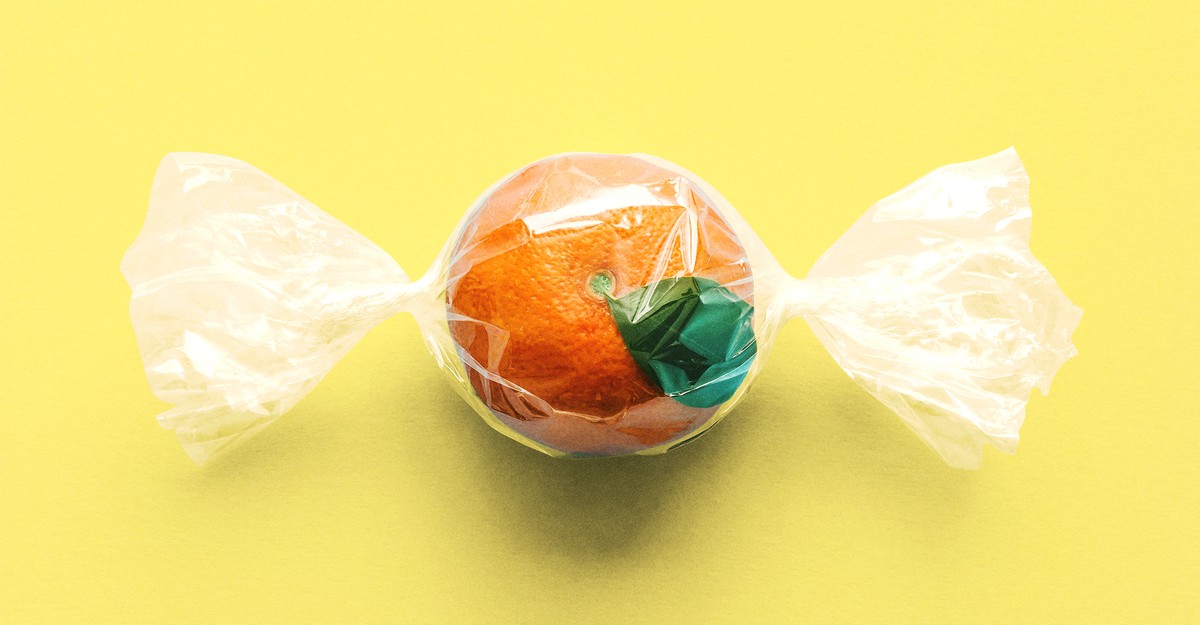
The Atlantic argues that fruit has been transformed into a sweeter, more engineered product. What used to be tart or balanced now often tastes closer to candy, because breeders and retailers have learned that shoppers will pay for sweetness.
Fruit used to taste more sour or balanced, but farmers and breeders keep making it sweeter because people buy the sweetest ones. It is like turning apples and berries into snacks that taste almost like candy, while still being fruit.
Analysis
Sweetness as a market signal
The piece focuses on how supermarket fruit has become noticeably sweeter over time. The Sumo Citrus is the clearest example: a citrus hybrid developed in Japan and sold in U.S. stores since 2011, it has become a standout product because of its size and unusually high sweetness. The article says some Sumos can reach 18 degrees Brix, compared with a typical mandarin orange at roughly 8 to 11.
Industry-wide change
The Atlantic broadens the point beyond one fruit. It points to Driscoll’s Sweetest Batch berries, Fresh Del Monte’s Honeyglow pineapple, Cotton Candy grapes, and other ultra-sweet varieties as signs of a wider shift. Even without trademarked names, the article says many fruits are being bred to be sweeter than they used to be, while grapefruit has been bred to lose bitterness and stone fruits and watermelons are also moving in that direction.
Why the shift happened
The article frames the change as a mix of science and consumer demand. Selective breeding has made fruit sweeter, more uniform, and more commercially valuable. At the same time, modern nutrition culture has made fruit feel like a healthier substitute for processed sugar, even when the fruit itself now tastes more like dessert. The article quotes growers and breeders who describe the process as making fruit "better," but in the grocery store that usually means sweeter.
The tradeoff
The piece suggests there is a cost to this success: fruit can become so sweet that it loses some of its original character, acidity, or complexity. The article uses the image of fruit becoming "candy" to capture both the appeal and the uncanny feeling of eating something that has been pushed far beyond its old flavor profile.
Key points
- U.S. grocery fruit has become markedly sweeter over time, especially in premium varieties.
- Selective breeding and trademarks have turned fruit into a more engineered, commercial product.
- Consumer demand for sweet flavors is pushing breeders to keep raising sweetness levels.
- Some fruits now taste more like candy than the versions people grew up eating.
- The article argues that sweetness has become the main definition of "better" in the produce aisle.
If the trend continues well, shoppers get fruit that is tastier to more people and easier to enjoy as a snack. The article also suggests breeders are improving fruit in other ways, including size, disease resistance, and nutrition.
The downside is that fruit can lose the sharp, complex flavors that made it interesting in the first place. The article also hints that extreme sweetness can flatten variety across the produce aisle, making many fruits taste more alike and less like their wild originals.