Germany, Czechia, Poland and Hungary swelter through hottest days on record
Germany, Czechia, Poland, and Hungary have recorded their hottest days on record, with temperatures exceeding 40C. The heatwave has spread east, affecting over 191 million people in Europe.
Intelligence analysis by Llama 3.3 70B
The heatwave in Europe has broken records, with Germany, Czechia, Poland, and Hungary experiencing their hottest days on record. The extreme weather has led to fires, evacuations, and a significant increase in deaths, particularly among the elderly.
Imagine you're playing outside on a really hot day. You feel thirsty and tired, and you need to find shade to cool down. That's what's happening in Europe right now, but instead of just one day, it's been really hot for a long time. It's making a lot of people sick, and some have even died. We need to take care of the Earth so it doesn't get too hot.
Analysis
Heatwave Spreads Across Europe
The heatwave in Europe has spread east, affecting over 191 million people in the region. Germany, Czechia, Poland, and Hungary have recorded their hottest days on record, with temperatures exceeding 40C. The extreme weather has led to fires, evacuations, and a significant increase in deaths, particularly among the elderly.
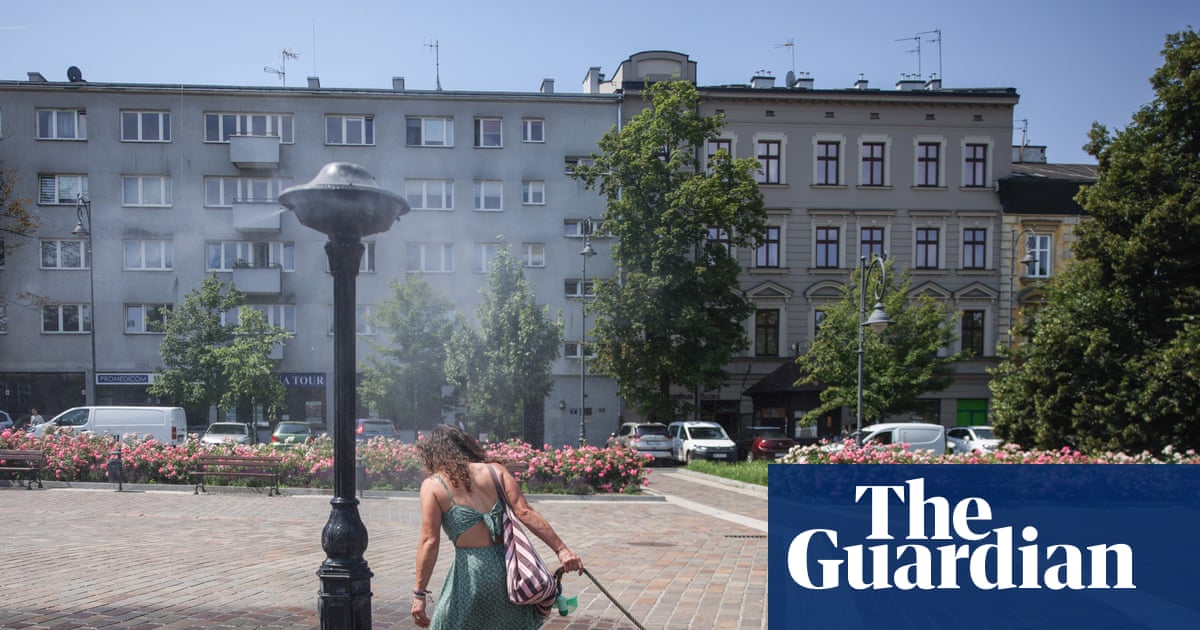
The heatwave has also had a significant impact on the environment, with forests and wildlife affected by the extreme temperatures. In Germany, a fire broke out in a forest contaminated with ammunition from the second world war, complicating firefighters' efforts. In Poland, multiple cities set up water curtains to help residents keep cool in the heat.
Climate Change and Extreme Weather
The heatwave in Europe is a stark reminder of the need for urgent action on climate change. The record-breaking temperatures have significant implications for public health, infrastructure, and the environment. The French national public health agency reported that between 24 and 27 June, 1,000 additional deaths were recorded compared to previous months, with the majority of deaths among people over 65.
The heatwave has also highlighted the need for measures of solidarity towards people who are isolated or experiencing profound loneliness, particularly in highly urbanized areas. The French prime minister, Sébastien Lecornu, said hospitals and emergency services would remain under pressure for the coming days.
Implications for Europe and Beyond
The heatwave in Europe has significant implications for the region and beyond. The extreme weather has led to a significant increase in deaths, and the economic impact of the heatwave is likely to be substantial. The heatwave has also highlighted the need for international cooperation on climate change, as the effects of the extreme weather are felt across borders.
The European Union has called for urgent action on climate change, and the heatwave has underscored the need for a coordinated response to the crisis. The heatwave has also highlighted the need for individual actions, such as reducing energy consumption and increasing the use of renewable energy sources. As the world continues to grapple with the challenges of climate change, the heatwave in Europe serves as a stark reminder of the need for urgent action to mitigate its effects.
Key points
- Germany, Czechia, Poland, and Hungary have recorded their hottest days on record
- The heatwave has affected over 191 million people in Europe
- The extreme weather has led to fires, evacuations, and a significant increase in deaths
The heatwave in Europe has highlighted the need for urgent action on climate change, and it is possible that this event will serve as a catalyst for increased cooperation and investment in renewable energy and climate resilience. If European countries can work together to develop and implement effective strategies for mitigating the effects of climate change, it could have a positive impact on the environment and public health.
The heatwave in Europe has significant implications for public health, infrastructure, and the environment, and it is likely that the effects of the extreme weather will be felt for a long time. The economic impact of the heatwave is likely to be substantial, and it could exacerbate existing social and economic inequalities. If European countries are unable to develop and implement effective strategies for mitigating the effects of climate change, it could have devastating consequences for the region and beyond.