Germany Seeks Solutions for Low Water Crisis on the Rhine
Germany's new transport minister, Steffen Bilger, is meeting with industry leaders to discuss solutions for the low water crisis on the Rhine. The crisis is affecting the country's economy and logistics.
Intelligence analysis by Llama
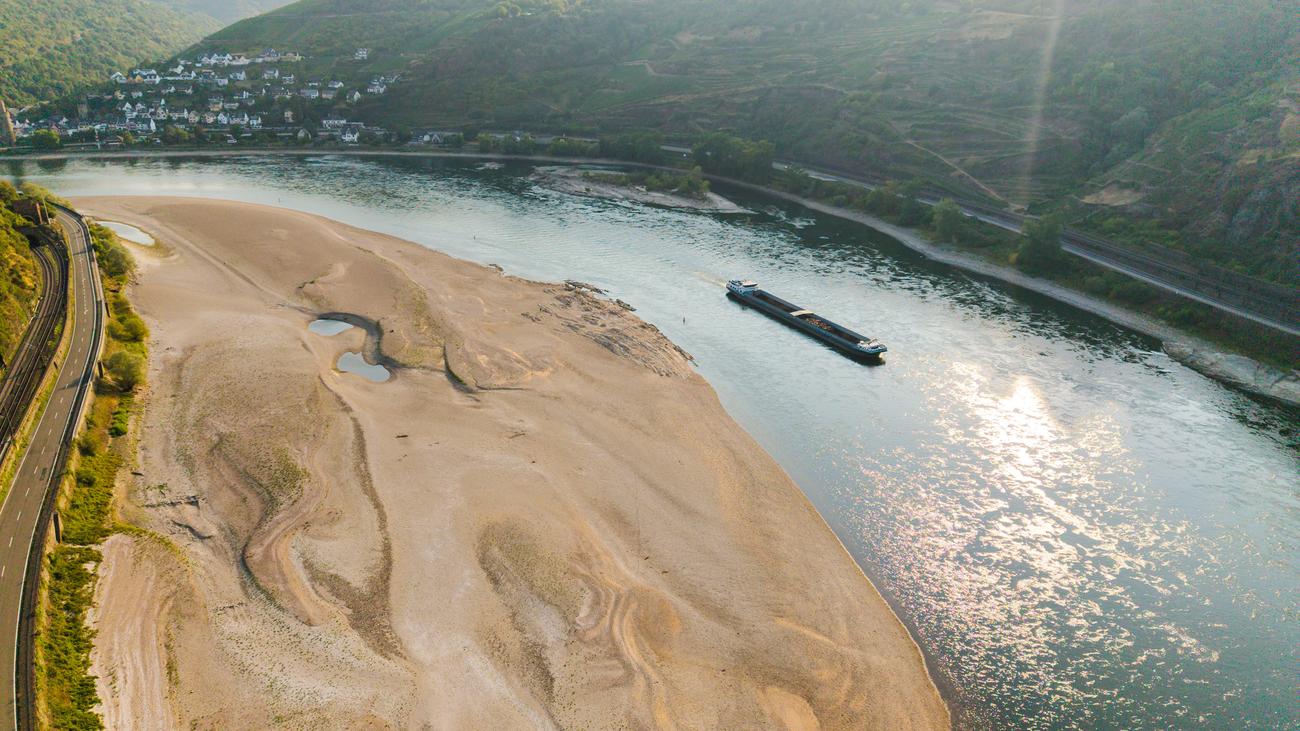
Germany's low water crisis on the Rhine is affecting the country's economy and logistics. Industry leaders are meeting with the new transport minister to discuss solutions. The crisis is not just a short-term weather phenomenon, but a symptom of the climate crisis.
Imagine you're on a boat, and the water level is really low. You can't move as easily, and it's harder to get to where you need to go. That's what's happening on the Rhine river in Germany. The water level is really low, and it's affecting the country's economy and logistics. The government is trying to figure out how to fix it, but it's a big problem that will take time to solve.
Analysis
A $60B Vote of Confidence
The low water crisis on the Rhine is a significant issue for Germany's economy and logistics. The crisis is affecting the country's ability to transport goods, which has implications for the environment. The German government is taking steps to address the crisis, including meeting with industry leaders to discuss solutions. The government is also investing in the country's water infrastructure to make it more resilient to extreme weather events. However, critics argue that the government is not doing enough to address the root causes of the crisis, including climate change. They argue that the government should be focusing on reducing water usage and making the country's waterways more resilient to the impacts of climate change. The low water crisis on the Rhine is a symptom of a larger issue, and it will require a comprehensive solution to address.
Why Cursor?
The low water crisis on the Rhine is not just a short-term weather phenomenon, but a symptom of the climate crisis. The crisis is affecting the country's economy and logistics, and it has implications for the environment. The German government is taking steps to address the crisis, but critics argue that it is not doing enough to address the root causes of the crisis. The government should be focusing on reducing water usage and making the country's waterways more resilient to the impacts of climate change. This will require a comprehensive solution that addresses the root causes of the crisis, rather than just treating the symptoms.
The Road Ahead
The low water crisis on the Rhine is a significant issue for Germany's economy and logistics. The crisis is affecting the country's ability to transport goods, which has implications for the environment. The German government is taking steps to address the crisis, including meeting with industry leaders to discuss solutions. However, critics argue that the government is not doing enough to address the root causes of the crisis. The government should be focusing on reducing water usage and making the country's waterways more resilient to the impacts of climate change. This will require a comprehensive solution that addresses the root causes of the crisis, rather than just treating the symptoms.
Key points
- The low water crisis on the Rhine is affecting Germany's economy and logistics.
- The German government is meeting with industry leaders to discuss solutions.
- The government is investing in the country's water infrastructure to make it more resilient to extreme weather events.
- Critics argue that the government is not doing enough to address the root causes of the crisis.
- The low water crisis on the Rhine is a symptom of the climate crisis.
If the German government can implement effective solutions to address the low water crisis on the Rhine, it could lead to increased efficiency and productivity in the country's logistics and economy. This could also lead to job creation and economic growth.
If the low water crisis on the Rhine is not addressed effectively, it could lead to significant economic losses and disruptions to the country's logistics and economy. This could also lead to environmental damage and harm to the country's ecosystem.