What to do against the energy transition rollback?: The Big Bang
This column, framed from the perspective of summer 2026, critiques Germany's slow energy transition amidst climate crises and volatile energy markets, urging citizens to take immediate action on renewables.
Intelligence analysis by Gemini 2.5 Flash
Amidst a backdrop of severe climate impacts and surging global energy prices, the author, Patrick Graichen, argues that Germany's government is failing to adequately respond to the energy crisis. He advocates for a massive, rapid expansion of wind, solar, and battery technologies, coupled with widespread electrification, and calls on citizens to proactively install heat pumps and sola…
Imagine our planet is getting super hot, like a giant oven, and the fuel we use for cars and heating is getting super expensive because of problems far away. The grown-ups in charge aren't moving fast enough to fix it. So, a smart person says, 'Let's use the sun and wind more!' He wants everyone to put little solar panels on their balconies or roofs and get special heaters that use electricity super efficiently, because these are cheaper and better for the planet, especially since the government might give less help soon.
Analysis
Germany's Climate and Energy Predicament (as of 2026)
The article, written as a column from the perspective of summer 2026, paints a stark picture of Germany's climate and energy situation. Europe is grappling with "apocalyptic wildfires" in France, Spain, and Italy, while Germany itself experiences severe heatwaves leading to overheating hospitals, melting asphalt, and halted Rhine river shipping. These events underscore the nation's inadequate preparedness for the escalating climate reality.
Simultaneously, a simmering conflict in Iran has drastically impacted global oil and gas markets, causing prices to surge by approximately 50 percent compared to February levels. Germany's gas storage facilities are reportedly less than half full, contributing to a highly volatile and precarious energy supply situation. This dual crisis of climate impact and energy insecurity forms the urgent backdrop for the author's analysis.
The Case for Electrification
Patrick Graichen, a former State Secretary for Economic Affairs and co-founder of the Agora Energiewende think tank, asserts that the unequivocal solution to both climate protection and the fossil fuel cost trap is a massive push for electrification. He advocates for the widespread installation of wind and solar power, coupled with battery storage, arguing that these are the cheapest methods of electricity generation. Furthermore, he highlights the superior efficiency of electric technologies: heat pumps are 3 to 4 times more efficient than gas heaters, and electric vehicles are 2 to 3 times more efficient than combustion engines.
This recognition of electrification's benefits is not unique to Germany; many governments globally, particularly oil and gas importers, are adopting similar strategies to secure prosperity. The EU Commission, for instance, passed an electrification strategy in mid-July with the ambitious goal of doubling the share of electric processes in Europe by 2040. However, the author criticizes Germany for being an "outsider," citing specific (though potentially fictionalized for the 2026 setting) examples of government officials promoting gas and combustion engines, indicating a lack of unified political will.
Citizen Action Amidst Policy Stagnation
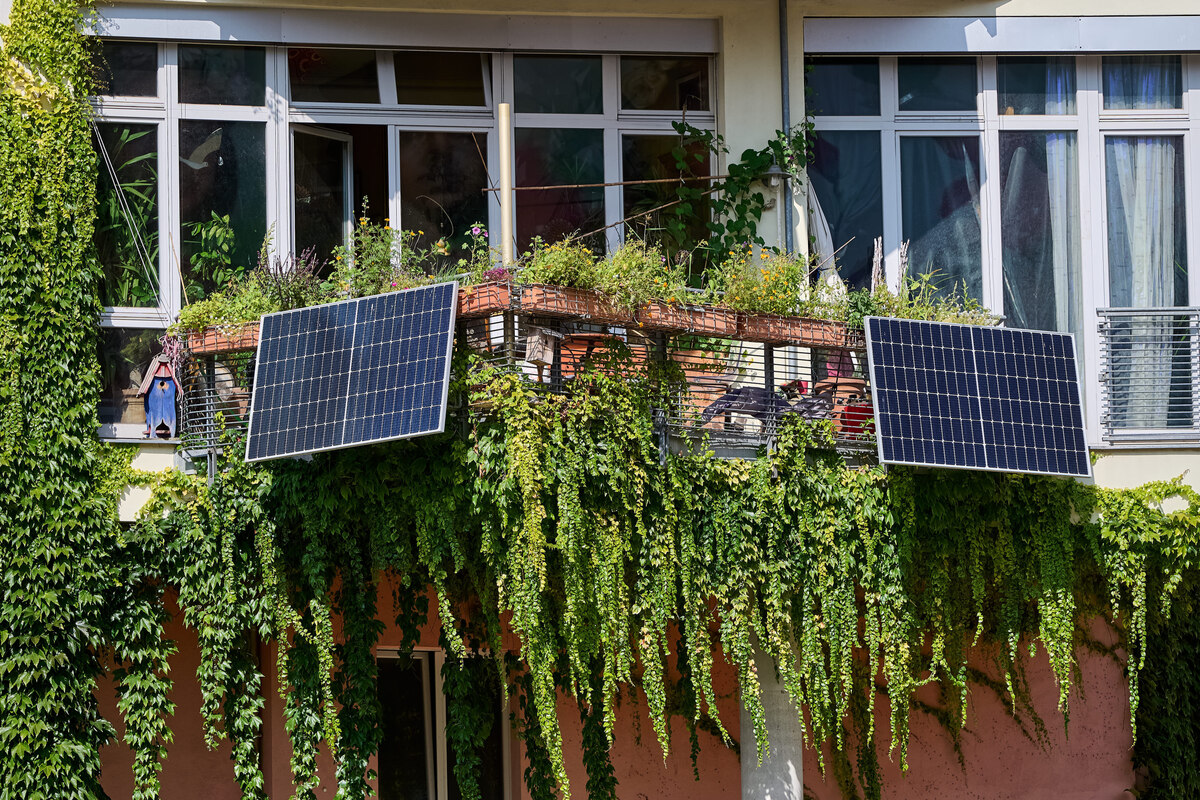
Given the perceived inaction and misdirection from the German government, Graichen issues a direct call to action for citizens: "we citizens must take matters into our own hands." He urges individuals to immediately acquire and install heat pumps and (balcony) solar systems, emphasizing that the technology is now mature and viable for almost every home. He also encourages those without homes to reach out to property-owning friends and family, suggesting they will be grateful for the advice.
The urgency of this individual action is further underscored by the impending reduction in government subsidies. The article warns that funding conditions for heat pumps and solar installations will continuously decline, becoming worse from 2027 onwards. Graichen frames this as an unparalleled opportunity to save money, increase property value, and contribute to climate protection simultaneously, culminating in the rallying cry: "Get to the balconies, onto the roofs, and into the basements!"
Key points
- The article, set in summer 2026, highlights severe climate impacts in Europe and Germany, alongside a 50% surge in global oil and gas prices due to the Iran conflict.
- It criticizes the German government's slow response, citing officials who still promote gas and combustion engines despite the crisis.
- The author advocates for massive, rapid deployment of wind, solar, and battery technologies, alongside widespread electrification, as the cheapest and most efficient solution.
- Citizens are urged to take immediate action by installing heat pumps and (balcony) solar systems, as government subsidies are expected to decrease from 2027.
- The EU Commission is noted for its electrification strategy aiming to double electric processes by 2040, contrasting with Germany's perceived 'outsider' position.
If citizens heed the call to action, a decentralized energy transition could accelerate, reducing Germany's reliance on volatile fossil fuel markets and significantly cutting carbon emissions. Widespread adoption of renewables and heat pumps could empower individuals, lower household energy costs, and boost the value of properties, creating a more resilient and sustainable energy landscape.
Should the government continue its perceived inaction and subsidies for renewables decline as predicted, the energy transition could stall, leaving Germany vulnerable to future climate impacts and energy price shocks. This could exacerbate economic burdens on households and businesses, further entrenching fossil fuel dependence and hindering climate goals.