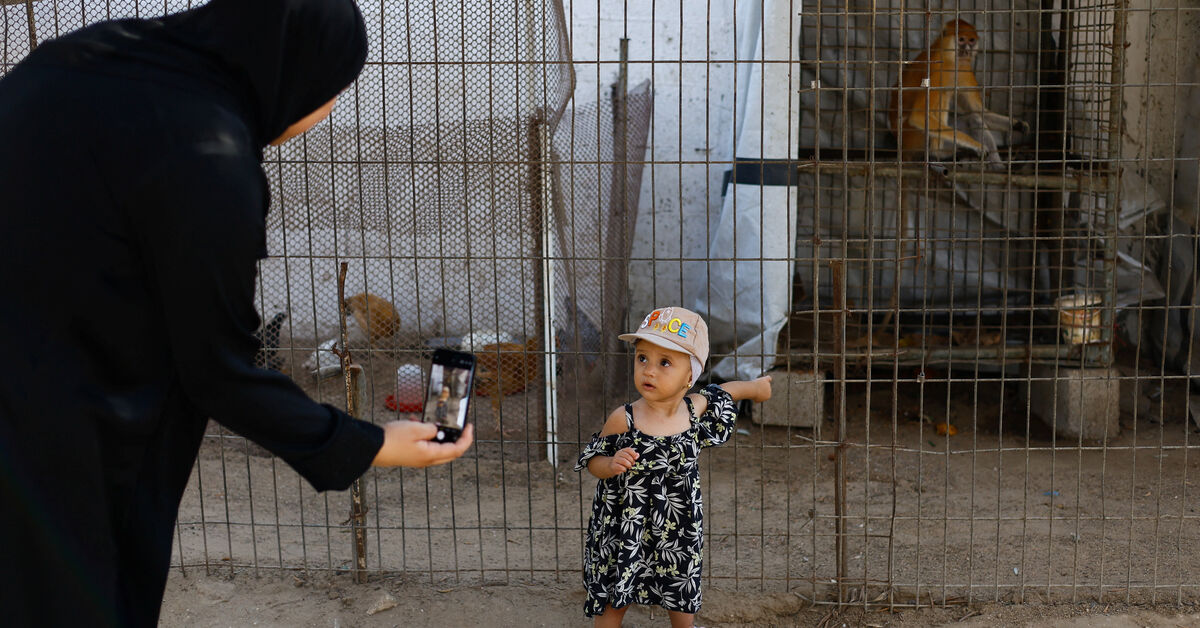
Giza Zoo gains new life after joining with Orman Botanical Garden
The Giza Zoo is undergoing a major development project, set to reopen in 2026, which includes connecting it with the Orman Botanical Garden to create a unified tourist destination.
Intelligence analysis by Gemini 2.5 Flash
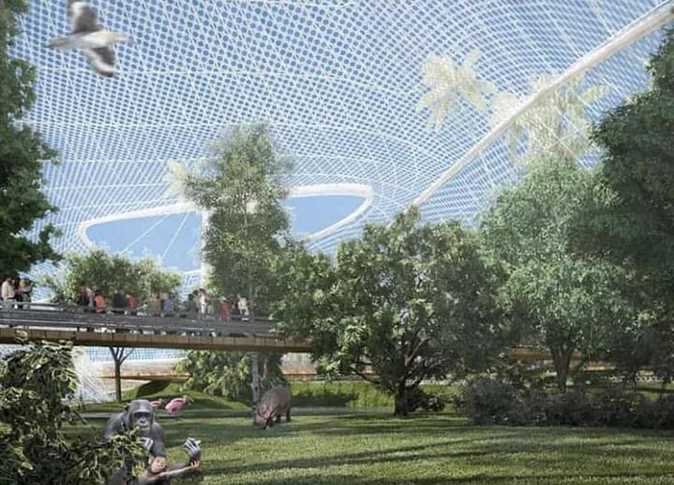
Millions of Egyptians are anticipating the reopening of the Giza Zoo, which is being transformed into a premier regional recreational and tourist spot. The comprehensive project involves modernizing infrastructure, enhancing animal enclosures, and integrating the zoo with the adjacent Orman Botanical Garden via a tunnel, all while preserving its significant historical landmarks.
Imagine your local park and the animal zoo next door are getting a super cool makeover! They're going to connect them with a secret tunnel so you can walk from seeing lions to smelling beautiful flowers without leaving. It's like making one giant, amazing adventure park with old, special buildings and lots of animals, all ready to open in 2026 after grown-up animal experts say it's perfect and safe.
Analysis
The ambitious redevelopment of the Giza Zoo represents a significant investment in Egypt's cultural and recreational infrastructure. By connecting the zoo with the Orman Botanical Garden, authorities aim to create a singular, expansive destination that offers both wildlife exhibits and botanical beauty. This integration is designed to enhance the visitor experience, providing seamless movement between the two sites and a more diverse offering for tourists and locals alike. The project underscores a broader state initiative to modernize and upgrade heritage parks, ensuring their longevity and relevance in the modern era.
2026 Reopening
The official reopening of the Giza Zoo is slated for 2026, a timeline that allows for thorough development and adherence to international standards. This phased approach ensures that all facilities, animal environments, and visitor services meet the highest benchmarks before public access is restored. The African Association of Zoos and Aquaria (AAZA) is actively monitoring the development process, providing oversight to guarantee the readiness and operational efficiency of the revamped zoo. This external validation is critical for establishing the zoo's credibility as a world-class institution.
Collaboration with international consultants and experts is a cornerstone of the project, ensuring that best practices in animal welfare and botanical garden maintenance are applied. This commitment to global standards is expected to elevate the Giza Zoo's reputation and attract a wider international audience. The focus on meticulous preparation and expert guidance aims to prevent future operational issues and ensure a sustainable model for the combined attraction.
Orman Botanical Garden
The integration of the Giza Zoo with the Orman Botanical Garden is a central feature of the redevelopment, promising a unique blend of entertainment, nature, and heritage. A modern tunnel will facilitate easy movement between the two distinct yet connected areas, allowing visitors to explore both the diverse animal species and the stunning plant collections without interruption. This physical connection transforms two separate entities into a cohesive tourist route, enhancing the overall value proposition.
Beyond the physical link, the plan involves a holistic approach to redesigning animal enclosures and modernizing walkways within the zoo, complementing the natural beauty of the botanical garden. The combined destination is envisioned as a comprehensive experience, offering educational opportunities alongside recreational activities. This strategic merger leverages the strengths of both sites, creating a more compelling and memorable visit for all age groups.
Khedive Ismail's Legacy
The Giza Zoo, founded during the reign of Khedive Ismail, holds significant historical importance as the third oldest zoo globally. Its redevelopment project is not merely about modernization but also about preserving this rich legacy and the eight historical landmarks within its grounds, such as the Eiffel Bridge and the Japanese Hall. This commitment to heritage ensures that the zoo's distinctive archaeological and architectural character is maintained, honoring its past while embracing its future.
Spanning 112 acres and home to over 3,000 historic trees and rare plants, alongside 186 species of animals, the zoo is a living testament to its long history. The modernization process, which commenced on July 9, 2023, aims to bring these historical elements up to international standards without compromising their authenticity. By carefully balancing preservation with innovation, the project seeks to ensure that Khedive Ismail's vision continues to inspire and educate future generations.
Key points
- The Giza Zoo is undergoing a comprehensive development project, aiming to transform it into a premier regional tourist destination.
- The project includes connecting the Giza Zoo with the Orman Botanical Garden via a modern tunnel, creating a unified tourist route.
- The renovated attraction is expected to officially open to visitors in 2026, following approval from the African Association of Zoos and Aquaria (AAZA).
- The development prioritizes preserving the zoo's historical value and eight landmarks, including the Eiffel Bridge and Japanese Hall.
- International consultants and experts are collaborating on the project to ensure the highest standards of animal welfare and botanical garden maintenance.
The comprehensive development project is expected to transform the Giza Zoo and Orman Botanical Garden into a premier regional tourist destination, significantly boosting Egypt's tourism appeal. Adherence to international standards and expert collaboration should ensure high animal welfare and visitor experience, fostering a sustainable and educational attraction for years to come.