Healey’s profiteering warning on food and fuel risks row with retailers
Chancellor John Healey warns of potential price gouging by retailers amid ongoing Iran conflict, sparking concerns over rising costs for British households.
Intelligence analysis by Qwen 2.5 (3B)
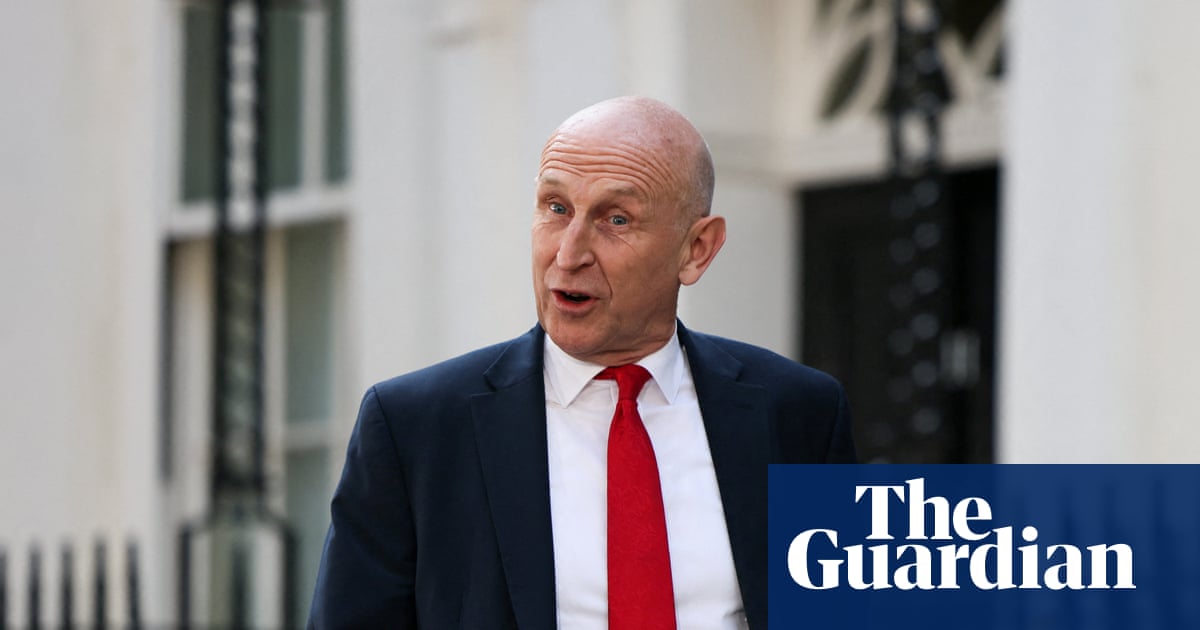
UK Chancellor John Healey has warned retailers to watch for signs of profiteering as the ongoing Iran conflict increases inflation and puts pressure on food and fuel prices.
The UK government is worried that big stores might raise prices too much during a war with Iran. They want to make sure shoppers don't get ripped off at the store or when they fill up their cars.
Analysis
{"
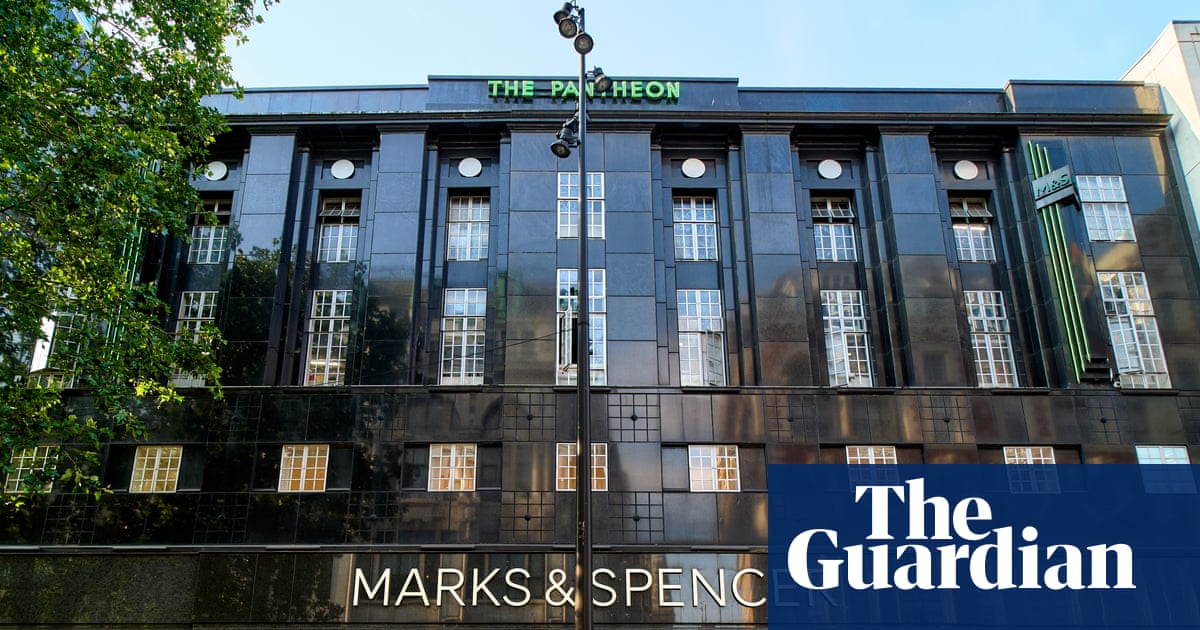
The Impact of Conflict on Retailers and Consumers":-1,"The ongoing conflict in Iran has led to increased energy prices, putting pressure on both retailers and consumers alike. Healey's warning signals a potential clash between government and retailers over price controls, as the government seeks to prevent shoppers from being 'taken for a ride'. The CMA has found that competition among retailers is keeping food prices low, but Healey suggests looking at other factors like tax increases instead of direct intervention in pricing mechanisms. Meanwhile, supermarket CEOs have criticized the idea of a cap on food prices, arguing it would be impractical and ineffective in addressing inflation caused by the conflict. The British Retail Consortium has also suggested that retailers are already operating in highly competitive environments, which is keeping costs down for consumers. Healey's statement highlights the complex balancing act faced by policymakers as they navigate economic challenges during times of geopolitical instability.":-2,"
Government’s Role and Concerns":-1.5,"The government has acknowledged that the ongoing conflict in Iran threatens both national security and economic stability. Healey's column suggests a need for vigilance against potential profiteering by retailers, which could undermine public trust in the government's ability to manage inflation effectively. The Bank of England’s warning about further escalation leading to inflation above 4% next year underscores the severity of these concerns. As the conflict continues, the government faces pressure to find solutions that balance economic stability with consumer protection.":-2,"
Retailers' Perspective and Challenges":-1,"Retailers argue that competition among themselves is already keeping food prices low, despite Healey's suggestion of looking at other factors like tax increases. The British Retail Consortium highlights the importance of maintaining a competitive market environment to keep costs down for consumers. However, this perspective may not fully address concerns about rising fuel and energy bills, which are also affected by the conflict in Iran. As the situation evolves, retailers will need to navigate these challenges while potentially facing increased scrutiny from government authorities.":-2}
Key points
- Healey warns of potential profiteering by retailers amid Iran conflict
- Government seeks to prevent 'taken for a ride' at pump or till
- Supermarket CEOs criticize cap on food prices as impractical
If retailers listen and follow the government's advice, it could help prevent price hikes for consumers, keeping costs down and reducing public anger over rising prices.
But if retailers ignore the warning and continue to raise prices, it could lead to a backlash from shoppers and further strain the already fragile economy during this crisis.