Inside M&S’s Oxford Street swanky revamp, the blueprint for its £700m growth strategy
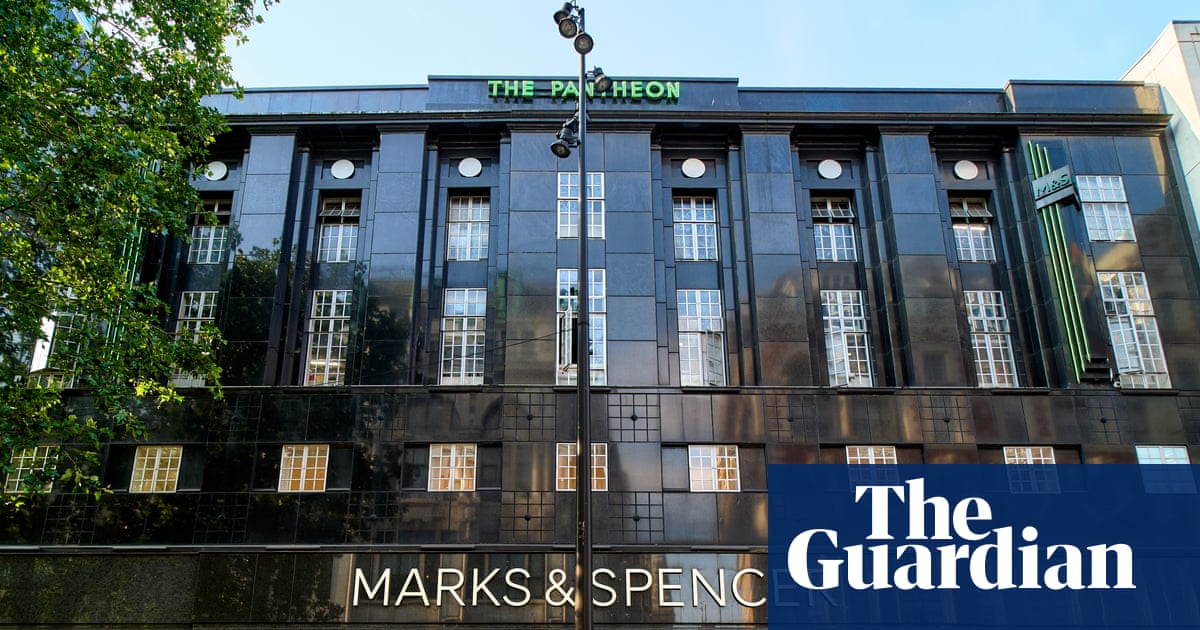
Marks & Spencer is unveiling a major revamp of its Oxford Street Pantheon store, serving as a blueprint for a £700m investment strategy aimed at modernizing its 200+ large stores and online experience.
Intelligence analysis by Gemini 2.5 Flash
M&S CEO Stuart Machin is driving a significant transformation, investing £700m to revitalize stores, upgrade supply chains, and improve products. This ambitious plan, highlighted by the new Pantheon store and the controversial Marble Arch rebuild, seeks to reposition M&S as a growth business, moving beyond past profit targets and addressing long-standing challenges in the competitive …
Imagine your favorite old toy store, but it's gotten a bit dusty and some of the toys are hard to find. Marks & Spencer, a big store in London, is like that old toy store. Its boss, Stuart, is spending lots of money, like £700 million, to give it a super cool makeover, starting with one special store. They're making it bright, easy to find things, and even building new, smaller food stores. It's like giving the whole toy store chain a fresh coat of paint and new, exciting games so more kids want to visit and buy their favorite things again!
Analysis
A Bold Blueprint for Retail Revival
Marks & Spencer is embarking on a significant modernization drive, exemplified by the lavish revamp of its Oxford Street Pantheon store. This flagship outlet is not merely an aesthetic upgrade but a strategic blueprint for the retailer's broader £700m investment plan. The initiative aims to overhaul more than 200 of M&S's large stores, alongside substantial improvements to its online presence and supply chain infrastructure. CEO Stuart Machin, described as an exacting and obsessive leader, views this as a critical period for the 142-year-old retail group, emphasizing the need to modernize a collection of 'legacy old stores' that, while profitable, no longer meet contemporary shopping expectations.
The investment extends beyond store aesthetics, encompassing product development and distribution systems. The goal is to create a more curated and inspiring shopping experience, with fashion floors broken into distinct 'rooms' and a renewed focus on making M&S a 'true shopping-list retailer' for food. This comprehensive approach signals a determined effort to regain market share and relevance in a fiercely competitive environment, where rivals like Primark, H&M, and Zara have long challenged M&S's position.
Navigating Past Hurdles and Future Ambitions
M&S's journey to modernization has not been without its challenges. The past year saw the retailer grapple with a cyber-attack that severely impacted online trading for nearly seven weeks, resulting in a profit hit exceeding £300m. Furthermore, the planned demolition and rebuild of its Marble Arch store, another key Oxford Street location, has sparked controversy over its potential environmental impact. This ambitious four-year project, which will reduce retail space in favor of offices and a gym, only secured planning permission after a legal challenge and government approval.
Historically, M&S has seen several predecessors attempt and fail to implement lasting turnaround strategies. The company only briefly regained its £1bn annual pre-tax profit milestone in 2008, a decade after first achieving it in 1998. These past struggles, coupled with broader economic headwinds like the global financial crisis, Brexit, and the pandemic, underscore the high stakes of Machin's current strategy. The success of this plan is crucial for M&S to break free from a cycle of short-lived revivals and establish sustainable growth.
Machin's Vision: Growth Over Profit Milestones
Under Stuart Machin's leadership, M&S is shifting its strategic focus from merely chasing past profit milestones to becoming a 'growth business.' While underlying profits fell to £671m last year, Machin explicitly stated that climbing back to £1bn is not the primary aim, asserting that 'Profit will be what it will be.' This reorientation prioritizes long-term investment in revitalizing the core business, modernizing its operations, and enhancing its product offerings.
The strategy involves a rationalization of its full-line store portfolio, with dozens of older outlets already closed and more planned, aiming for 180 full-line stores in the UK, down from 227. Conversely, the food arm is set for significant expansion, with 18 new food-only stores opening this year towards a target of 420 directly operated outlets. This dual approach—streamlining larger stores while expanding food presence—reflects a nuanced understanding of consumer behavior and market opportunities. Machin believes that while the food sector has seen progress, the fashion, home, and beauty categories are 'just at the starting blocks' of their transformation, indicating a long-term commitment to comprehensive change.
Key points
- M&S is investing £700m in a growth strategy, using its revamped Oxford Street Pantheon store as a blueprint for over 200 large stores.
- CEO Stuart Machin is leading the overhaul, focusing on modernizing store experience, online presence, supply chain, and products.
- The strategy includes closing dozens of older full-line stores to reach a target of 180 in the UK, while expanding its food-only store count to 420.
- The company faced a £300m profit hit from a cyber-attack last year and is proceeding with a controversial four-year rebuild of its Marble Arch store.
- Machin emphasizes a shift towards being a 'growth business' rather than solely targeting past £1bn profit milestones.
If M&S's £700m investment in store modernizations, supply chain improvements, and product enhancements proves successful, it could significantly boost sales and customer engagement. The strategic focus on growth, coupled with the expansion of its profitable food arm, could lead to a sustained turnaround and a stronger market position for the retailer.
Despite the ambitious plans, M&S faces the risk of its modernization efforts failing to resonate with consumers, similar to previous unsuccessful turnaround attempts. The lengthy and controversial Marble Arch rebuild, coupled with the significant investment, could tie up capital and attention without guaranteeing the desired returns, especially in a highly competitive retail environment.
Market signals
- MKS The article details a significant £700m investment and growth strategy, which, if successful, could positively impact the company's future performance and stock value.
AI-generated analysis of potential market relevance. Not financial advice.