Hidden Costs of the Iran War; From Damage to US Intelligence Network to Trump's Declining Popularity
A Wall Street Journal report reveals that Donald Trump ignored intelligence warnings before the Iran war, leading to significant hidden costs including extensive damage to US intelligence infrastructure, reduced oil reserves, and increased fuel prices. The conflict has al…
Intelligence analysis by Gemini 2.5 Flash
The article compiles reports from various US media outlets detailing the unforeseen and substantial consequences of the ongoing US-Iran conflict, now in its sixth month. It highlights how initial predictions of a swift victory were misguided, leading to significant military, intelligence, economic, and political repercussions for the United States, including a shift in strategy from m…
Imagine two big kids, America and Iran, are having a big argument that turned into a fight. America thought it would be a quick win, but it's been going on for months! It's like when you try to fix something quickly but end up breaking more things and spending all your allowance to fix them. Now, America's secret spy gadgets are broken, gas prices are going up for everyone, and people are getting tired of the fight, making the leader, Trump, less popular.
Analysis
Donald Trump's Miscalculations
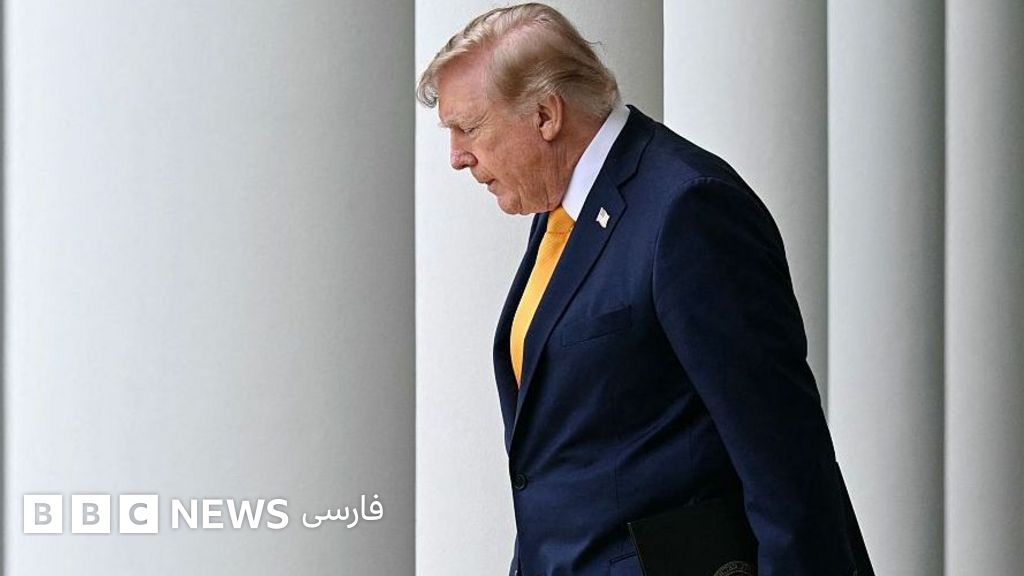
The Wall Street Journal's report highlights a critical failure in judgment by former President Donald Trump, who reportedly disregarded numerous warnings from his intelligence and military advisors before initiating military operations against Iran. Trump's conviction that Iran was in its weakest state in decades led him to overlook crucial intelligence, including a direct caution from Tulsi Gabbard, then Director of National Intelligence. Gabbard specifically warned that the elimination of Iran's Supreme Leader could inadvertently empower a more radical successor regime, potentially accelerating its pursuit of nuclear weapons. Furthermore, she accurately predicted Iran's potential to disrupt global energy markets by closing the Strait of Hormuz and to target US forces and allies across the Middle East. These ignored pre-war assessments, coupled with military commanders' concerns about escalating casualties and the depletion of US ammunition reserves, underscore a profound miscalculation regarding the conflict's potential scale, duration, and unforeseen repercussions. The article emphasizes that many of these dire predictions have now materialized, transforming what was envisioned as a swift, six-week campaign into a protracted conflict nearing its sixth month.
US Intelligence Infrastructure
NBC News has shed light on the severe and largely unpublicized damage sustained by critical US intelligence infrastructure in the Middle East, a direct consequence of Iranian missile and drone attacks. According to four informed sources, the destruction inflicted upon CIA facilities and other sophisticated intelligence-gathering equipment is unprecedented, surpassing any previous damage experienced by these agencies. The estimated cost for rebuilding and restoring these capabilities is projected to run into billions of dollars. The targeted sites included vital intelligence buildings, complex communication systems, and advanced surveillance technology, all crucial for monitoring Iran's activities and broader regional developments. This extensive damage has reportedly compromised Washington's technical and observational capacities, potentially hindering its ability to maintain continuous oversight of Iranian military movements and developments within the Persian Gulf, at least in the immediate future. Consequently, US officials are now compelled to undertake a comprehensive review of how sensitive forces and equipment are deployed across the region, indicating a significant setback in intelligence operations.
Midterm Elections
The ongoing conflict with Iran has evolved beyond a mere foreign policy concern, transforming into a potent domestic issue with significant implications for American families and the upcoming midterm congressional elections, as detailed by Politico. The war's economic fallout, particularly the surge in gasoline prices and the overall increase in living costs, has directly challenged former President Donald Trump's core promises regarding inflation control. This economic strain provides a powerful narrative for Democrats, who are actively seeking to hold the President and the Republican party accountable for the current economic hardships, especially in highly contested electoral districts. While a segment of Republicans continues to support military engagement, a growing number express apprehension that the prolonged nature of the war and the absence of a clear resolution could jeopardize the party's control over Congress. Public sentiment, as reflected in a Reuters/Ipsos poll, indicates a sharp decline in support for the war, plummeting to 31%, alongside a corresponding drop in Trump's approval rating to 33%. A significant majority of respondents, 83%, anticipate that the conflict will continue for an extended period, signaling widespread public fatigue and concern.
Key points
- Donald Trump ignored intelligence warnings about the Iran conflict, leading to unforeseen consequences.
- Iran's missile and drone attacks caused extensive, undisclosed damage to US intelligence infrastructure, costing billions to repair.
- The US has shifted its strategy from military attacks to economic sanctions and diplomatic pressure, while maintaining military readiness.
- The war has challenged Trump's 'power theory' and negatively impacted his political credibility and approval ratings.
- Rising fuel prices and living costs due to the war are significant issues for American families and the upcoming midterm elections.
- Support for the war has dropped to 31%, and Trump's approval rating is at 33%, with most expecting a prolonged conflict.
The shift in US strategy from military attacks to economic pressure, coupled with diplomatic efforts, could potentially lead to a negotiated settlement with Iran, reducing regional tensions and stabilizing global energy markets. The establishment of a limited oil passage in the Strait of Hormuz, even if at reduced capacity, offers a pathway for continued energy flow and de-escalation.
The prolonged conflict, coupled with significant damage to US intelligence capabilities and declining public support, risks further destabilizing the Middle East and eroding US credibility. The ongoing economic strain from rising fuel prices could exacerbate domestic political divisions and negatively impact the upcoming midterm elections for the ruling party.
Market signals
- OIL The war has reduced US oil reserves and increased fuel prices, indicating upward pressure on oil markets.
AI-generated analysis of potential market relevance. Not financial advice.