Iran seek to end Indian and Chinese Taipei kabaddi dominance
Iran's women's national kabaddi team is undergoing a significant generational change, with 78 percent new players, aiming to challenge the long-standing dominance of India and Chinese Taipei at the 2026 Asian Games.
Intelligence analysis by Gemini 2.5 Flash

The Iranian women's kabaddi squad is being rebuilt with a focus on younger, less experienced players, despite facing numerous challenges in their preparation, including international travel restrictions and difficulties securing friendly matches. The team's technical adviser acknowledges the ambition of aiming for gold but emphasizes building a competitive team to break the establishe…
Imagine a game like tag, but with teams trying to touch opponents and get back to their side. Iran's women's team is like a new group of players trying to get really good to beat the two best teams, India and Chinese Taipei, at a big tournament called the Asian Games. They're practicing hard, even though it's tough, to become champions.
Analysis
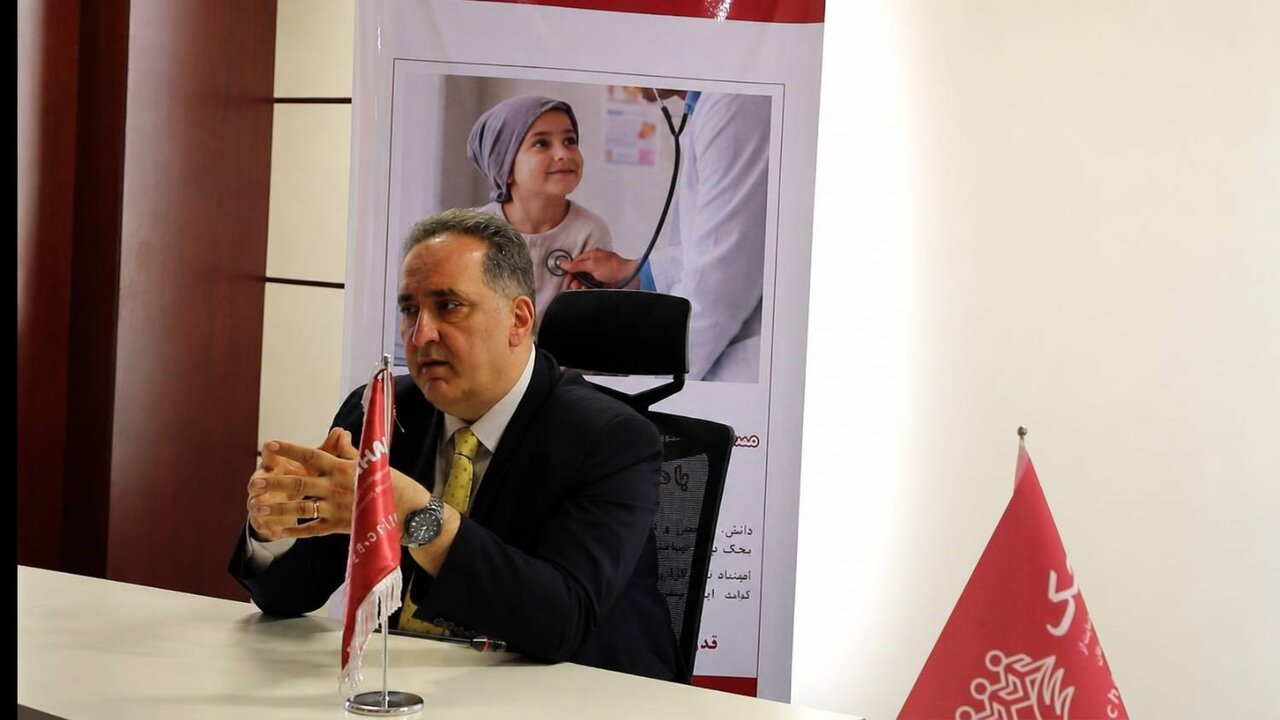
Gholamreza Mazandarani
According to Gholamreza Mazandarani, the technical adviser for Iran's women's national kabaddi team, the current squad represents a significant shift in strategy. His insights reveal a deliberate move to inject new blood into the team, acknowledging that this comes with both high motivation and a notable lack of international experience among the younger players.
Mazandarani's role has been crucial in navigating the complexities of preparing this revamped team. He has been instrumental in planning the team's training and competition schedule, despite encountering various external obstacles. His statements underscore the coaching staff's commitment to developing the players, even when faced with difficult circumstances that have impacted their initial plans for international exposure.
78 Percent
The statistic that 78 percent of the squad has changed this year is a clear indicator of the team's comprehensive rebuilding phase. This substantial turnover means that the majority of the players are new to the national team setup, bringing fresh energy but also a collective inexperience at the elite international level. This youth movement is a calculated risk, prioritizing long-term development over immediate, guaranteed success.
The high percentage of new players necessitates a strong focus on foundational training and rapid integration into competitive play. The coaching staff's challenge is to quickly bridge the experience gap, especially when facing established powerhouses like India and Chinese Taipei. This dramatic change reflects a strategic decision to cultivate a new generation capable of sustained performance, rather than relying on an aging core.
2026 Asian Games
The 2026 Asian Games serve as the primary target for this newly formed Iranian women's kabaddi team. While the technical adviser admits that declaring a gold medal as the immediate objective might be ambitious given the squad's inexperience, the overarching goal is to build a highly competitive team capable of challenging the traditional dominance of India and Chinese Taipei. These two nations have historically held the top positions in Asian women's kabaddi, benefiting from consistent domestic tournaments and extensive player experience.
Iran's participation in the 2026 Asian Games is not merely about attendance but about making a statement and laying the groundwork for future success. The team aims to disrupt the long-standing duopoly and fight for the best possible medal, signifying a determined effort to elevate Iran's standing in the sport. The tournament will be a critical test for the young squad, providing invaluable international exposure and a benchmark for their progress against the region's strongest competitors.
Key points
- Iran's women's national kabaddi team has undergone a major overhaul, with 78 percent of the squad being new players.
- The coaching staff aims to build a new generation of players to challenge India and Chinese Taipei's traditional dominance.
- Preparation for the 2026 Asian Games has faced significant challenges, including war-related disruptions and difficulties securing international friendly matches.
- Despite the inexperience, the team managed to participate in an international training camp, which was deemed highly valuable.
- The immediate objective is to build a competitive team capable of breaking the established duopoly and fighting for a medal at the Asian Games.
The significant influx of young, motivated players could rapidly gain invaluable international experience, potentially leading to unexpected strong performances at the Asian Games and establishing a robust foundation for future success in women's kabaddi. The coaching staff's determination to overcome preparation challenges could foster a resilient and cohesive team.
The team's considerable inexperience and the numerous obstacles faced during preparation, such as flight disruptions and difficulty securing friendly matches, might hinder their ability to effectively challenge the seasoned dominance of India and Chinese Taipei in the limited timeframe before the Asian Games.