MAHAK builds a broader ecosystem around pediatric cancer care
MAHAK, an Iranian non-profit, has developed a comprehensive ecosystem for pediatric cancer care, integrating medical treatment with extensive psychosocial and family support across Iran.
Intelligence analysis by Gemini 2.5 Flash
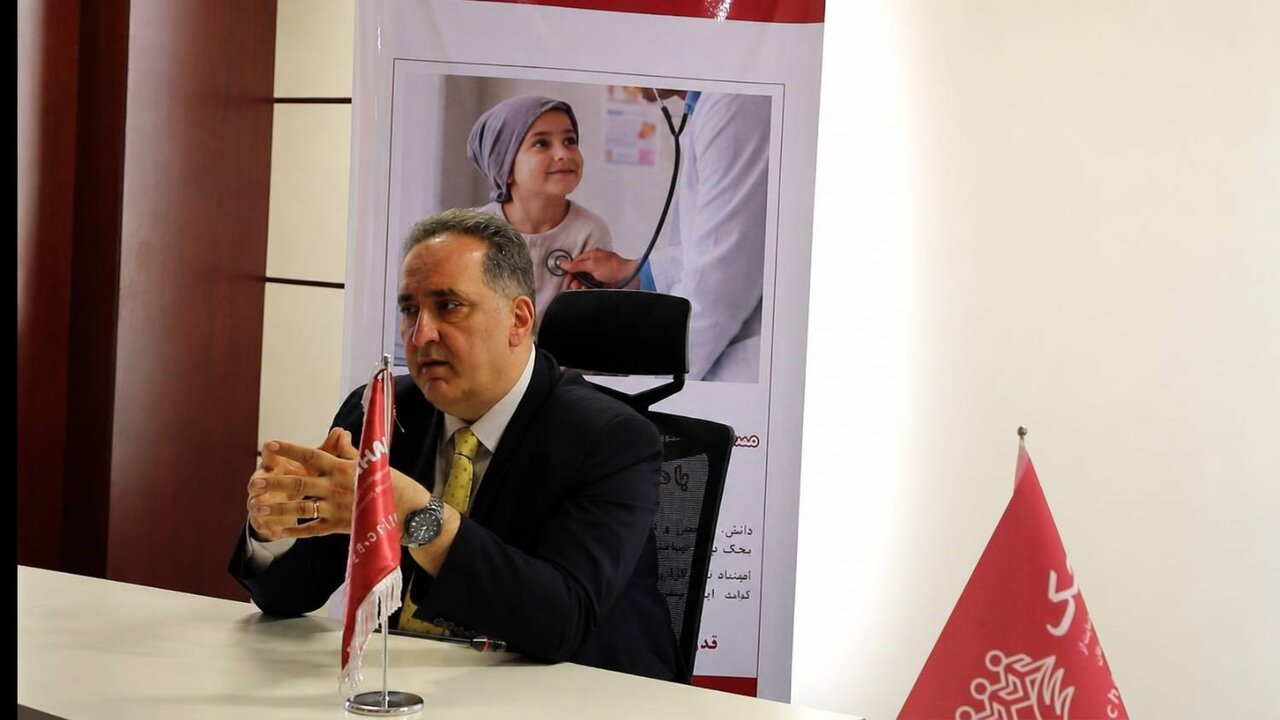
Established in 1991, MAHAK has evolved beyond basic charity to create an integrated model for childhood cancer care. It combines medical services, family assistance, public awareness, research, and international cooperation, emphasizing a patient- and family-centered approach to address the multidimensional challenges of the disease.
Imagine a special club called MAHAK that helps kids who get really sick with cancer. It's not just about giving them medicine, but also making sure they feel happy, can still play, and that their families get lots of help too. It's like a big, warm hug that takes care of everything, from doctors to making sure they don't miss out on being a kid.
Analysis
MAHAK, the Society to Support Children Suffering from Cancer, has established itself as a pivotal non-governmental organization in Iran since its founding in 1991. Its evolution from a charity focused on family support to a comprehensive ecosystem for pediatric cancer care underscores a strategic shift in addressing childhood cancer. The organization's integrated model, as detailed by CEO Arasb Ahmadian, combines medical treatment, psychosocial and family support, public awareness, research, advocacy, and international cooperation. This holistic approach is particularly relevant in the global fight against childhood cancer, demonstrating how a civil-society organization can significantly enhance care beyond traditional medical interventions.
MAHAK's Integrated Model
MAHAK's distinctive feature lies in its simultaneous address of both the medical and social dimensions of childhood cancer. Unlike many charities that might focus solely on fundraising or family assistance, MAHAK has developed an interconnected ecosystem. This includes direct financial support, advanced medical services through its specialized pediatric cancer hospital, extensive family assistance, public awareness campaigns, dedicated research, and professional collaborations. By 2025, MAHAK had provided comprehensive support to over 45,000 children and their families across Iran, showcasing the scale and impact of its patient- and family-centered approach. This model views childhood cancer not merely as a medical issue but as a complex social and healthcare challenge, aligning with broader international movements towards equitable access and improved quality of life for young patients.
Psychological and Social Support
A cornerstone of MAHAK's philosophy is the integration of psychological and social support directly into cancer care, rather than treating these as optional add-ons. The organization recognizes that a cancer diagnosis profoundly impacts a child's emotional well-being, family dynamics, education, and financial stability. Consequently, MAHAK extends psychological care not only to the children but also to parents and caregivers, acknowledging their crucial role in the treatment process and the child's experience. This multidisciplinary cooperation ensures that psychosocial services work in tandem with medical teams, providing support for treatment costs, medicines, transportation, and accommodation for families traveling for specialized care, thereby addressing the comprehensive needs of the patient and their support network.
Preserving Childhood
MAHAK's approach is deeply rooted in the understanding that children with cancer are, first and foremost, children. The organization places significant emphasis on preserving opportunities for children to experience normal childhood emotions and activities, despite the arduous nature of their illness and treatment. This involves creating positive memories and fostering an environment where a child's experience is not exclusively defined by pain and medical procedures. This perspective is consistent with the broader international understanding of psychosocial pediatric oncology, which prioritizes quality of life and emotional well-being alongside medical outcomes. By focusing on the child's holistic development and emotional health, MAHAK aims to mitigate the long-term psychological impact of cancer, ensuring that their journey through illness is as humane and supportive as possible.
Key points
- MAHAK, established in 1991, is an Iranian non-governmental organization supporting children with cancer.
- It has developed an integrated model combining medical treatment, psychosocial support, public awareness, research, and international cooperation.
- By 2025, MAHAK had provided comprehensive support to over 45,000 children and their families across Iran.
- The organization emphasizes patient- and family-centered care, extending psychological and social support to caregivers.
- MAHAK also focuses on preserving the child's quality of life and opportunities for normal childhood experiences despite illness.
MAHAK's integrated model could serve as a blueprint for other developing nations seeking to establish comprehensive pediatric cancer care, fostering international cooperation and knowledge sharing. Its success in improving recovery rates and quality of life for thousands of children suggests a sustainable path for civil society organizations to address complex healthcare challenges.
Despite its achievements, MAHAK's reliance solely on public donations could pose a vulnerability, potentially limiting its long-term stability or ability to scale services to meet the vast and ongoing needs across Iran. Sustaining such a comprehensive ecosystem requires consistent funding, which can be challenging for non-profit organizations.