High Temperatures: After the Heat Comes Storms with Heavy Rain
Germany is experiencing severe weather, with thunderstorms, heavy rain, hail, and strong winds causing damage. This follows a period of intense heat, with temperatures expected to rise again to up to 38 degrees Celsius.
Intelligence analysis by Gemini 2.5 Flash Lite
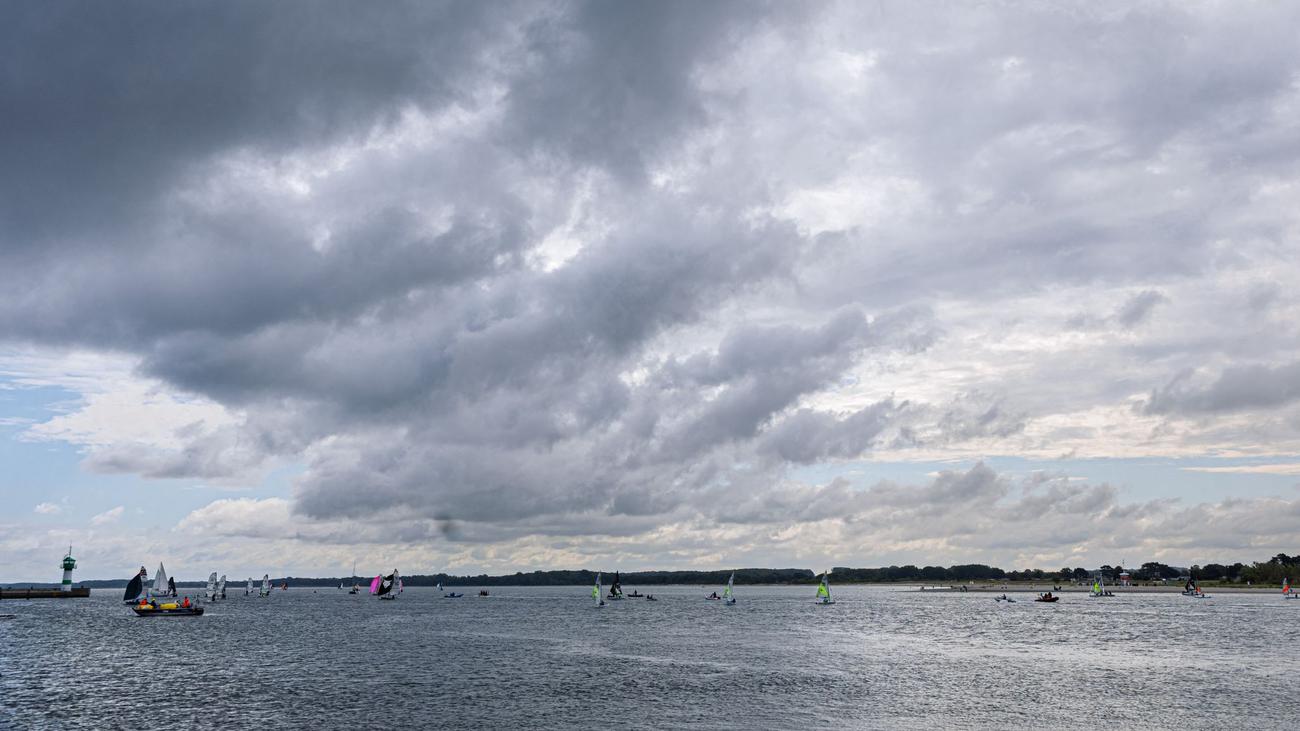
Following a sweltering heatwave, Germany is now facing severe thunderstorms with heavy rain, hail, and gale-force winds. Some regions have already been devastated by "supercells," with one area in Thuringia potentially hit by a tornado. The storms are expected to move across the country, while temperatures are forecast to climb again to dangerous levels.
Imagine the weather is like a grumpy giant. First, it makes everything super hot, like an oven. Then, suddenly, it throws a big tantrum with loud thunder, heavy rain, and strong winds that can knock things over. And after the tantrum, it gets hot again! This is happening in Germany, causing problems like broken trees and power outages.
Analysis
Shifting Weather Patterns
The article details a dramatic shift in German weather, moving from oppressive heat to severe thunderstorms. This pattern of extremes is becoming increasingly common, posing significant challenges for infrastructure and emergency services. The description of a "supercell" in Thuringia, potentially a tornado, underscores the intensity of these events. The German Weather Service (DWD) is investigating the possibility of a tornado, indicating the severity of the meteorological phenomena occurring. The widespread damage, including overturned trees, damaged power lines, and disrupted train services, illustrates the immediate impact on daily life and the economy.
Regional Impacts and Infrastructure Strain
The storms are not confined to one area, with initial impacts in the north and east, and a forecast for strong thunderstorms in the west and southwest. Specific incidents, such as a tree falling on a car in Hamburg injuring seven people, and significant damage in the Weimarer Land region, including a destroyed playground and a partially collapsed riding arena roof, demonstrate the localized but severe nature of the damage. In North Rhine-Westphalia, train lines were blocked by fallen trees, causing lengthy delays and passenger disruptions. The interruption of power supply in the Weimarer Land further highlights the vulnerability of essential services during such events.
Looming Heat and Future Concerns
Adding to the concern, the DWD predicts another surge of heat, with temperatures potentially reaching up to 38 degrees Celsius, and even 39 degrees in some areas, before the next round of storms. This cycle of extreme heat followed by violent storms creates a dual threat. The article implicitly points to the broader implications of climate change, where such volatile weather patterns are expected to become more frequent and intense, requiring greater resilience and adaptation strategies across Germany.
Key points
- Germany is experiencing severe thunderstorms with heavy rain, hail, and strong winds following a heatwave.
- A "supercell" caused significant damage in Thuringia, with a potential tornado being investigated.
- Incidents include a tree falling on a car in Hamburg and disruptions to train services in North Rhine-Westphalia.
- Temperatures are expected to rise again to as high as 38 degrees Celsius in many regions.
- The extreme weather highlights the growing impact of climate change on Germany.
The DWD's accurate forecasting and swift response from emergency services can help mitigate the worst impacts of these extreme weather events. Public awareness campaigns can also encourage preparedness, leading to fewer injuries and less property damage when storms and heatwaves strike.
The increasing frequency and intensity of such extreme weather events could overwhelm emergency services and infrastructure, leading to prolonged disruptions, significant economic losses, and a greater risk to public safety. The cycle of heat followed by severe storms may also exacerbate existing vulnerabilities, such as drought conditions followed by flash floods.