High-wire diplomacy delivered US-Iran deal but hardest stage lies ahead, sources say
A preliminary US-Iran deal was reached after weeks of high-wire diplomacy, but turning it into a permanent agreement will be harder. The two sides have 60 days to reach a final settlement on complex subjects including Iran's nuclear programme.
Intelligence analysis by Llama 3.3 70B
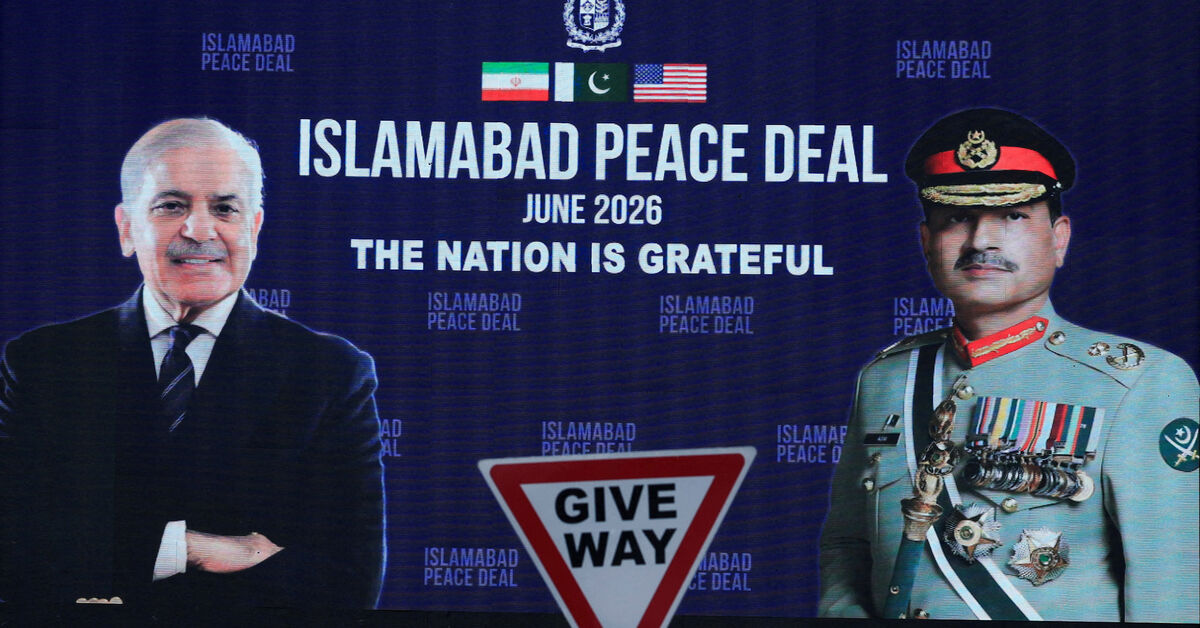
Pakistani mediators played a key role in securing the interim deal, with Qatar's involvement helping to overcome roadblocks. However, achieving a final settlement will require addressing issues like sanctions relief and nuclear programme restrictions.
Imagine two countries that haven't been getting along, and they need to make a deal. It's like trying to get two kids to share a toy, but instead of a toy, it's about important things like oil and nuclear power. Some other countries, like Pakistan and Qatar, helped them talk and make a preliminary deal. Now they have to work out the harder parts, like how to make sure everyone follows the rules.
Analysis
The Road to a Preliminary Deal
The US-Iran deal was the result of weeks of intense diplomacy, with Pakistani mediators playing a crucial role in bringing the two sides together. The process was marked by countless roadblocks, including proposed tolls in the Strait of Hormuz and the war in Lebanon. However, the involvement of Qatar helped to overcome these obstacles, with the Qatari delegation providing financial assurances to the Iranian leadership.
The negotiations were often fraught, with disagreements over single words and phrases. For example, a 45-minute debate took place in late May over whether the text should use 'etc.' or 'including'. Despite these challenges, the two sides were able to reach a preliminary agreement, which was announced by Pakistani Prime Minister Shehbaz Sharif on Monday.
The Challenges Ahead
Achieving a final settlement on issues like sanctions relief and nuclear programme restrictions will be even more challenging. The US and Iran have different interpretations of the same text, with Iran seeking to turn ambiguity into leverage and the US trying to preserve pressure until nuclear concessions are secured. Mediation will remain central to the process, but it will be difficult.
The Role of Qatar and Pakistan
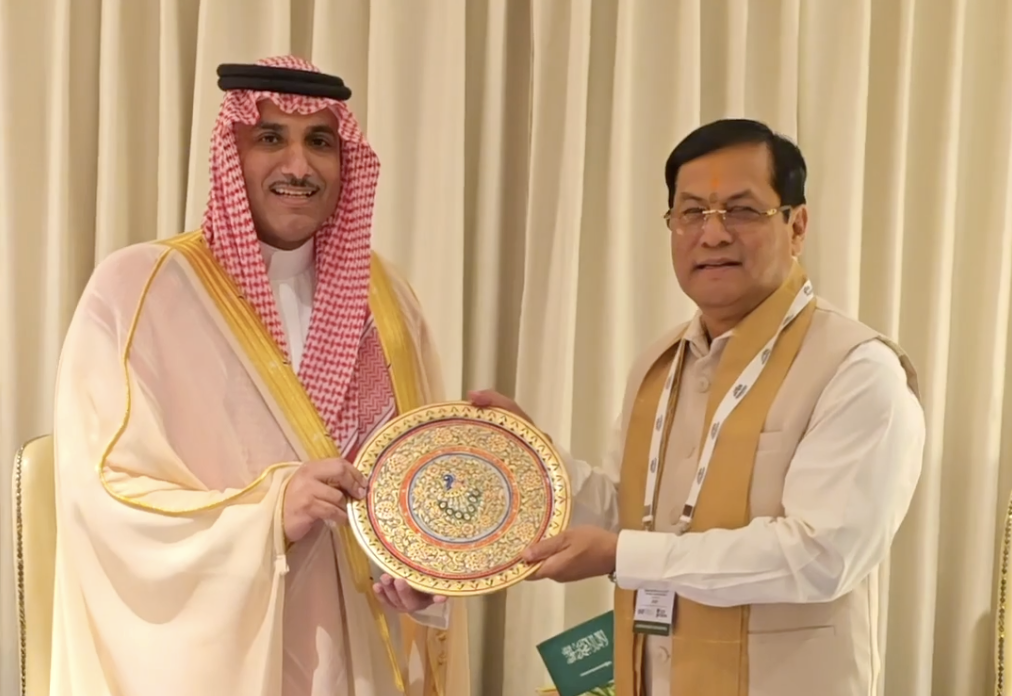
Qatar's involvement in the negotiations was crucial, with the Qatari delegation providing financial assurances to the Iranian leadership. Pakistan also played a key role, with Prime Minister Shehbaz Sharif announcing the preliminary agreement. The two countries' foreign ministries and Iran's permanent mission to the United Nations did not immediately respond to a request for comment.
The White House also did not respond, but it is clear that the US-Iran deal has significant implications for the Middle East. The agreement has the potential to reduce tensions in the region, particularly regarding the Strait of Hormuz. However, achieving a final settlement will require careful negotiation and mediation, with all parties working together to address the complex issues at hand.
Key points
- A preliminary US-Iran deal was reached after weeks of high-wire diplomacy
- The deal has significant implications for the Middle East, particularly regarding the Strait of Hormuz
- Achieving a final settlement will require addressing issues like sanctions relief and nuclear programme restrictions
- Qatar's involvement in the negotiations was crucial, with the Qatari delegation providing financial assurances to the Iranian leadership
- Pakistan also played a key role, with Prime Minister Shehbaz Sharif announcing the preliminary agreement
If the US-Iran deal is successful, it could lead to a reduction in tensions in the Middle East and increased stability in the region. This could have positive implications for global oil prices and trade, as well as for the people living in the region. Additionally, a successful deal could pave the way for further diplomatic efforts and cooperation between the US and Iran.
However, there are also risks that the deal could fall apart, particularly if the US and Iran are unable to agree on key issues like sanctions relief and nuclear programme restrictions. If the deal fails, it could lead to increased tensions and conflict in the region, which could have negative implications for global oil prices and trade. Additionally, a failed deal could damage the reputation of the countries involved and make it harder to achieve diplomatic solutions in the future.