Hongkongers can use either ID or home return permit at revamped Huanggang Port
Hongkongers will soon be able to use either their identity card or home return permit for clearance at the revamped Huanggang Port, simplifying cross-border travel. This new "joint clearance" model, announced by Security Secretary Chris Tang, aims to streamline the proces…
Intelligence analysis by Gemini 2.5 Flash
The revamped Huanggang Port, a key border crossing between Hong Kong and mainland China, is set to open next month with a new "joint clearance" system. This initiative allows Hongkongers to use just one document – either their ID card or home return permit – for both departure and arrival procedures, significantly easing travel compared to the previous requirement of presenting both.
Imagine going on a trip to a neighboring town, but usually you need two special tickets to get in and out. Now, a big new gate is opening, and you only need one ticket – either your ID card or another special pass – to go through. This makes it much faster and easier for lots of people to cross every day, like a super-fast lane at an amusement park!
Analysis
Huanggang Port
The Huanggang Port is undergoing a significant transformation, poised to become a more efficient and user-friendly border crossing between Hong Kong and mainland China. This revamp introduces a "joint clearance" model, a notable departure from traditional border procedures where travelers typically undergo separate departure and arrival checks. Under this new system, passengers will only need to complete their clearance at a single checkpoint, presenting just one travel document. This integration is designed to drastically reduce processing times and enhance the overall travel experience for the estimated 200,000 daily passenger trips the port is expected to handle. The implementation of this streamlined process is a key step in facilitating greater connectivity and movement between Hong Kong and the mainland. By simplifying the administrative burden on travelers, the port aims to accommodate a higher volume of passengers more smoothly, supporting economic and social exchanges. The upcoming opening of the port, anticipated next month, marks a crucial milestone in regional infrastructure development and cross-border integration efforts.
Chris Tang Ping-keung
The announcement of the new clearance arrangements came directly from Secretary for Security Chris Tang Ping-keung, highlighting the official backing and strategic importance of this initiative. Tang revealed the agreement with mainland Chinese authorities following a massive drill involving over 20,000 civil servants. This extensive exercise was conducted to simulate peak stress conditions on the port's capacity, ensuring that the new systems and procedures are robust enough to handle high passenger volumes efficiently upon opening. Tang's statement underscored the flexibility offered to Hongkongers, who can now choose to present either their Hong Kong identity card or their home return permit when using e-channels for entry into the mainland or return to Hong Kong. This choice provides convenience and reduces the previous requirement of presenting both documents, reflecting a more user-centric approach to border control. The involvement of such a large-scale drill demonstrates a thorough preparation phase to guarantee operational readiness and security.
20,000 Civil Servants
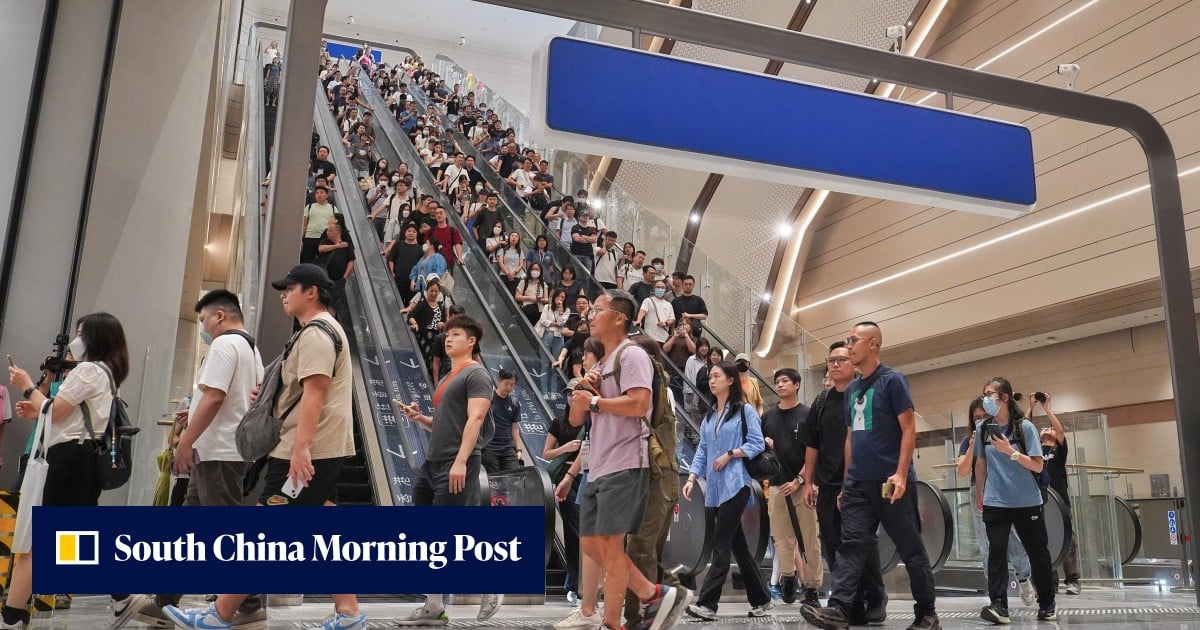
The scale of the preparatory drill at Huanggang Port was unprecedented, involving more than 20,000 civil servants. This massive simulation was designed to rigorously test the new "joint clearance" model and the port's infrastructure under conditions mimicking peak passenger traffic. The participation of such a large number of personnel indicates the complexity of integrating the new system and the commitment of both Hong Kong and mainland authorities to ensure a seamless transition. The drill served as a critical operational stress test, identifying potential bottlenecks and refining procedures before the official opening. The successful execution of this large-scale exercise is crucial for building confidence in the port's ability to manage its projected capacity of 200,000 passenger trips per day. It signifies a collaborative effort between the two jurisdictions to enhance efficiency and security at a vital cross-border facility. The insights gained from this drill will undoubtedly contribute to the smooth functioning of the revamped Huanggang Port, ultimately benefiting the millions of travelers who will utilize its services.
Key points
- Hongkongers can now use either their identity card or home return permit at the revamped Huanggang Port.
- The new "joint clearance" model allows passengers to complete both departure and arrival procedures at a single checkpoint.
- The port is expected to handle 200,000 passenger trips per day.
- Security Secretary Chris Tang announced the measure after a large drill involving over 20,000 civil servants.
- The revamped Huanggang Port is anticipated to open next month.
The streamlined "joint clearance" model at Huanggang Port is expected to significantly reduce travel times and enhance convenience for Hongkongers crossing the border. This efficiency boost could foster greater economic and social interaction between Hong Kong and mainland China, facilitating business, tourism, and family visits.
While the new system aims for efficiency, any unforeseen technical glitches or initial operational challenges could lead to delays and frustration for travelers. The high projected daily passenger volume of 200,000 also presents a continuous challenge for maintaining smooth operations and security.