Houthis strike Marib again as UN warns Yemen nearing wider conflict
Yemen's Iran-aligned Houthis launched ballistic missiles and drones at Marib, killing two and wounding 14, prompting a military response from government forces.
Intelligence analysis by Gemini 2.5 Flash
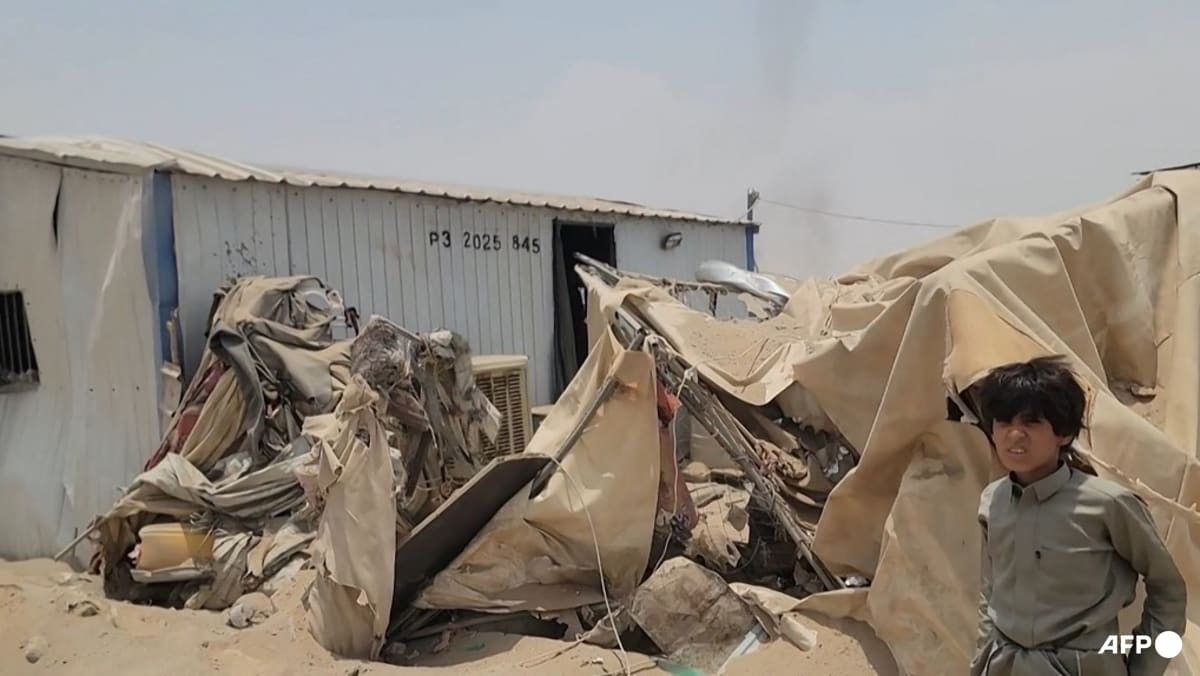
The recent Houthi attacks on displacement camps and residential areas in Marib, followed by retaliatory actions from Yemen's army, mark a significant escalation in hostilities. This resurgence of large-scale fighting, after years of relative calm, raises international concerns about Yemen being drawn into a wider regional conflict, especially amid broader tensions involving Iran and i…
Imagine two big groups in a country called Yemen have been fighting, but things got a bit quieter for a while. Now, one group, the Houthis, has started attacking a city called Marib again with rockets and drones, hurting people. The other group, the army, is fighting back. Grown-ups at the United Nations are very worried because this fighting could get much bigger, like a small fire turning into a huge blaze, and it might even affect ships carrying goods across the ocean, which could make things more expensive for everyone.
Analysis
Marib
Recent Houthi attacks targeted displacement camps and residential neighborhoods in the city of Marib, resulting in two fatalities and 14 injuries, according to state news agency SABA. These strikes, involving ballistic missiles and drones, represent a sharp escalation against Yemen's internationally recognized government forces. The Yemeni army responded on multiple fronts, vowing further military measures against any targeting of its units, signaling a potential return to the large-scale conflict that had largely subsided for years.
Marib holds strategic importance as a government stronghold and a key oil-rich province. The renewed focus on this area by Houthi forces suggests an attempt to gain significant ground or leverage in the ongoing conflict. The intensity and nature of these attacks, including the use of advanced weaponry like ballistic missiles and drones, underscore the Houthis' continued military capabilities and their willingness to employ them against civilian and military targets, exacerbating the humanitarian crisis in the region.
UN Special Envoy Hans Grundberg
UN Special Envoy for Yemen, Hans Grundberg, issued a stark warning on Friday, stating that the latest attacks in Marib and Hadramawt, coupled with renewed assaults on commercial shipping in the Red Sea and Gulf of Aden, place Yemen at its highest risk of renewed large-scale conflict since the April 2022 UN-brokered truce. Grundberg urged all parties to exercise maximum restraint and engage in UN-led negotiations to de-escalate the situation. His warning highlights the fragility of the peace efforts and the potential for the current violence to unravel years of diplomatic work.
Grundberg's concerns are echoed by the UN Security Council, which also expressed alarm at the heightened tensions. The Council emphasized that recent actions threaten regional security, navigational rights, and freedoms, risking further escalation and undermining peace efforts. They specifically urged the Houthis to refrain from further escalation and encouraged the use of existing dialogue channels to reduce tensions, underscoring the international community's apprehension about the conflict's broader implications.
Red Sea
The renewed attacks on commercial shipping in the Red Sea and Gulf of Aden are a critical component of the escalating crisis, directly linking the Yemeni conflict to wider regional and global concerns. These maritime assaults, alongside the land-based strikes, contribute to the UN's assessment that Yemen is nearing a wider confrontation. A senior Saudi official claimed that Riyadh anticipates imminent coordinated attacks from Yemen's Houthis and Iraqi militias, supervised by Iran's Islamic Revolutionary Guard Corps, further indicating the regional dimension of the conflict.
These maritime threats have significant implications for international trade and energy security, as the Red Sea is a vital waterway for global shipping. Disruptions in this area can lead to increased shipping costs, longer transit times, and potential supply chain issues, impacting economies worldwide. The UN Security Council's concern over navigational rights and freedoms underscores the global community's vested interest in maintaining stability in this crucial maritime corridor and preventing the Yemeni conflict from spilling over into a full-blown regional crisis.
Key points
- Iran-aligned Houthis launched ballistic missiles and drones at Marib, killing two and wounding 14.
- Yemen's army responded to the Houthi attacks, vowing further military measures.
- The escalation marks a sharp increase in hostilities after years of subsided large-scale fighting.
- UN Special Envoy Hans Grundberg warned Yemen is at its greatest risk of renewed large-scale conflict since the April 2022 truce.
- Renewed attacks on commercial shipping in the Red Sea and Gulf of Aden contribute to the risk of wider regional confrontation.
- The UN Security Council expressed concern, urging Houthis to de-escalate and engage in dialogue.
Despite the current escalation, the UN Special Envoy's call for maximum restraint and engagement in UN-led negotiations could lead to a de-escalation. Successful diplomatic efforts could revive the 2022 truce, preventing Yemen from being drawn into a wider regional conflict and alleviating the humanitarian crisis.
The current escalation risks drawing Yemen deeper into a wider regional confrontation, potentially involving other regional powers and militias. This could lead to a worsening humanitarian crisis, increased casualties, significant disruptions to global shipping lanes in the Red Sea, and a surge in global energy prices.
Market signals
- OIL Escalation in Yemen and renewed attacks on Red Sea shipping routes increase supply-route risks, pushing oil prices higher.
- XAU Increased regional instability and conflict warnings drive safe-haven demand for gold among investors.
AI-generated analysis of potential market relevance. Not financial advice.