How a 90-second power outage sparked chaos for train commuters
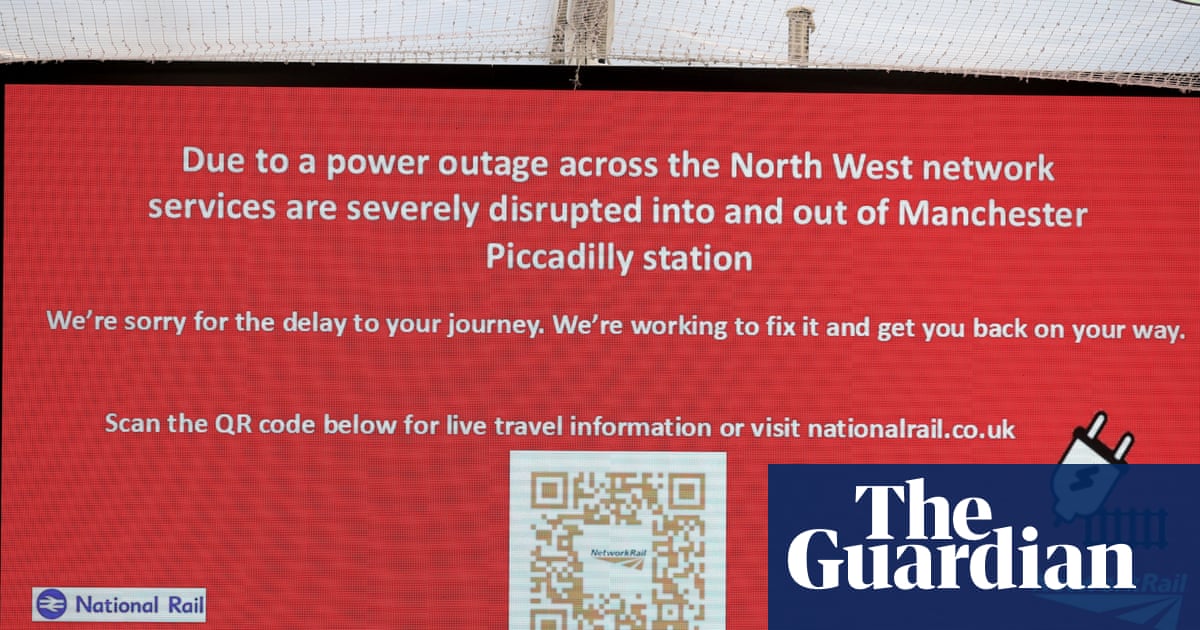
A 90-second power outage at Network Rail's operations centre in Manchester caused widespread disruption to train services, raising questions about the resilience of the rail network.
Intelligence analysis by Llama
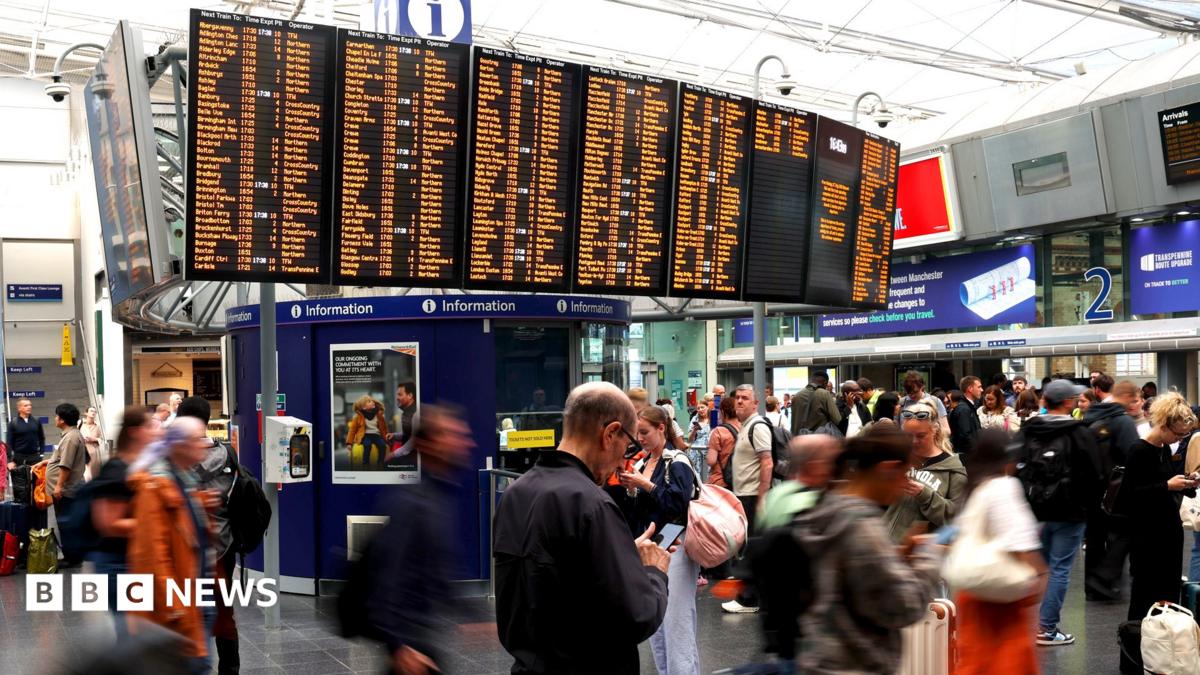
A power outage at Network Rail's Manchester operations centre caused chaos for train commuters, with trains forced to stop and systems rebooted. The incident has raised questions about the resilience of the rail network and the impact of centralising control of the network.
Imagine a big traffic light system that controls all the trains in the country. If one of the traffic lights goes out, it can cause a big problem and make it hard for trains to run on time. That's what happened when a power outage caused a 90-second problem at a big control centre in Manchester. It made it hard for trains to run and caused a lot of disruption for passengers.
Analysis
Power Outage Causes Chaos for Train Commuters
A 90-second power outage at Network Rail's operations centre in Manchester caused widespread disruption to train services, leaving thousands of passengers stranded. The incident has raised questions about the resilience of the rail network and the impact of centralising control of the network.
Network Rail's operating centres are responsible for controlling the flow of trains across the country, with Manchester's centre responsible for large parts of the North West. The power outage, which was resolved within 90 seconds, affected the centre's ability to control signalling, causing trains to stop and systems to be rebooted.
The incident has sparked concerns about the impact of centralising control of the network, with experts warning that if one centre is badly affected, the impact is much broader. Rail writer Christian Wolmar said that the problem they have created is that 'if one thing goes wrong, it can wipe out, as we saw, quite a lot of the network'.
Network Rail has apologised to customers and opened an investigation into the incident. Bosses say engineers have been working hard to 'build additional resilience into our signalling systems to ensure that this doesn't happen again'.
The incident has also raised questions about the funding pressures and job cuts that Network Rail has faced. Rail engineer and writer Gareth Dennis said that it raised questions including: 'Are their staff suitably resourced? Are there enough staff to be ensuring that things like those checks of that supply are happening?'
Network Rail gets five-year funding settlements, signed off by the government. The latest one started in 2024, with the government committing £44.1bn for the 2024-29 period of the strategic business plan, a £3bn increase from the previous five years.
The government's current rail policy centres around nationalising the passenger rail operators who weren't already in public control, then bringing the running of train services and the infrastructure under a new organisation called Great British Railways. Network Rail is expected to be abolished as a separate entity.
Key points
- A 90-second power outage at Network Rail's operations centre in Manchester caused widespread disruption to train services.
- The incident has raised questions about the resilience of the rail network and the impact of centralising control of the network.
- Network Rail has apologised to customers and opened an investigation into the incident.
- Bosses say engineers have been working hard to 'build additional resilience into our signalling systems to ensure that this doesn't happen again'.
- The incident has also raised questions about the funding pressures and job cuts that Network Rail has faced.
Network Rail has promised to work hard to 'build additional resilience into our signalling systems to ensure that this doesn't happen again'. This could lead to improved reliability and fewer disruptions for passengers in the future.
The incident highlights the potential risks of centralising control of the rail network and the importance of ensuring that systems are resilient to power outages. If Network Rail is unable to address these issues, it could lead to further disruptions and a loss of confidence in the rail network.