How Iowa woman Angela Prichard helped police solve her own murder
A CBS 48 Hours report says Angela Prichard named her husband in a 911 call before she died, helping investigators build a murder case that ended in his life sentence.
Intelligence analysis by GPT-5.4 Mini
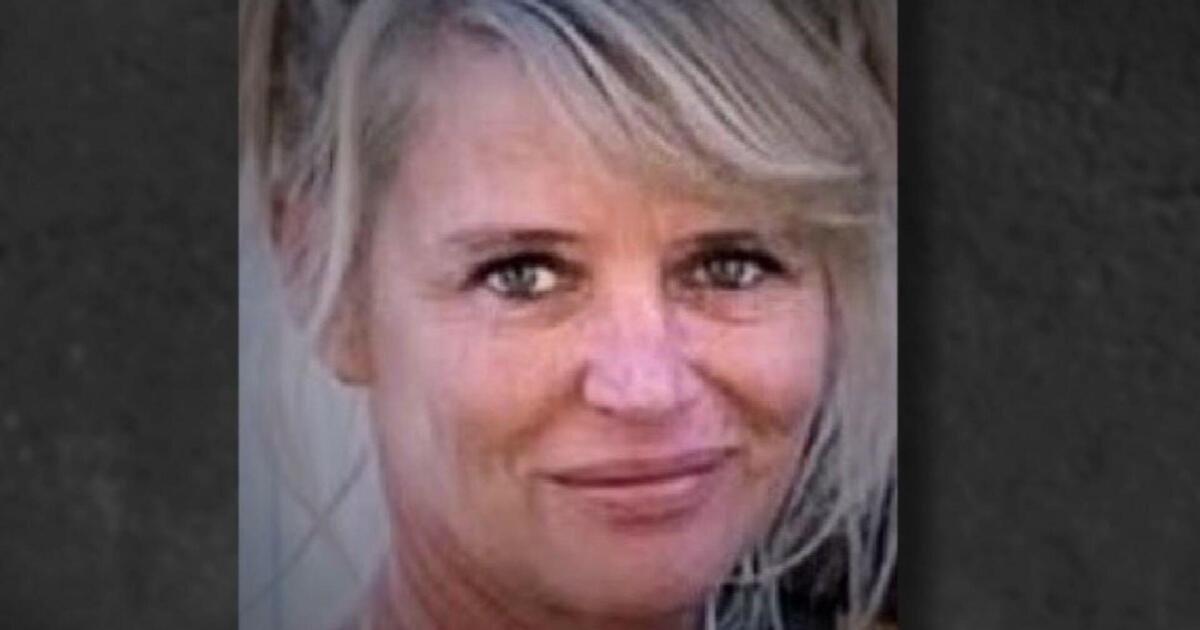
The story follows the killing of Angela Prichard in Bellevue, Iowa, the 911 call that pointed investigators to her estranged husband, and the evidence trail that led to his conviction. It also revisits warnings from her family that repeated abuse and weak enforcement left her exposed.
Angela Prichard left clues like pieces of a puzzle before she died. She called 911, said her husband’s name, and kept notes about the scary things happening to her. Police used those clues to figure out who did it, like following a trail of breadcrumbs.
Analysis
What happened
On October 8, 2022, Angela Prichard was shot at the kennel she ran in Bellevue, Iowa. In her final moments, she called 911 and identified her estranged husband, Chris Prichard, which gave investigators their first major lead.
How investigators built the case
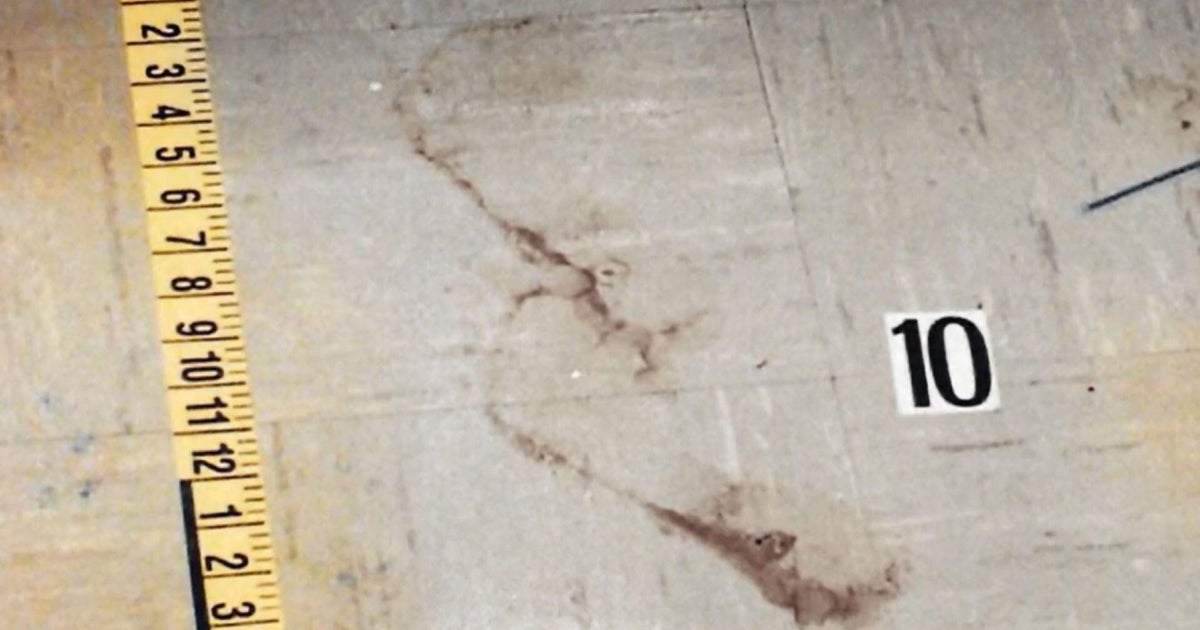
Special agents with Iowa’s Department of Criminal Investigation said the scene pointed to someone who knew Angela well. They found blood evidence, reviewed surveillance video, and traced what they believed was Chris Prichard’s path into and out of the kennels. The report says investigators believed he arrived hours before Angela and waited for her.
The article also describes a long history of conflict: prior violence, a domestic assault arrest, restraining-order violations, alleged stalking, and sticky notes Angela used to document her fear. Her family says she repeatedly told them she was scared and had tried to leave him.
Trial and outcome
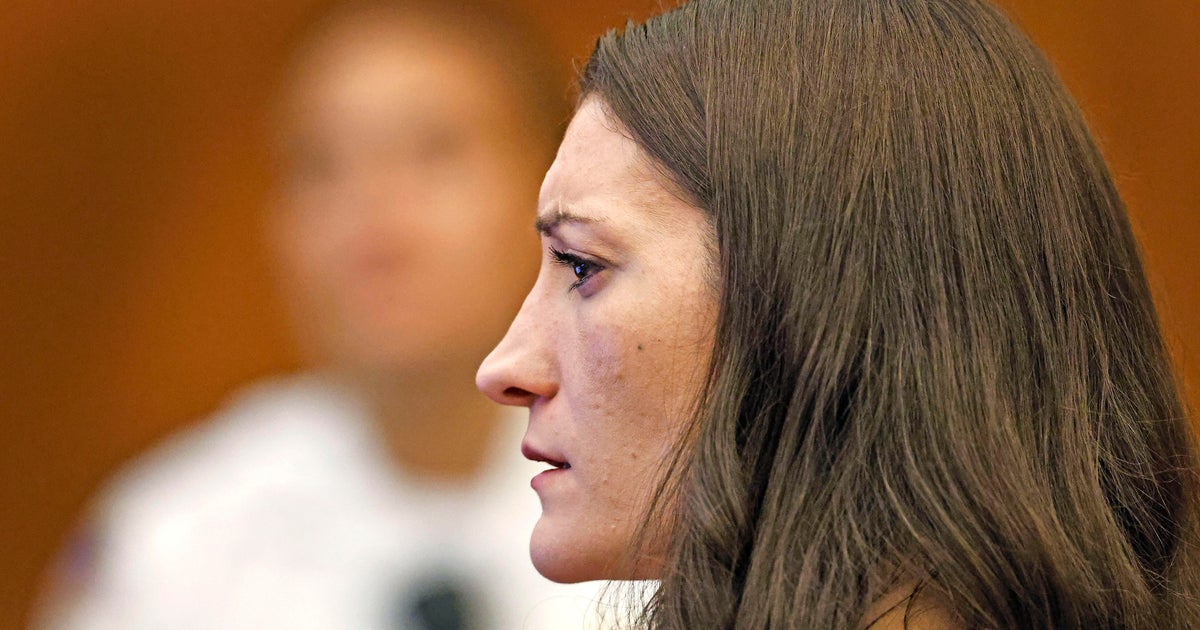
Prichard told investigators the shooting was accidental, but prosecutors argued he planned the killing and tried to cover his tracks by using a borrowed truck and leaving a note that suggested he was going hunting. A jury found him guilty of first-degree murder and robbery. He was later sentenced to life in prison without parole.
Broader question
The article also says Angela’s family sued Bellevue police, arguing officers failed to enforce protection orders and let the danger grow. A federal judge dismissed the lawsuit, but the family has appealed. The story leaves open a painful question: whether stronger enforcement could have saved her life.
Key points
- Angela Prichard was shot at her Bellevue, Iowa, kennel on October 8, 2022, and named her husband in a 911 call before dying.
- Investigators say surveillance, blood evidence, and Prichard’s history with Angela helped build the case against him.
- Angela’s family says she documented escalating abuse, stalking, and fear on sticky notes and had tried to leave him.
- Chris Prichard was convicted of first-degree murder and robbery and sentenced to life in prison without parole.
- The family also sued Bellevue police over alleged failures to enforce protection orders, but a federal judge dismissed the case.
Angela’s own call and records helped investigators and prosecutors build a strong case, leading to a murder conviction and life sentence. Her family says the outcome brings some relief and may help push police departments to take protection orders more seriously.
The article shows how repeated warnings and reported violations did not stop the violence before Angela was killed. The dismissal of the family’s lawsuit also suggests that proving police failure in court remains difficult, even after a fatal outcome.