How the US could squeeze Iran with economic isolation – and the risks involved
The US Treasury is exploring new economic pressures on Iran, including targeting Chinese banks and shadow fleets, to further isolate Tehran. This strategy risks worsening US-China tensions and increasing global oil prices.
Intelligence analysis by Gemini 2.5 Flash
The Trump administration's Treasury Department is considering unprecedented economic measures against Iran, focusing on disrupting its oil trade with China. While aiming to cut Iran's revenues, these actions could lead to significant economic blowback for the US and escalate diplomatic friction with Beijing, particularly ahead of a planned presidential meeting.
Imagine a big country, the US, wants to stop another country, Iran, from selling its oil to make money. Most of Iran's oil goes to China. The US is thinking about telling Chinese banks and companies that help Iran sell oil that they will be in trouble too. This is like telling your friend not to help another friend who's in trouble, or else you'll be mad at them. But if the US does this, it could make China upset and also make the price of gas go up for everyone, like when there's less candy in the store, it costs more.
Analysis
The United States Treasury Department, under Secretary Scott Bessent, is reportedly exploring intensified economic measures to further isolate Iran, despite the country already facing extensive sanctions and a naval blockade. The proposed strategy aims to target remaining pressure points, primarily focusing on entities facilitating Iran's oil exports, which are overwhelmingly purchased by China. This approach, however, carries significant risks of economic blowback for the US and could exacerbate geopolitical tensions.
Scott Bessent's Strategy
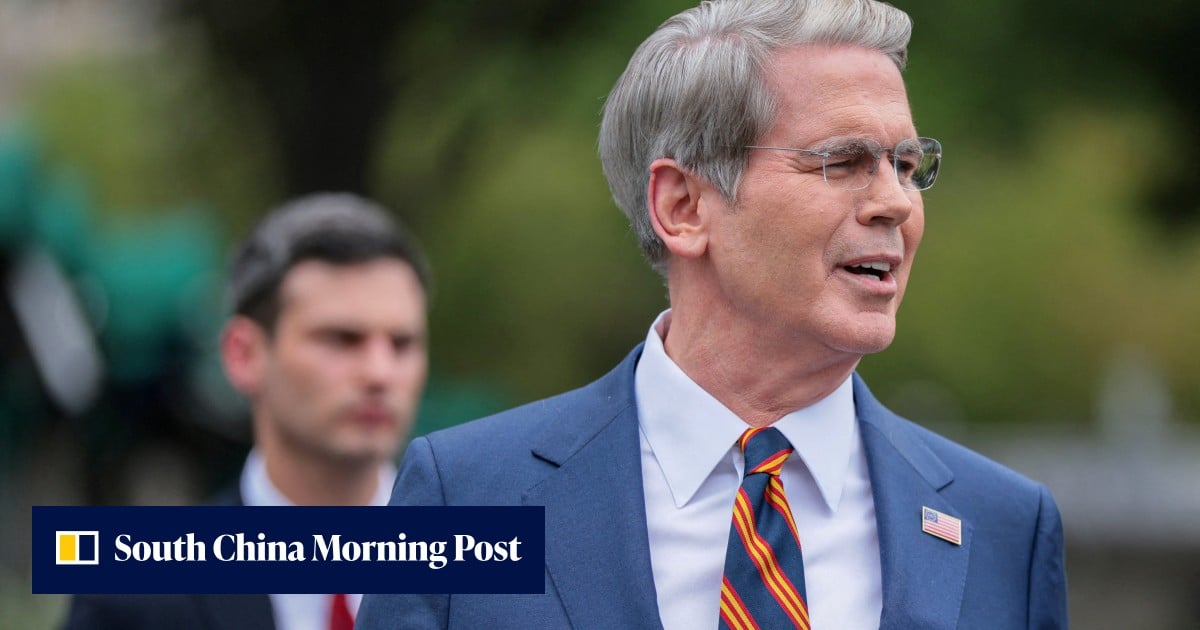
Treasury Secretary Scott Bessent has indicated the US is preparing to exert "unprecedented economic pressure" on Iran. This comes amidst skepticism from critics who point to the existing thousands of sanctions already in place. While the specific actions remain undisclosed, the Treasury Department is considering targeting Chinese banks, shadow fleets, and exchange houses that enable Iran's oil trade. The primary objective is to directly reduce Tehran's oil revenues, which are heavily reliant on sales to China, accounting for over 90 percent of Iran's oil exports.
The administration has already imposed penalties on some Chinese teapot refineries and firms since the conflict began in late February. However, a significant escalation would involve sanctioning major Chinese financial institutions that facilitate these transactions. This move represents a critical juncture, as it would directly challenge China's economic interests and could have far-reaching implications for global financial systems.
Chinese Teapot Refineries
A key target in the US's potential new sanctions regime is the network of Chinese entities, including "teapot refineries," that process Iranian crude. Washington has previously sanctioned some of these smaller, independent refineries and associated firms. These entities play a crucial role in circumventing existing sanctions, allowing Iran to continue exporting oil at discounted rates. By tightening the screws on these operations, the US hopes to further constrict Iran's access to foreign currency.
However, the more impactful, and risky, step would be to target the larger Chinese banks that provide the financial infrastructure for this trade. Such a move would represent a significant escalation from previous actions, which have largely avoided directly confronting major Chinese financial institutions. The decision to target these larger players would signal a heightened commitment to isolating Iran, potentially at the cost of broader economic stability and diplomatic relations.
Donald Trump and Xi Jinping
The prospect of sanctioning major Chinese banks introduces a substantial geopolitical risk, particularly ahead of a planned meeting between US President Donald Trump and Chinese leader Xi Jinping. Such aggressive economic measures against China could severely worsen already strained US-Beijing relations. The Trump administration faces a delicate balancing act: pursuing its Iran policy objectives while attempting to manage its complex relationship with China.
Bloomberg Economics analyst Chris Kennedy highlights this dilemma, suggesting that unless the US president prioritizes the Iran threat above all other issues, especially China, any action taken is unlikely to materially alter Iran’s strategic calculus. Furthermore, curtailing Iranian oil barrels from the global market would remove a source of discounted crude, potentially leading to a rise in already elevated oil prices. This economic trade-off could have domestic implications for the US, including higher petrol prices for consumers, adding another layer of complexity to the administration's decision-making process.
Key points
- The US Treasury is exploring new economic pressures to isolate Iran, despite existing sanctions.
- Potential targets include Chinese banks, shadow fleets, and exchange houses facilitating Iran's oil exports.
- China buys over 90% of Iran's oil, making Chinese entities central to the new strategy.
- Targeting major Chinese financial institutions risks worsening US-China tensions and could impact a planned meeting between leaders.
- Curtailing Iranian oil could remove discounted crude from the market, potentially raising global oil prices.
If the US can successfully implement highly targeted sanctions without triggering significant retaliation from China or causing a major spike in global oil prices, it could effectively reduce Iran's oil revenues and diminish its capacity to fund regional activities. This outcome would demonstrate the potency of economic pressure as a foreign policy tool, potentially forcing Iran to reconsider its current trajectory.
The aggressive targeting of major Chinese banks could severely escalate tensions with Beijing, jeopardizing broader US-China relations and potentially leading to retaliatory economic measures. Furthermore, removing discounted Iranian crude from the market risks significantly increasing global oil prices, leading to higher petrol costs for consumers and contributing to global inflation.
Market signals
- OIL Curtailing Iranian barrels would remove discounted crude from the global market and could lift already elevated oil prices, according to the article.
AI-generated analysis of potential market relevance. Not financial advice.