Why the Chinese yuan could soon be Africa’s most important currency
African financial institutions are increasingly integrating with China's payment network, CIPS, boosting the yuan's role on the continent and reducing reliance on the US dollar.
Intelligence analysis by Gemini 2.5 Flash
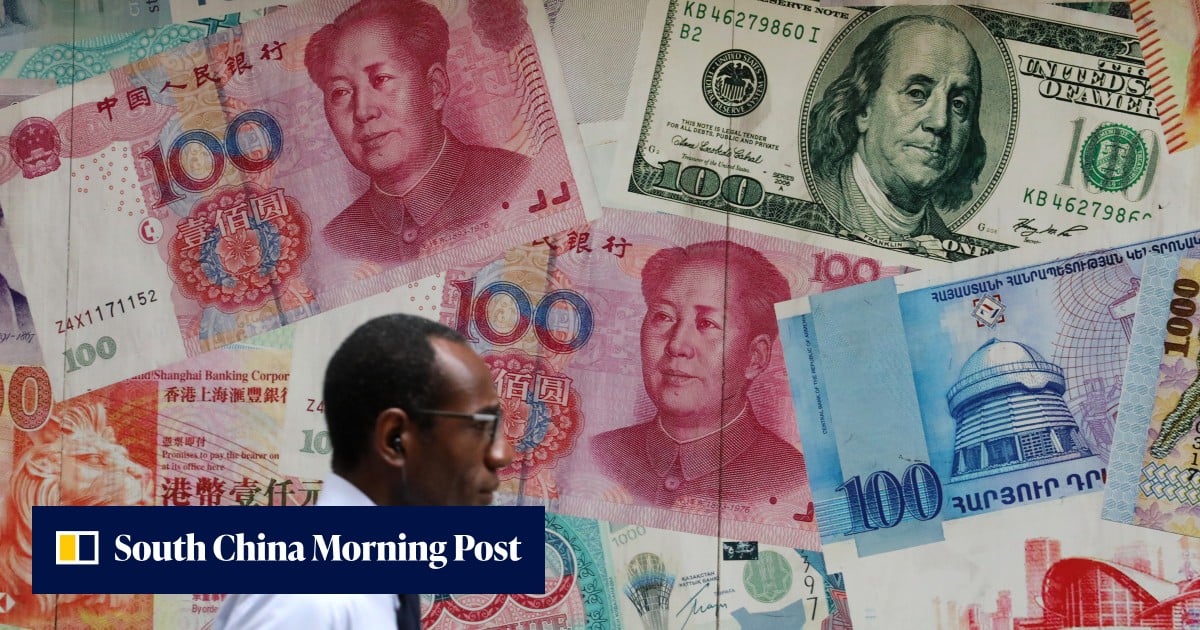
Beijing is actively promoting the yuan's internationalization in Africa, with countries like Libya and Zambia adopting China's Cross-Border Interbank Payment System (CIPS) and exploring yuan-denominated debt. This strategic move aims to streamline trade, facilitate direct payments, and offer an alternative to the dollar-dominated global financial system.
Imagine money is like different kinds of toys. For a long time, the US dollar toy was the most popular for trading with other countries. But now, China wants its yuan toy to be just as popular, especially in Africa. So, China is helping African countries use the yuan toy directly for buying and selling things, and even for borrowing money to build new roads or schools, making it easier and faster for them to trade without always needing the dollar toy first.
Analysis
The push for the Chinese yuan to become a dominant currency in Africa represents a significant strategic move by Beijing to internationalize its currency and reduce global reliance on the US dollar. This initiative is gaining traction as more African financial institutions connect to China's Cross-Border Interbank Payment System (CIPS), offering a direct alternative to the traditional Swift network. The implications are far-reaching, affecting trade, finance, and geopolitical alignments across the continent.
Libya
Libya's recent engagement with China's financial system marks a notable step in this trend. Following discussions between the Central Bank of Libya Governor Naji Issa and People’s Bank of China Governor Pan Gongsheng, Libyan banks are preparing to join CIPS. This integration is expected to significantly streamline commercial transactions, accelerate cross-border transfers, and boost trade flows between Libya and China. Furthermore, Libya is exploring the issuance of panda bonds, which are yuan-denominated debts sold by foreign entities in mainland China. This could provide a crucial funding mechanism for the country's reconstruction efforts after years of conflict, directly linking its financial recovery to China's capital markets.
CIPS
China's Cross-Border Interbank Payment System (CIPS) is central to the yuan's internationalization strategy. As an alternative to the Society for Worldwide Interbank Financial Telecommunication (Swift) system, CIPS enables direct yuan interbank payments for trade, bypassing the need for dollar conversion. This system offers African nations a pathway to conduct trade and financial transactions directly in yuan, potentially avoiding the reach of US sanctions and reducing transaction costs. Key African financial players, including the continent-wide African Export-Import Bank and South Africa’s Standard Bank, Africa’s largest bank, have already connected to CIPS, signaling a growing acceptance and integration of the Chinese payment network across the continent. Zambia's decision to collect taxes and royalties from Chinese mining firms in yuan further illustrates the practical application and growing adoption of the currency.
Panda Bonds
The concept of panda bonds is emerging as a critical tool for African nations to tap into China's vast capital market. These yuan-denominated bonds allow foreign entities, such as the Libyan government, to raise funds directly from investors in mainland China. For countries seeking to finance large-scale infrastructure projects or national reconstruction, panda bonds offer an alternative source of capital that is not tied to traditional Western financial markets. This mechanism not only provides much-needed funding but also deepens the financial linkages between African economies and China, further embedding the yuan into their financial ecosystems. The potential for more African countries to issue panda bonds could significantly bolster China's financial influence and the yuan's standing as an investment currency on the continent.
Key points
- African financial institutions are increasingly joining China's Cross-Border Interbank Payment System (CIPS).
- Libya's central bank is set to integrate with CIPS and plans to issue yuan-denominated panda bonds for reconstruction funding.
- CIPS offers an alternative to Swift, facilitating direct yuan interbank payments for trade and potentially avoiding sanctions.
- African Export-Import Bank and South Africa's Standard Bank are among the lenders already connected to CIPS.
- Zambia has begun collecting taxes and royalties from Chinese mining firms in yuan, channeling the currency back to Beijing.
The increasing adoption of the yuan and China's CIPS network could lead to smoother, more efficient trade between African nations and China, potentially reducing transaction costs and currency conversion fees. This shift could also offer African countries greater financial autonomy and diverse funding options for development projects, lessening their reliance on the US dollar and Western financial systems.