Hull funeral director broke families’ trust on ‘almost industrial scale’, court hears
A Hull funeral director, Robert Bush, has been accused of breaking the trust of families on an 'almost industrial scale' after leaving bodies 'rotting away'. Bush, owner of Legacy Independent Funeral Directors, has pleaded guilty to 67 offences, including 30 counts of pre…
Intelligence analysis by Llama
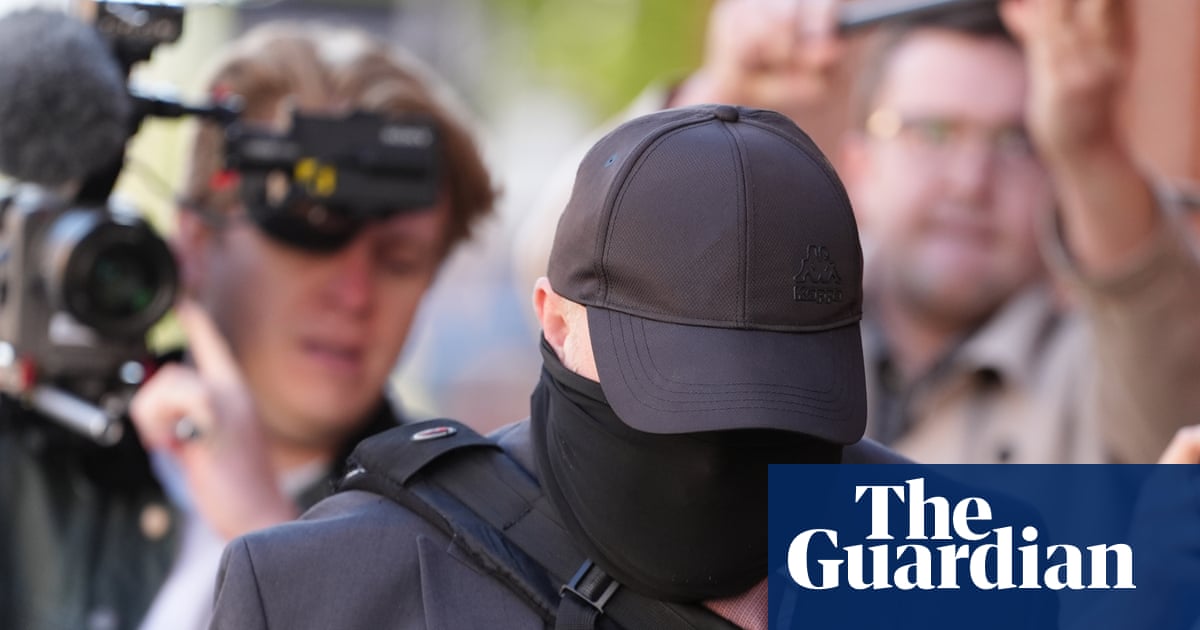
A Hull funeral director has been accused of breaking the trust of families by leaving bodies 'rotting away'. Robert Bush, owner of Legacy Independent Funeral Directors, has pleaded guilty to 67 offences, including 30 counts of preventing lawful and decent burial.
A funeral director in Hull, England, named Robert Bush, was accused of being very bad at his job. He left people's loved ones' bodies rotting away in his care, and he even gave some families the wrong ashes. This made the families very sad and angry. They want the government to make sure that funeral directors are better regulated so that this doesn't happen again.
Analysis
A Funeral Director's Betrayal
Robert Bush, the owner of Legacy Independent Funeral Directors in Hull, has been accused of breaking the trust of families on an 'almost industrial scale'. The allegations against Bush are shocking, with families claiming that he left their loved ones' bodies 'rotting away' in his care. Bush has pleaded guilty to 67 offences, including 30 counts of preventing lawful and decent burial.
The case against Bush is built on the testimony of several family members who were affected by his actions. They have spoken out about the nightmares and PTSD they have suffered as a result of Bush's offending. One family member, Jayne Rimmington, recalled how Bush 'smiled' as he handed her the wrong ashes, while her loved one remained secretly uncremated. Another family member, Vicky Mitchell, described Bush as a 'charlatan' who 'didn't care' about the families he was supposed to be serving.
The investigation into Bush's actions was sparked by a search of the Legacy premises in March 2024. Police found many bodies left uncovered and in varying states of decomposition, stored on racks on both sides of the room. One naked body still lay on a stretcher on the floor. Flowers, rings, teddy bears, and cards with messages, intended to be placed with loved ones, had been swept under the floor. The removal of bodies took two days and several officers, including a disaster identification team. Bodies had to be identified by dental records, DNA examination, or fingerprints. Police also uncovered the remains of an 18-week stillborn boy, identified as Sunny Beverley-Conlin, on the floor of the premises, inside what appeared to be a police evidence bag. His mother, Jasmine Beverley, believed he had been given a funeral and cremated.
The case against Bush raises important questions about the regulation of the funeral industry. Families are calling for greater oversight to prevent such incidents in the future. As one family member, David Gorbutt, put it, 'It is hard to believe a person needs more permits to sell burgers than to deal with the dead.'
The Investigation
The investigation into Bush's actions was sparked by a search of the Legacy premises in March 2024. Police found many bodies left uncovered and in varying states of decomposition, stored on racks on both sides of the room. One naked body still lay on a stretcher on the floor. Flowers, rings, teddy bears, and cards with messages, intended to be placed with loved ones, had been swept under the floor. The removal of bodies took two days and several officers, including a disaster identification team. Bodies had to be identified by dental records, DNA examination, or fingerprints. Police also uncovered the remains of an 18-week stillborn boy, identified as Sunny Beverley-Conlin, on the floor of the premises, inside what appeared to be a police evidence bag. His mother, Jasmine Beverley, believed he had been given a funeral and cremated.
The Fallout
The case against Bush has had a significant impact on the families affected. Many have spoken out about the nightmares and PTSD they have suffered as a result of Bush's offending. One family member, Jayne Rimmington, recalled how Bush 'smiled' as he handed her the wrong ashes, while her loved one remained secretly uncremated. Another family member, Vicky Mitchell, described Bush as a 'charlatan' who 'didn't care' about the families he was supposed to be serving.
The case against Bush raises important questions about the regulation of the funeral industry. Families are calling for greater oversight to prevent such incidents in the future. As one family member, David Gorbutt, put it, 'It is hard to believe a person needs more permits to sell burgers than to deal with the dead.'
Key points
- Robert Bush, a funeral director in Hull, England, has been accused of breaking the trust of families on an 'almost industrial scale'
- Bush has pleaded guilty to 67 offences, including 30 counts of preventing lawful and decent burial
- Families have spoken out about the nightmares and PTSD they have suffered as a result of Bush's offending
- The case against Bush raises important questions about the regulation of the funeral industry
- Families are calling for greater oversight to prevent such incidents in the future
The case against Robert Bush highlights the need for stronger regulation of the funeral industry. If implemented, this could lead to greater oversight and accountability, ultimately protecting families from similar incidents in the future.
The case against Robert Bush raises concerns about the lack of regulation in the funeral industry. If left unchecked, this could lead to further instances of families being betrayed by funeral directors, causing significant emotional distress and trauma.