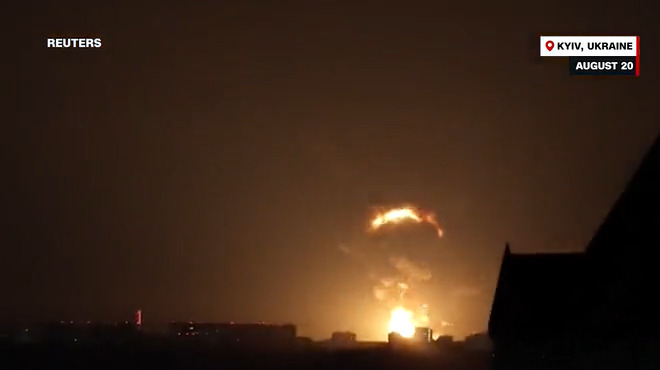
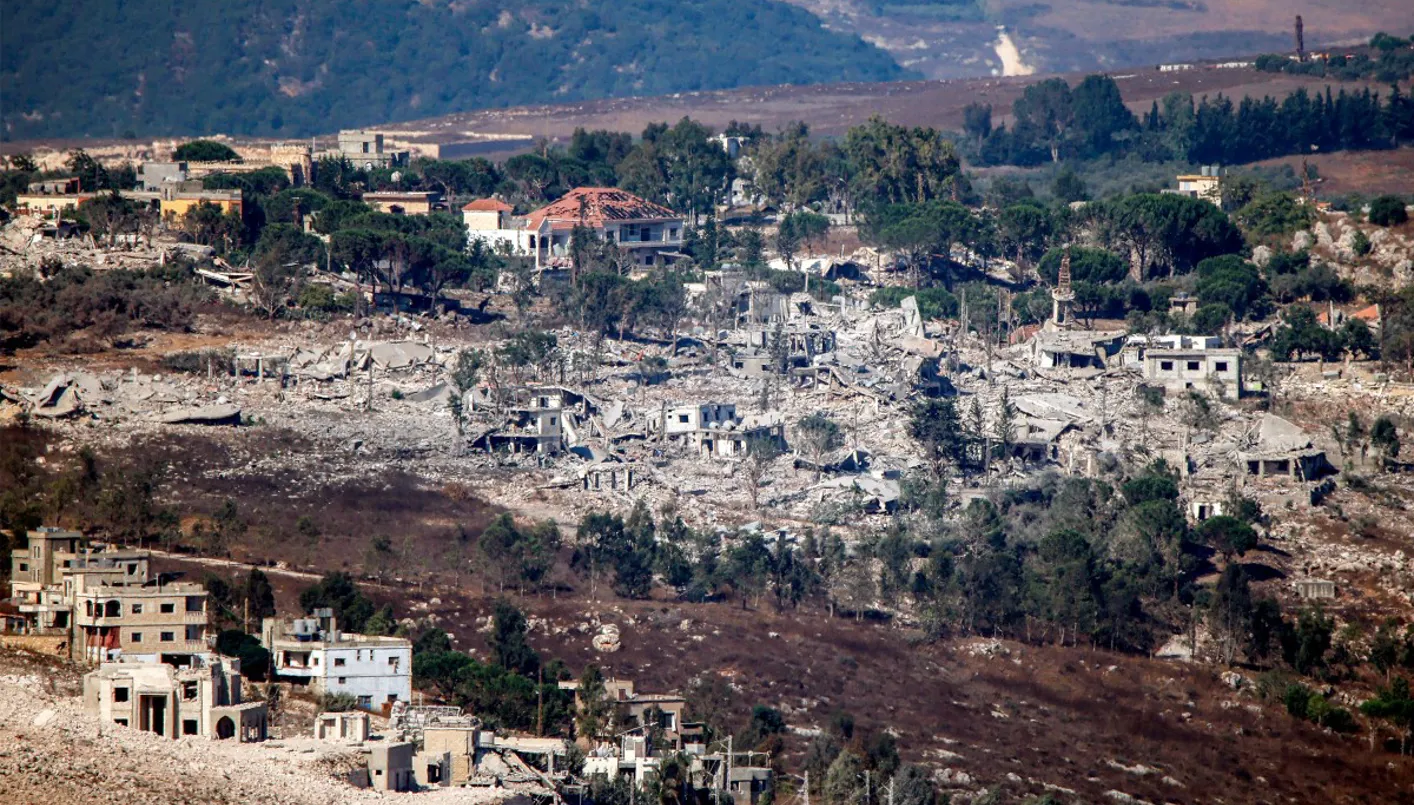
Huthis claim to have targeted eight Saudi oil tankers since start of blockade
Yemen's Iran-backed Huthis claim to have targeted eight Saudi oil tankers and multiple military vessels since late July, when they declared a maritime blockade on Saudi shipping.
Intelligence analysis by Gemini 2.5 Flash
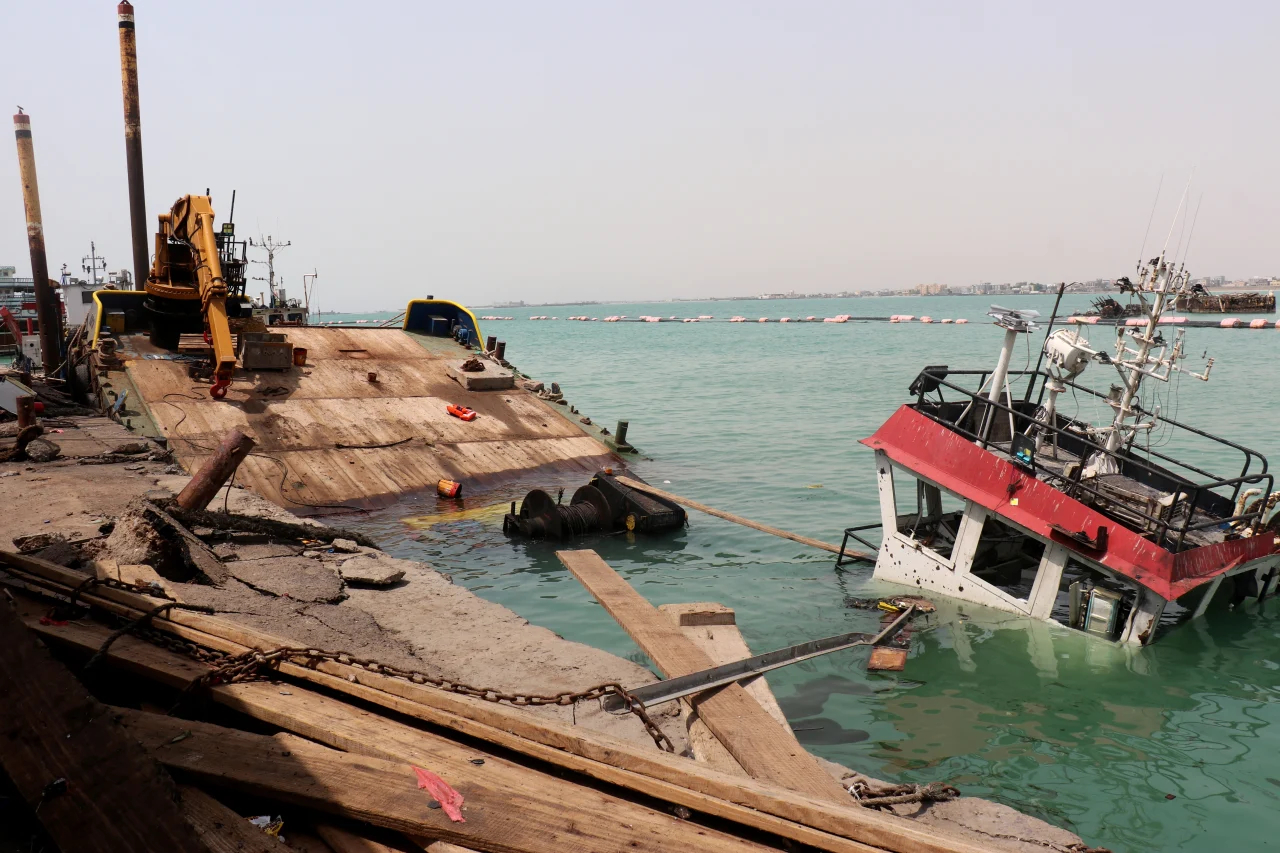
The Huthi group, through their Saba news agency, announced they had attacked eight Saudi oil tankers and sunk several military ships near Mokha, allegedly transporting Saudi weapons. These claims, however, lack independent verification from CNN, and Saudi authorities have not yet commented, amidst intensifying clashes near the strategic Bab al-Mandeb Strait.
Imagine a very important water road where big ships carry oil from one side of the world to the other. Some fighters called the Huthis say they've attacked eight of Saudi Arabia's oil ships and some military boats on this water road. Nobody else has said for sure if this is true, but if it is, it could make it harder for oil to get where it needs to go, like when a busy street gets blocked and cars can't pass easily.
Analysis
The recent claims by Yemen's Iran-backed Huthis regarding attacks on Saudi oil tankers and military vessels mark a significant escalation in the ongoing conflict in the Red Sea. The Huthi-run Saba news agency reported that eight Saudi oil tankers have been targeted since late July, coinciding with the group's declaration of a maritime blockade on Saudi shipping. This development, if independently verified, could have profound implications for global energy markets and regional stability, given Saudi Arabia's role as a major oil exporter.
Eight Saudi Oil Tankers
The Huthis' assertion of targeting eight Saudi oil tankers since the imposition of their maritime blockade represents a direct challenge to Saudi Arabia's economic interests and maritime security. Such actions, even if unconfirmed, introduce a heightened level of risk for commercial shipping in one of the world's most critical waterways. The deliberate targeting of oil tankers suggests an intent to disrupt the flow of crude, potentially impacting global supply chains and driving up insurance costs for vessels transiting the region. The lack of immediate comment from Saudi authorities and the inability of independent news organizations like CNN to verify these claims underscore the fog of war surrounding the conflict, making it difficult to ascertain the full extent of the damage or the veracity of the Huthis' operational successes.
Bab al-Mandeb Strait
The intensified clashes are concentrated near the Bab al-Mandeb Strait, a narrow and strategically vital maritime chokepoint at the southern end of the Red Sea. This strait is a crucial passage for a significant portion of the world's oil and commercial goods, connecting the Indian Ocean and the Mediterranean Sea via the Suez Canal. Any sustained disruption or perceived threat to shipping in this area can trigger global economic repercussions, affecting everything from oil prices to international trade routes. The Huthis' declaration of a blockade on Saudi ships and their alleged attacks are designed to exert pressure on Saudi Arabia, which is the primary backer of Yemeni government forces, by threatening its economic lifelines and demonstrating their capacity to project power beyond land-based engagements.
Mokha
The port city of Mokha has emerged as a focal point in the recent escalation, with the Huthis claiming to have sunk two military landing ships and more than ten warships belonging to Saudi forces near its coast. The Huthis allege these landing ships were transporting Saudi weapons, indicating a broader effort to interdict military supplies to their adversaries. Mokha is held by Yemen's internationally recognized, Aden-based government, making it a contested and strategically important location for controlling access along the Red Sea coast. The reported attacks off Mokha, following a weekend of regional escalation, highlight the Huthis' continued naval capabilities and their willingness to engage in maritime warfare, further complicating efforts to de-escalate the conflict and secure safe passage for international shipping.
Key points
- Yemen's Iran-backed Huthis claim to have targeted eight Saudi oil tankers since late July.
- The Huthis also claim to have sunk two military landing ships and over ten warships near Mokha.
- These claims have not been independently verified by CNN, and Saudi authorities have not commented.
- Clashes have intensified near the Bab al-Mandeb Strait, a critical maritime chokepoint.
- The Huthis declared a maritime blockade on Saudi shipping in late July.
The unverified claims of attacks on oil tankers and military vessels could lead to a significant escalation of the conflict in the Red Sea, potentially disrupting global oil supplies and increasing shipping costs. This could further destabilize the region, drawing in more international actors and prolonging the humanitarian crisis in Yemen.
Market signals
- OIL Reports of attacks on oil tankers and a maritime blockade in a key chokepoint increase supply-route risk, potentially driving oil prices higher.
AI-generated analysis of potential market relevance. Not financial advice.