Why The ‘Performative Male’ Archetype is Damaging
The 'Performative Male' archetype, an online joke among Gen Z, is criticized for discouraging men from genuine interest in topics like feminism and expressing vulnerability, pushing them towards toxic masculinity.
Intelligence analysis by Gemini 2.5 Flash
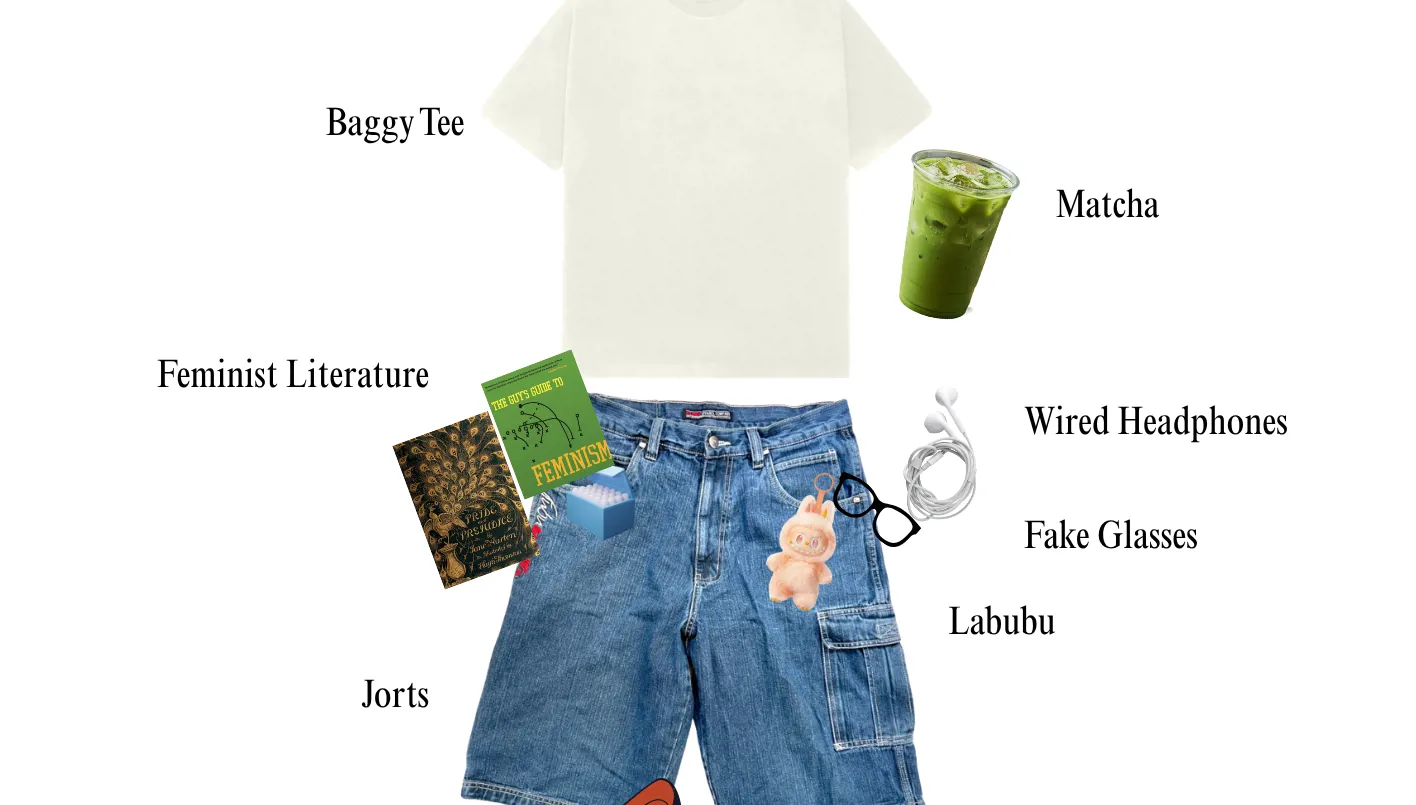
The article argues that the 'Performative Male' stereotype, which mocks men for appearing sensitive or progressive to attract women, is detrimental. It suggests this trend prevents men from exploring healthier identities and engaging with topics traditionally associated with women, ultimately reinforcing narrow, conventional forms of masculinity.
Imagine a boy who likes to read books or listen to music that his friends think are 'girly.' Instead of thinking he genuinely likes them, some people online make fun of him, saying he's just pretending to impress girls. This article says that making fun of him like this is actually bad because it makes boys afraid to try new things or show their feelings, pushing them back to acting 'tough' all the time, like a superhero who never cries.
Analysis
The 'Performative Male' archetype, initially a humorous online label within Gen Z, has evolved into a significant social critique. This phenomenon describes men who adopt superficial progressive traits, such as carrying tote bags or feigning interest in feminist literature, primarily to impress women rather than from genuine conviction. The article posits that while performative allyship does exist, the widespread generalization of this label is deeply damaging, creating an environment where men fear ridicule for exploring interests outside traditional masculine norms.
Performative Male
The core issue with the 'Performative Male' archetype lies in its capacity to stifle genuine personal development among men. By labeling any man who expresses vulnerability or interest in 'feminine' topics as merely 'performing,' society inadvertently discourages authentic exploration of self and empathy. This creates a chilling effect, where men might retreat from healthier identities and revert to more conventional, often toxic, expressions of masculinity to avoid being mocked. The article highlights how this pressure can prevent men from engaging with diverse interests, ultimately limiting their emotional and intellectual growth.
This archetype reinforces the very expectations of traditional masculinity it purports to critique. Men are expected to be stoic, strong, and emotionally controlled, with vulnerability often perceived as a weakness. When attempts to deviate from these norms are met with suspicion and ridicule, it solidifies the idea that such interests are inherently suspicious or disingenuous. The article points out that this dynamic is particularly harmful as it can prevent men from developing a sincere interest in topics like feminism, framing their engagement as purely strategic rather than intellectual or empathetic.
Feminism
The impact of the 'Performative Male' stereotype on feminism and women's intellectual spaces is particularly concerning. The immediate assumption that a man reading feminist literature must have an ulterior motive implies that women's perspectives and struggles are not valuable enough to be studied for their own sake. Instead, they are reduced to tools for male benefit, such as attracting partners. This framing devalues women's intellectual contributions and reinforces a narrow model of masculinity that sees engagement with women's issues as a means to an end, rather than a legitimate pursuit of knowledge or social justice.
This reductionist view can border on misogyny, as it diminishes women's experiences to their utility in a male dating economy. By suggesting that men cannot genuinely be interested in feminist thought, the stereotype implies that women's intellectual and cultural interests lack inherent value. This not only undermines the importance of feminist discourse but also perpetuates the idea that men's engagement with such topics is always self-serving. The article stresses the thin line between criticizing genuine performativity and broadly dismissing men's potential for sincere allyship, warning that the latter can be profoundly damaging to both men and women.
Gen Z
The emergence and popularization of the 'Performative Male' label within Gen Z online culture underscore broader shifts in how younger generations navigate gender identity and social expectations. While the internet has provided platforms for challenging traditional norms and fostering discussions around toxic masculinity, it has also created spaces where new forms of social policing can arise. The article notes that the term originated as an online joke, a way to poke fun at perceived insincerity. However, its widespread adoption has led to unintended consequences, where the fear of being labeled 'performative' can deter genuine curiosity and engagement.
This dynamic highlights the complexities of online social trends, where humor can quickly morph into a tool for social control. For Gen Z, who are often at the forefront of advocating for progressive values, the 'Performative Male' archetype presents a paradox: while aiming to call out hypocrisy, it risks alienating potential allies and discouraging authentic self-expression. The article concludes by emphasizing the difficulty in discerning genuine interest from performativity, suggesting that this ambiguity is pushing boys away from exploring topics like feminism, not out of disdain, but out of a desire to avoid social condemnation.
Key points
- The 'Performative Male' archetype emerged as an online joke among Gen Z, mocking men who appear sensitive or progressive to attract women.
- The article argues this archetype is damaging as it discourages men from genuinely exploring interests associated with women or expressing vulnerability.
- It pushes men back towards conventional forms of masculinity, where vulnerability is seen as weakness and 'feminine' interests are embarrassing.
- The stereotype also devalues women's intellectual interests by framing them as tools for male benefit rather than legitimate subjects of study.
- While performative allyship exists, the generalization of the label can prevent genuine male engagement with topics like feminism out of fear of ridicule.
The widespread adoption of the 'Performative Male' label risks discouraging men from genuinely exploring healthier identities and expressing vulnerability, potentially reinforcing traditional, toxic masculine norms. This could lead to a regression in societal progress regarding gender equality and emotional intelligence among men.