Russian attack on Kyiv kills at least 12, damages children’s hospital, says city mayor
Kyiv experienced a "massive" Russian attack overnight, resulting in at least 12 deaths and over 30 injuries, with damages to a hospital, school, and residential buildings, according to Mayor Vitali Klitschko. The strikes also hit gas infrastructure and a border crossing, …
Intelligence analysis by Gemini 2.5 Flash
A recent large-scale Russian assault on Kyiv caused significant casualties and widespread damage to civilian infrastructure, including a children's hospital, intensifying the ongoing conflict. This attack occurred amidst a broader escalation, with Ukraine also launching hundreds of drones at Russian territory, highlighting the persistent and reciprocal nature of the hostilities.
Imagine two big neighbors, Russia and Ukraine, are having a very serious fight. One night, Russia sent lots of rockets and drones to Ukraine's capital city, Kyiv, hurting many people and damaging buildings like a hospital where kids go. Ukraine also sent many drones back to Russia. It's like a very dangerous game of tag, but with real harm.
Analysis
The recent "massive" Russian attack on Kyiv marks a significant escalation in the ongoing conflict, resulting in substantial civilian casualties and widespread damage to critical infrastructure. This event underscores the persistent and brutal nature of the hostilities, with both sides demonstrating a willingness to intensify their offensive operations. The reported targeting of a children's hospital, alongside residential buildings and warehouses, highlights the devastating impact on non-military targets, drawing international condemnation and raising concerns about adherence to international humanitarian law. The scale of destruction and the human toll emphasize the urgent need for de-escalation, though current trends suggest a deepening of the conflict.
Kyiv Under Siege
The Ukrainian capital, Kyiv, bore the brunt of a severe overnight assault, described by Mayor Vitali Klitschko as "massive." This attack led to the deaths of at least 12 individuals and left more than 30 wounded, painting a grim picture of the human cost of the conflict. The strikes were not confined to military installations, with reports confirming damage to a hospital, a school, residential complexes, and several warehouses across the city, indicating a broad targeting strategy that impacted civilian areas.
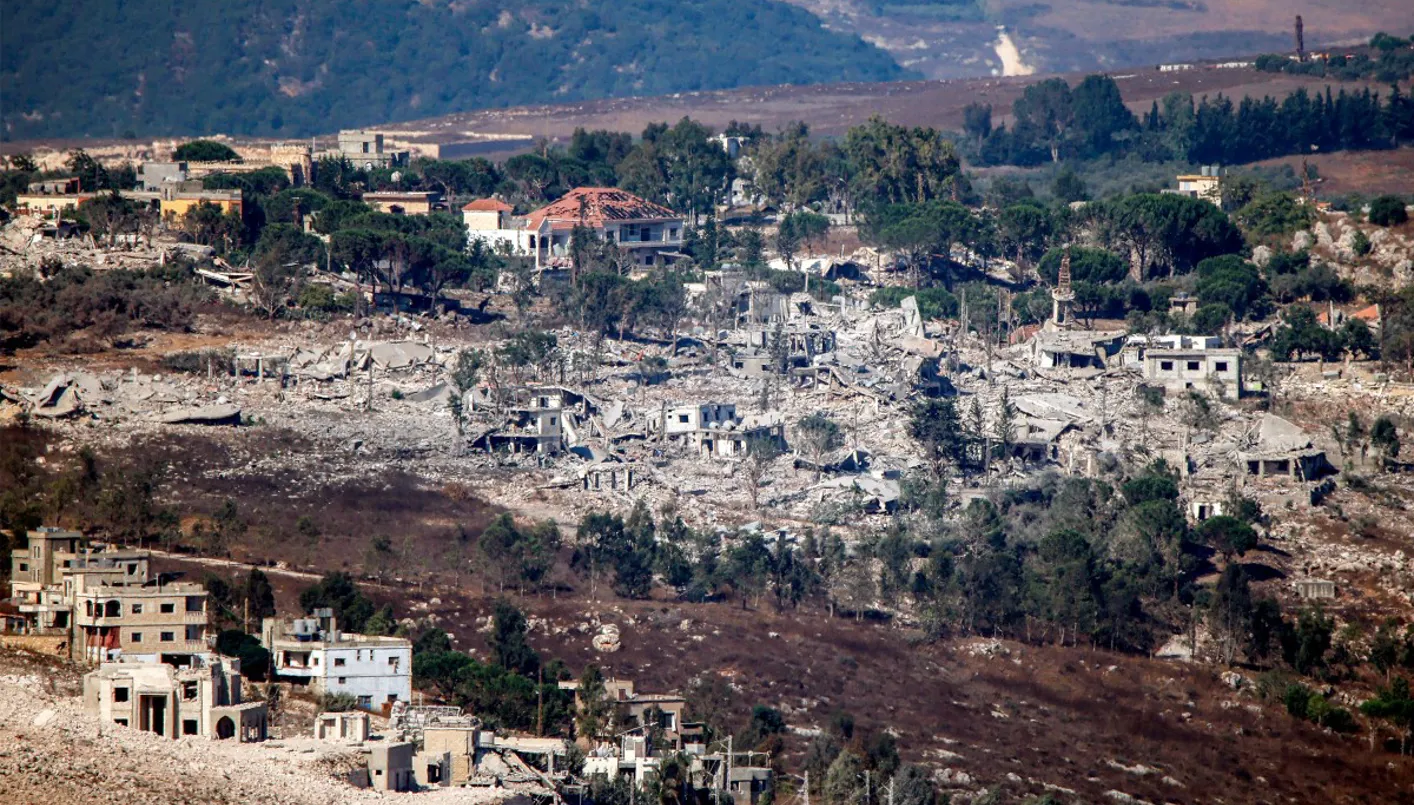
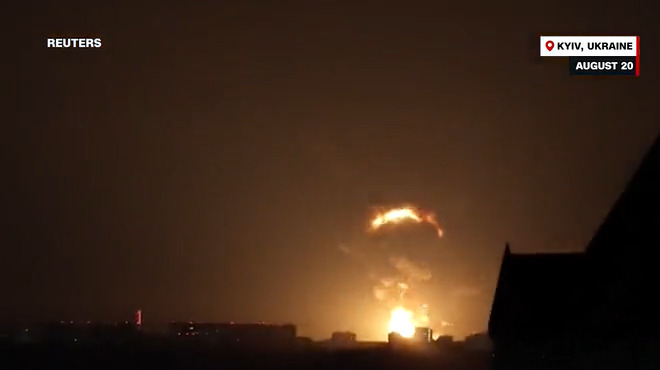
The widespread destruction observed by CNN producers and captured in Reuters video footage, showing massive fires and smoke over the city, indicates the intensity and scale of the Russian offensive. Such attacks on urban centers not only inflict immediate casualties but also cause long-term disruption to essential services and civilian life, further exacerbating the humanitarian crisis and displacing populations. The targeting of civilian infrastructure, including medical facilities, raises serious questions about the nature of the conflict and its adherence to international norms, potentially constituting war crimes.
Vitali Klitschko's Account
Mayor Vitali Klitschko provided immediate and critical details regarding the aftermath of the attack, emphasizing the severity of the damage and the toll on the city's residents. His statements confirmed the casualties and the destruction of various civilian sites, including the shattering of windows at a children’s hospital in the Solomianskyi district. Klitschko's direct communication serves as a primary source for understanding the immediate impact on the ground, offering a crucial perspective from the affected municipality.
The mayor's reports are crucial for assessing the scope of the damage and the humanitarian situation, offering a local perspective amidst broader military narratives. His emphasis on the damage to a children's hospital, in particular, draws attention to the vulnerability of non-combatants and critical civilian services in conflict zones, underscoring the indiscriminate nature of some of the strikes. Such accounts are vital for informing international responses and humanitarian aid efforts, providing tangible evidence of the conflict's devastating effects.
800 Drones and Reciprocal Escalation
The Russian attack on Kyiv did not occur in isolation but within a broader context of escalating hostilities, including a significant counter-offensive by Ukraine. Just days prior, Ukraine launched over 800 drones at Russia, marking one of its largest aerial attacks of the conflict, with many targeting the Moscow area where many of Russia's elite reside. This reciprocal escalation demonstrates a tit-for-tat dynamic, where each side responds to the other's actions with increased force and expanded targeting.
Russia's defense ministry, in turn, claimed to have intercepted and destroyed 791 Ukrainian drones in a subsequent major assault, indicating the scale of Ukraine's offensive capabilities and the intensity of the aerial warfare. This exchange of large-scale drone attacks signifies a new phase in the conflict, characterized by deeper penetration into enemy territory and a heightened risk of widespread damage to both military and civilian targets. The continuous back-and-forth of these operations suggests a prolonged and increasingly destructive war, with significant implications for regional stability and international security, potentially drawing in more external actors.
Key points
- A "massive" Russian attack on Kyiv killed at least 12 people and wounded over 30, according to Mayor Vitali Klitschko.
- The strikes damaged a hospital, a school, residential buildings, and several warehouses across Kyiv, including a children's hospital in the Solomianskyi district.
- Russia's defense ministry stated it used "high-precision weapons" against military facilities, transport hubs, and warehouses.
- Ukrainian President Volodymyr Zelensky noted Russia combined various projectiles, cruise missiles, and drones to maximize damage to civilian infrastructure.
- The attack occurred amidst a broader escalation, with Ukraine recently launching over 800 drones at Russia, and Russia claiming to have intercepted 791 Ukrainian drones in another major assault.
The continued escalation of attacks by both sides, as evidenced by Russia's "massive" strike on Kyiv and Ukraine's large-scale drone offensives, suggests a prolonged and intensifying conflict. This could lead to further civilian casualties, widespread destruction, and increased regional instability, with potential for broader international repercussions.
Market signals
- OIL Escalation of conflict and attacks on energy infrastructure, as reported, typically increase geopolitical risk premiums on crude oil.
- NG Attacks on gas infrastructure in the Chernihiv region, as stated in the article, directly threaten supply and can drive up natural gas prices.
AI-generated analysis of potential market relevance. Not financial advice.