I have varicose veins – should I worry and what can I do about them?
Varicose veins are hard to ignore: These lumpy, ropelike vessels seem to bulge out the skin, and for many people, they can be deeply uncomfortable. They are most common in the legs, ankles and feet but can sometimes be found in the pelvis and elsewhere.
Intelligence analysis by Llama
Varicose veins can't be cured, but doctors recommend starting with some simple changes to help slow their progression. The goal is to help blood move back up the legs, Dr Kokkosis said. Taking a short walk or flexing your feet at your desk – at least every hour – can help keep your calf muscles engaged.
Varicose veins are like big, lumpy roads in your legs. They happen when the tiny valves in your veins get weak and can't push blood back up to your heart. This makes the veins get bigger and can be very uncomfortable. But there are things you can do to help, like taking short walks and wearing special socks that help push blood up your legs.
Analysis
What Causes Varicose Veins?
Arteries carry blood away from the heart, and veins bring it back. But that's a tougher job in the legs, where blood has to travel upward, Dr Faisal said. So your body relies on a two-part system: As you move around, your calf muscles squeeze the veins in your legs and push blood upward, while one-way valves keep that blood from travelling back down, said Dr Isabella Kuo, a vascular surgeon at University of California Irvine Medical Center.
Varicose veins form when these valves weaken or don't close properly. Blood pools in the legs and pressure builds, causing the veins to enlarge. Family history is the strongest risk factor for varicose veins, Dr Faisal said, but ageing, excess weight and jobs that require long stretches of sitting or standing also increase the odds. Women are more likely to develop varicose veins too, and while the reasons are not fully clear, hormone replacement therapy and pregnancy probably play a role, Dr Kuo said.
Because many of these risk factors are beyond a person's control, there is not much people can do to prevent varicose veins. But staying active, maintaining a healthy weight and taking breaks from long sedentary periods can help reduce strain.
Are Varicose Veins Dangerous?
If varicose veins aren't painful or bothersome, it's perfectly fine to ignore them, said Dr Angela Kokkosis, director of the centre for vein care at Stony Brook Medicine. However, many cases are symptomatic and worth getting checked out. For example, as blood pools in the veins, it can cause pain, tenderness and a feeling of heaviness in the legs. If the pressure stays elevated, fluid and red blood cells can seep into nearby tissue, Kokkosis said, causing swelling; itchy, dry skin; and discoloration. In rare cases, varicose veins can lead to ulcers, particularly without treatment, Dr Faisal said. Varicose veins are also tied to a higher risk of deep vein thrombosis, a potentially dangerous blood clot. So, sudden swelling or pain in just one leg – especially after a long sedentary stretch, like a trans-Atlantic flight – deserves prompt attention.
What Can You Do About Varicose Veins?
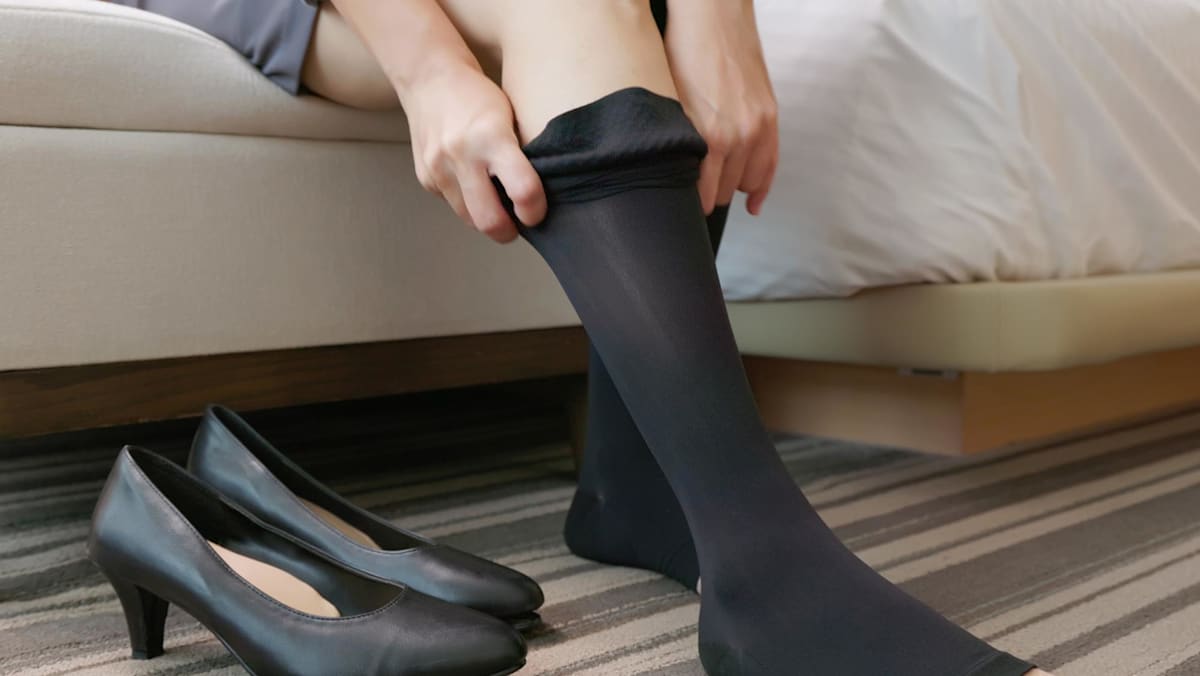
Varicose veins can't be cured, but doctors recommend starting with some simple changes to help slow their progression. The goal is to help blood move back up the legs, Dr Kokkosis said. Taking a short walk or flexing your feet at your desk – at least every hour – can help keep your calf muscles engaged. When sitting or lying down, doctors also recommend elevating your legs for about 15 minutes at a time. Wearing compression stockings during the day can help as well. They apply external pressure to the legs, thus helping counteract gravity and reduce blood pooling. Compression stockings are one of the best tools for symptom relief, Dr Faisal said, but can be uncomfortable, especially in hot weather. But there are ways to make them more manageable. Most people don't need the strongest, thigh-high versions; knee-high stockings with moderate compression typically work well, he added. And if you have trouble wearing them every day, at least do so on days when you'll be sitting or standing for long stretches, Dr Kokkosis said.
Key points
- Varicose veins are a common condition that can be uncomfortable and even lead to complications like skin discoloration or ulcers.
- Understanding the causes and symptoms of varicose veins can help individuals take steps to manage the condition and prevent further complications.
- Simple lifestyle changes like taking short walks and wearing compression stockings can help slow the progression of varicose veins and reduce symptoms.
- Varicose veins can't be cured, but doctors recommend starting with some simple changes to help slow their progression.
- Compression stockings are one of the best tools for symptom relief, but can be uncomfortable, especially in hot weather.
If you make some simple lifestyle changes, like taking short walks and wearing compression stockings, you can help slow the progression of varicose veins and reduce your symptoms. This can make a big difference in your comfort and quality of life.
If you don't take care of your varicose veins, they can lead to more serious problems like skin discoloration, ulcers, and even deep vein thrombosis. This can be very painful and even life-threatening, so it's essential to take your varicose veins seriously and seek medical attention if you experience any symptoms.