I was fined £500 after putting a coffee cup in a rubbish bag next to a full bin
A reader was fined £500 for putting a coffee cup in a rubbish bag next to a full bin, sparking concerns about the heavy-handedness of littering enforcement and the disproportionate penalties being handed out.
Intelligence analysis by Llama
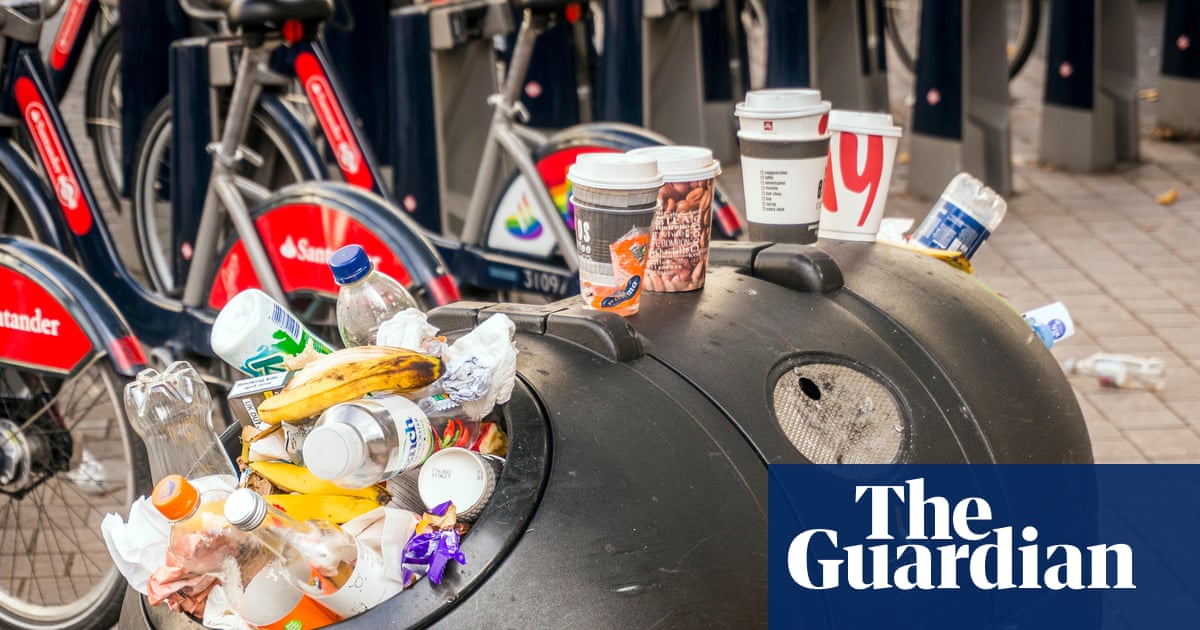
A reader was fined £500 for putting a coffee cup in a rubbish bag next to a full bin, sparking concerns about the heavy-handedness of littering enforcement and the disproportionate penalties being handed out. The reader argues that the fine is unaffordable and that councils should focus on the worst offenders rather than those who have unwittingly littered.
Imagine you're at a train station and you can't find a bin to throw away your empty coffee cup. You put it in a plastic bag next to a full bin, but an enforcement officer stops you and fines you £500. This is what happened to a reader who was recently fined for littering. The article discusses the issue of heavy-handed littering enforcement and the need for councils to focus on the worst offenders rather than those who have unwittingly littered.
Analysis
A £500 Fine for a Coffee Cup: The Unintended Consequences of Littering Enforcement
The recent case of a reader being fined £500 for putting a coffee cup in a rubbish bag next to a full bin has sparked widespread concern about the heavy-handedness of littering enforcement. While deliberate littering is undoubtedly a blight on our streets, the penalties being handed out seem disproportionate to the offense. In this article, we will explore the issue of littering enforcement and the need for councils to focus on the worst offenders rather than those who have unwittingly littered.
The government has given councils statutory powers to fine individuals up to £500 for littering, and many have opted to apply the full sum. This means that a dropped receipt could cost you £80 in one London street and £500 in another. A penalty of £500 is five times the fine for jumping a red light or for allowing a dog to foul a playground. It's a sum unaffordable to many people who, nevertheless, have to stump up at speed to avoid it quintupling.
The same government guidance states that enforcement action should be proportionate and focused on the worst offenders rather than those who have unwittingly littered. However, in the case of the reader who was fined £500, it seems that the enforcement officer was more interested in issuing a penalty notice than in educating the individual about the importance of proper waste disposal.
The reader argues that it was not unreasonable to assume that a plastic bag beside an overflowing bin was the next-best option for disposing of their rubbish. They also point out that it is not unreasonable to expect councils to ensure their own rubbish disposal, including emptying brimming bins, is up to scratch.
The south London council that issued the fine outsources its enforcement to the parking company APCOA but says the company does not keep any of the revenue raised or receive incentives to issue tickets. However, the council refused to cancel the fine, and the reader is left with no option but to pay up through gritted teeth.
The issue of littering enforcement is complex and multifaceted. While it is undoubtedly important to keep our streets clean, the heavy-handedness of enforcement and the disproportionate penalties being handed out are causing concern among individuals and communities. In this article, we will explore the issue in more depth and examine the need for councils to focus on the worst offenders rather than those who have unwittingly littered.
The Impact of Littering Enforcement on Individuals
The impact of littering enforcement on individuals is a significant concern. The £500 fine imposed on the reader is a substantial amount of money, and the threat of prosecution and a £2,500 penalty is a serious one. The reader argues that the fine is unaffordable and that councils should focus on the worst offenders rather than those who have unwittingly littered.
The issue of littering enforcement is not just about the financial impact on individuals. It is also about the emotional and psychological impact of being fined and threatened with prosecution. The reader describes feeling
Key points
- A reader was fined £500 for putting a coffee cup in a rubbish bag next to a full bin.
- The fine is unaffordable and disproportionate to the offense.
- Councils should focus on the worst offenders rather than those who have unwittingly littered.
- The government should review the littering enforcement policy and consider more proportionate penalties.
If the government were to review the littering enforcement policy and consider more proportionate penalties, it could lead to a more positive outcome for individuals and communities. This could involve introducing a warning system for first-time offenders and increasing the threshold for fines to make them more affordable.
If the current littering enforcement policy continues, it could lead to a negative outcome for individuals and communities. This could involve increased financial burdens on individuals, emotional distress, and a lack of trust in the authorities. It could also lead to a decrease in community engagement and a lack of cooperation with littering enforcement efforts.