ICC Chief Prosecutor Removed Over Sexual Misconduct Allegations
ICC member states voted unanimously to remove Chief Prosecutor Karim Khan over sexual misconduct allegations, with 82 votes in favor. The case coincides with a US campaign to dismantle the court.
Intelligence analysis by Llama
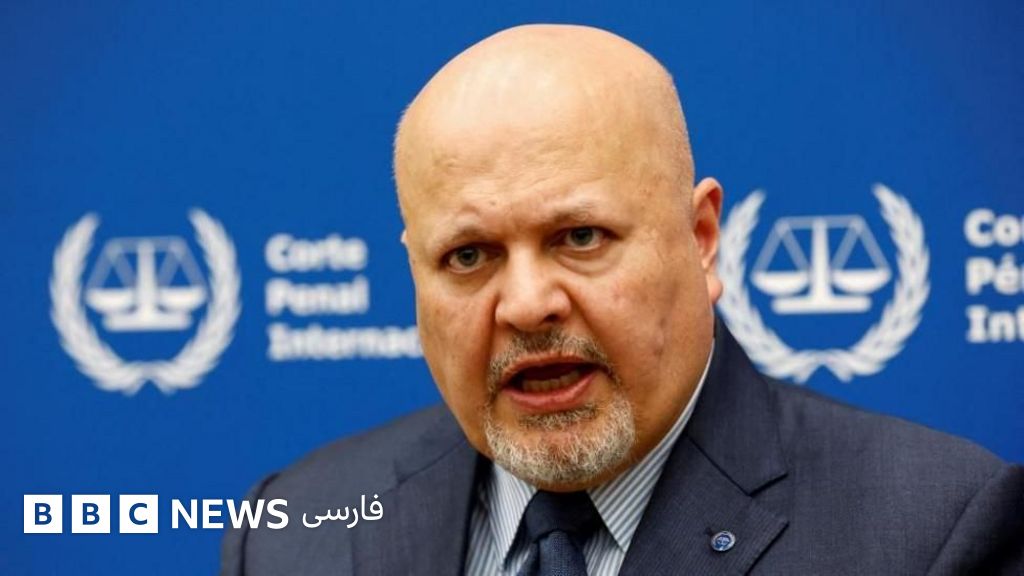
ICC members voted unanimously to remove Prosecutor Karim Khan after a June finding of serious misconduct involving a lower-ranking staff member. The ouster comes amid escalating US sanctions and a Washington push to dismantle the world's only permanent war crimes court.
The world's top war-crimes court kicked out its chief prosecutor because a group said he behaved badly with a co-worker. He's always said he did nothing wrong, and now a powerful country is also trying to shut the whole court down. It's a big deal because this court is supposed to hold leaders accountable when really bad things happen.
Analysis
A Unanimial Ouster After Months of Suspense
Members of the International Criminal Court voted unanimously to strip Karim Khan of his post as chief prosecutor, ending a months-long disciplinary saga that had already seen him placed on leave in May 2025. The vote, held at the Assembly of States Parties at the United Nations in New York, passed with 82 votes in favor. An internal oversight body concluded in June that Khan had engaged in "serious misconduct and a serious breach of duty" by initiating an inappropriate sexual relationship with a lower-ranking staff member and attempting to obstruct the resulting complaint. Khan has consistently denied the allegations, and his lawyer has signaled that the decision will be challenged through every available legal mechanism.
Washington's Shadow Over the Proceedings
Khan himself was unable to attend the New York session because the Trump administration has barred him from entering the United States. Washington imposed sanctions on Khan after he sought arrest warrants for Israeli Prime Minister Benjamin Netanyahu and former Defense Minister Yoav Gallant over alleged crimes connected to the Gaza war. Those sanctions sit inside a much broader US posture: earlier this month, the administration launched what it described as a "whole-of-government" effort to dismantle the ICC "brick by brick," pairing visa bans and asset freezes with diplomatic pressure on allies to either leave the court or strip it of jurisdiction over their nationals. The United States, Russia, and Israel are not ICC members, but the court can assert jurisdiction over crimes committed by their nationals on the territory of member states.
What a Weakened Court Means for the Region
The ICC has become a fault line in Middle East geopolitics, and the convergence of Khan's removal with Washington's escalation creates a moment of unusual vulnerability for the institution. Supporters fear the court will be left with diminished capacity to confront serious international threats at exactly the moment its mandate is most contested. Iran, like many states in the region, sits outside the court's formal membership but is affected by its investigative reach and the broader contest over international legal accountability. The article frames Khan's downfall as more than a personnel matter, suggesting it could reshape the only permanent war crimes court in the world at a time when the rules-based order it represents is under coordinated attack.
Key points
- ICC member states voted unanimously, with 82 in favor, to remove Prosecutor Karim Khan over sexual misconduct allegations.
- An internal oversight body found in June that Khan had an inappropriate sexual relationship with a lower-ranking staff member and tried to obstruct the resulting complaint.
- Khan has denied the allegations and his lawyer says the decision will be challenged through all available legal mechanisms.
- Khan was barred from the New York vote by US sanctions imposed after he sought arrest warrants for Israeli leaders over the Gaza war.
- The US has launched a 'whole-of-government' campaign to dismantle the ICC, threatening visa bans, asset freezes, and diplomatic pressure on allies.
The unanimous vote could reset the ICC's institutional culture and demonstrate that even its top official is subject to the same standards the court applies elsewhere. A clean leadership transition may also insulate the institution from accusations of hypocrisy as it pursues sensitive cases.
Khan's removal, combined with the US campaign to dismantle the ICC, could leave the court weaker and more susceptible to political pressure from major powers. The convergence of internal scandal and external hostility may erode the court's ability to pursue accountability for serious international crimes, including those touching on the Middle East.