India fumes as 3 of its mariners killed in U.S. strikes on oil tankers
Three Indian mariners were killed in a U.S. strike on a tanker in the Gulf of Oman, prompting a strong protest from New Delhi.
Intelligence analysis by GPT-5.4 Mini
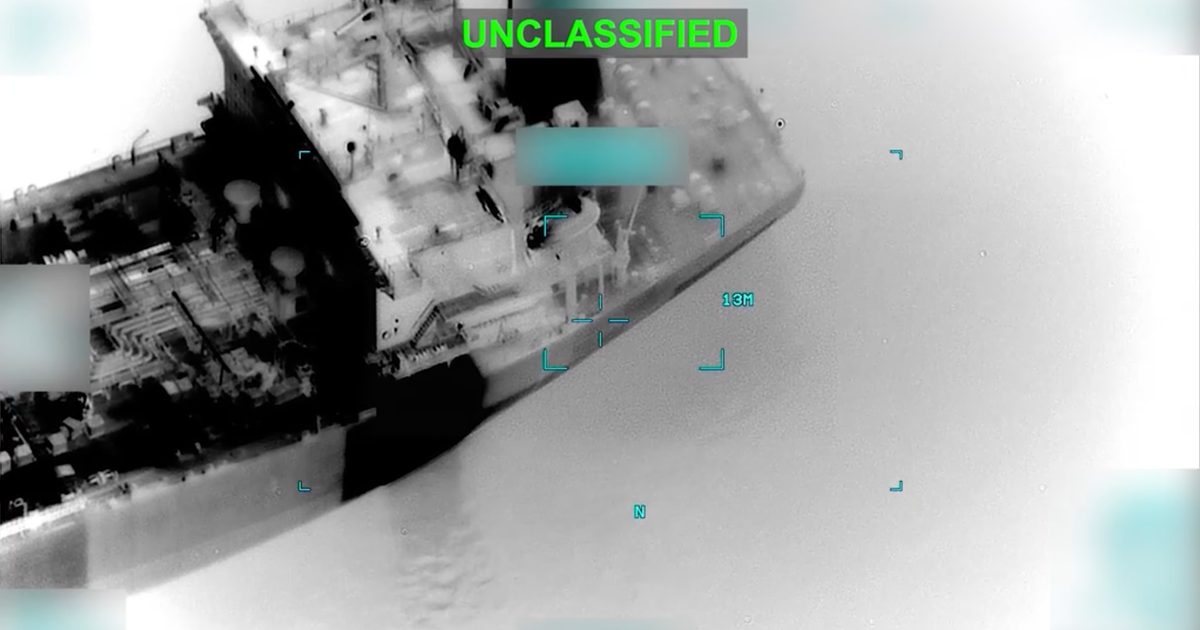
CBS News says India has protested after three of its seafarers died aboard the Palau-flagged M/T Settebello, which U.S. forces struck as part of a blockade targeting ships tied to Iran. The episode has widened diplomatic friction while U.S. officials say the operation is meant to stop oil flows to Iran.
A U.S. attack on a ship in the water killed three Indian sailors, and India is angry about it. It is like a police stop that turned into a crash: one side says the ship broke the rules, but the other side wants to know why people died.
Analysis
What happened
CBS News reports that three Indian mariners died after a U.S. strike hit the Palau-flagged M/T Settebello in the Gulf of Oman. India’s shipping minister said the sailors, initially reported missing, were later identified as Aditya Sharma, Shivanand Chaurasiya and Patnala Suresh.
U.S. account vs. India’s response
U.S. Central Command said the ship had violated the ongoing naval blockade of Iran’s ports and associated vessels. In CENTCOM’s account, the tanker’s engine room was fired on after the crew repeatedly did not follow directions from American forces. India, by contrast, said the episode was “deeply unfortunate” and condemned attacks on shipping in the region as worrisome.
India’s External Affairs Ministry said it summoned a senior U.S. diplomat to register a “strong protest.” The government said it expected the U.S. to take due note. Family members of the dead sailors also pressed for answers, with one grandfather telling the Press Trust of India that the family wanted “the full truth” of what happened.
Wider context
The Settebello was one of several tankers hit this week. CENTCOM said it had also disabled the M/T Jalveer and the M/T Marivex, both tied in its statements to Iranian oil or Iranian ports. CENTCOM said at least nine ships have been disabled since the blockade began on April 13. President Trump defended the blockade on Truth Social, saying it was putting pressure on Iran and claiming it was highly effective.
The report shows the practical consequences of the blockade: it is not only a strategic message to Iran, but also a source of risk for crews, shipping companies and countries whose citizens are aboard these vessels.
Key points
- Three Indian mariners died after a U.S. strike hit the Palau-flagged M/T Settebello in the Gulf of Oman.
- India’s government said it lodged a strong protest with a senior U.S. diplomat.
- CENTCOM said the tanker was targeted because it violated the blockade and ignored repeated directions.
- The strike is part of a broader U.S. campaign against vessels linked to Iran or Iranian oil.
- The incident has become both a human tragedy and a diplomatic dispute.
If both governments push for clarity, the case could lead to a better public accounting of what happened aboard the tanker. A clearer explanation could reduce confusion for shipping crews and help prevent similar incidents.
The deaths could deepen tension between Washington and New Delhi if India concludes its citizens were put in unnecessary danger. Continued strikes on shipping could also raise the risk of more deaths, more diplomatic protests and wider disruption in the Gulf of Oman.