Inflation topped 4% in May as CPI surged to highest level in 3 years
U.S. inflation accelerated to 4.2% in May, its highest since April 2023, as the Iran war pushed energy prices higher.
Intelligence analysis by GPT-5.4 Mini
Consumer prices rose faster in May, with energy costs doing most of the damage after the Iran war disrupted global fuel supplies. The report strengthens the case for the Federal Reserve to keep rates steady and weakens hopes for near-term cuts.
Prices at stores and gas stations jumped again, like a balloon getting bigger faster. Gas was the biggest reason, and that made the whole inflation number climb to its highest point in years.
Analysis
Inflation picked up again
The Labor Department said the Consumer Price Index rose 4.2% from a year earlier in May, up from 3.8% in April and the highest reading since April 2023. The article says economists had expected that result, but the move still marks a sharp acceleration from the 2.4% pace seen in January.
Energy was the main driver
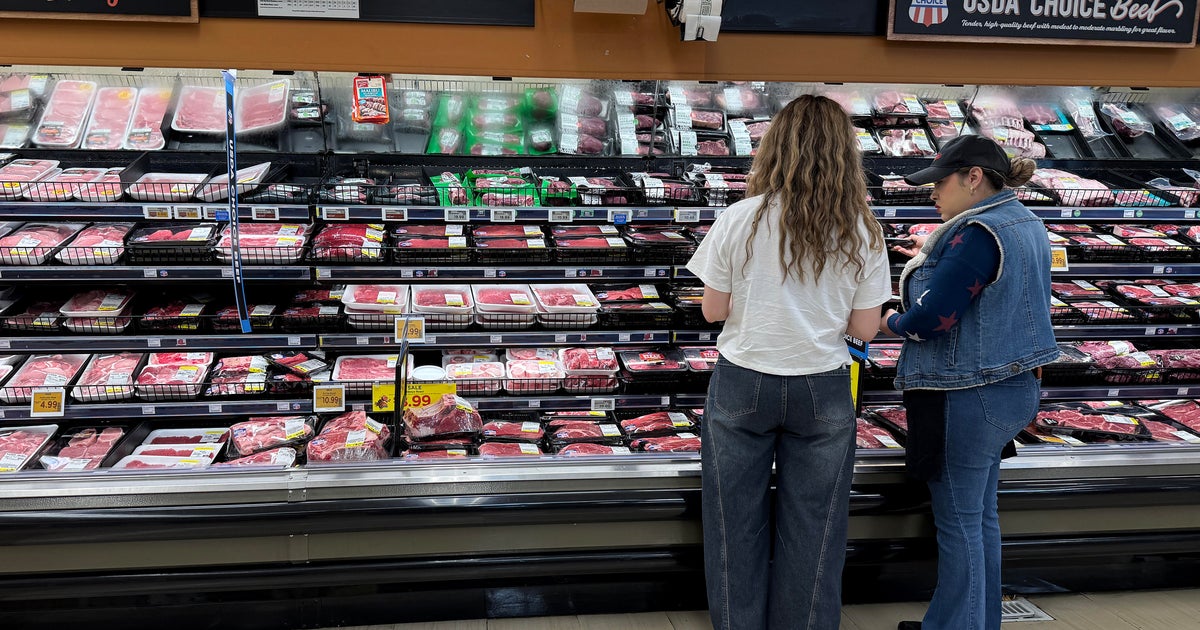
CBS News says more than 60% of the monthly increase came from energy prices. Gasoline was up 40.5% year over year, and the story links that jump to the Iran war and the closure of the Strait of Hormuz, which disrupted supply chains and lifted costs for fuel and airfare. Grocery inflation also remained a problem: food at home rose 2.7% annually, with tomato prices up 32%, lettuce nearly 25%, and coffee up 17.5%.
Fed policy gets harder
Core inflation, which strips out food and energy, rose 2.9%, slightly above April. That leaves the Federal Reserve with less room to ease policy quickly. The article says officials are expected to leave rates unchanged at the June 17 meeting while they judge whether the price spike is temporary or persistent. Market pricing, via CME Group's FedWatch tool, points to a 96% chance of no change.
Some prices eased
The report was not entirely one-sided. EY-Parthenon economist Gregory Daco said some categories fell for the first time in 14 months, including new vehicles, household furniture, and prescription drugs. The article also notes that gasoline prices eased somewhat in June, though that decline was not reflected in the May data. Even so, the broader picture is one of inflation still running hot enough to pressure consumers and force the Fed to stay cautious.
Key points
- U.S. CPI rose 4.2% in May, the highest annual rate since April 2023.
- Energy prices drove more than 60% of the monthly increase, according to the Labor Department.
- Gasoline was up 40.5% year over year, while food-at-home inflation stayed elevated.
- Core inflation rose to 2.9%, keeping pressure on the Federal Reserve.
- Markets expect the Fed to hold rates steady at its June 17 meeting.
If energy prices keep easing, the biggest source of pressure in the report could fade quickly. The article also says some goods, including new vehicles and furniture, fell in price, which could help slow inflation if it continues.
If the Iran-related energy shock lasts, prices for fuel, airfare, and groceries could stay elevated and keep squeezing households. That would also make it harder for the Fed to cut rates, and the article says some analysts even see a hike as a future possibility.