Inflation unexpectedly steady as food price rises slow
Inflation remained at 2.8% in the year to May, with food price rises slowing to a 17-month low. Transport costs rose by the fastest rate, while meat, dairy, and vegetable prices eased.
Intelligence analysis by Llama 3.3 70B
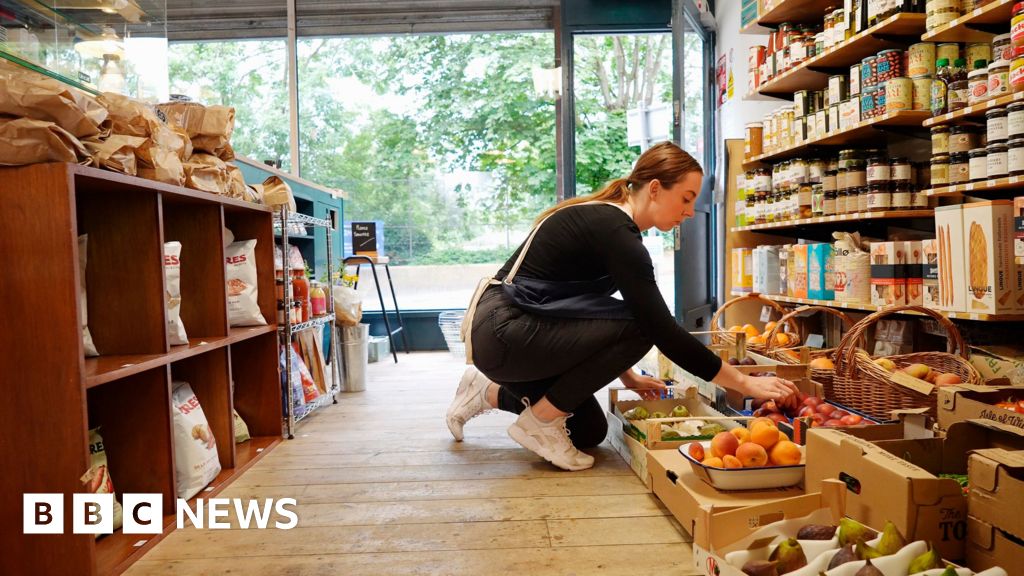
The UK's inflation rate has remained steady, despite expectations of a rise, due to slower food price increases and a peace deal between the US and Iran.
Imagine you have a piggy bank where you save money. Inflation is like a magic machine that makes the money in your piggy bank worth a little less each year. Right now, the machine is working at a steady pace, which means the money in your piggy bank is not losing value as quickly as expected.
Analysis
Inflation Trends Shift The UK's inflation rate has remained steady at 2.8% in the year to May, contrary to expectations of a rise to 3%. This is largely due to the slowing pace of food price rises, which has reached a 17-month low. The Office for National Statistics (ONS) reported that transport costs rose by the fastest rate, with motor fuels increasing by 24.6% compared to the same period last year. However, this was offset by lower food prices, with decreases in inflation seen across a range of meat, dairy, and vegetable items. According to Grant Fitzner, the ONS's chief economist, airfares, vehicle taxes, and petrol prices all contributed to the inflation rate. But the slowing food price rises have eased the pressure on households, and the British Retail Consortium (BRC) noted that the easing food inflation shows the British supermarket sector is highly competitive. ## Impact of the US-Iran Peace Deal The peace deal between the US and Iran is expected to have a significant impact on inflation. Analysts believe that the deal could lead to smaller increases in inflation, as the conflict in the Middle East had driven up prices globally. However, Charlotte O'Leary, associate economist at the National Institute of Economic and Social Research, cautioned that the lagged effects of higher oil prices are still feeding through, and that should the deal collapse, oil prices may rebound and reinstate upward pressure on inflation. The Chancellor, Rachel Reeves, stated that the government is protecting families and businesses from rising costs, with cuts in energy bills and freezes in fuel duty and rail fares. ## Interest Rate Decision Ahead The inflation figures come ahead of the Bank of England's next interest rate decision on Thursday. Economists widely expect the Bank to hold the core interest rate at its current level of 3.75%. The good news of slower food inflation has already been somewhat surpassed by the prospect of price rises slowing even further due to the US-Iran peace deal. Yael Selfin, chief economist at KPMG UK, said the new figures strengthen the case for a hold on interest rates by the Bank of England on Thursday, as underlying inflationary pressures have yet to show clear signs of strengthening.
Key points
- Inflation remained at 2.8% in the year to May
- Food price rises slowed to a 17-month low
- Transport costs rose by the fastest rate
- The US-Iran peace deal may lead to smaller increases in inflation
The steady inflation rate and slowing food price rises could lead to a decrease in the cost of living for households, and the US-Iran peace deal may lead to smaller increases in inflation. This could result in a more stable economic environment, which would be beneficial for businesses and families.
However, the lagged effects of higher oil prices are still feeding through, and should the US-Iran deal collapse, oil prices may rebound and reinstate upward pressure on inflation. This could lead to higher costs for households and businesses, and potentially impact the UK's economic plan to protect families and businesses from rising costs.