US firms that kept DEI policies despite ‘go woke, go broke’ threats thrived
New research indicates US companies maintaining Diversity, Equity, and Inclusion (DEI) policies after Donald Trump's executive order in January 2025 performed financially as well as those that rescinded them.
Intelligence analysis by Gemini 2.5 Flash Lite
Despite conservative backlash and threats of financial repercussions ('go woke, go broke'), US firms that retained their DEI initiatives after a 2025 executive order showed no negative impact on stock market performance, with some even outperforming competitors who scaled back.
Imagine some grown-ups told companies they'd lose money if they were nice to everyone and made sure everyone felt included. But when a big boss tried to force them to stop being nice, the companies that kept being nice actually did just as well, and sometimes even better, than the ones who stopped.
Analysis
Jacob Grumbach's Analysis
Jacob Grumbach, an associate professor at UC Berkeley’s Goldman School of Public Policy, conducted an in-depth analysis of S&P 500 companies following Donald Trump's executive order in January 2025, which aimed to dismantle DEI within the federal government and implicitly threatened private sector adherence. Grumbach's research focused on "abnormal returns," a metric used by economists to measure stock performance deviation from expected outcomes. This allowed him to isolate the financial impact of a company's decision regarding its DEI policies. The findings were significant: firms that maintained their DEI practices or successfully voted down anti-DEI shareholder resolutions demonstrated financial performance on par with companies that did not. Crucially, in the immediate aftermath of the executive orders, companies that upheld their DEI commitments actually saw better stock market performance than those that did not.
'Go Woke, Go Broke' Movement
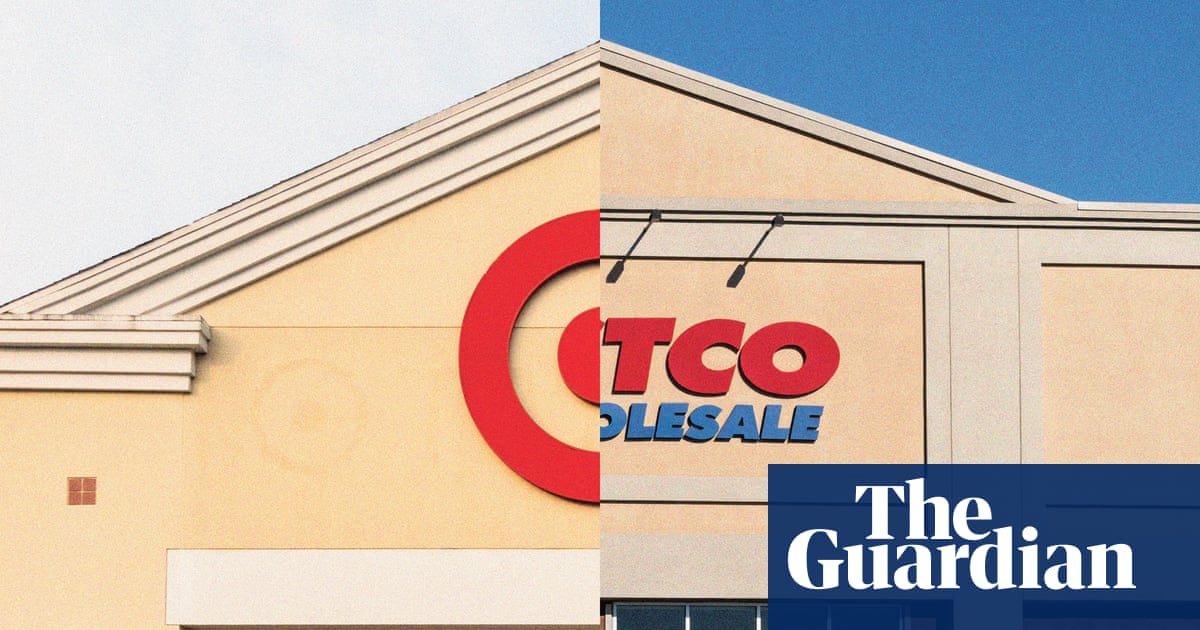
The "go woke, go broke" movement gained considerable traction in 2023, fueled by a series of high-profile conservative boycotts against corporations. Incidents involving Bud Light, Target, and Ron DeSantis's conflict with Disney highlighted the potential for consumer backlash against companies perceived as embracing progressive social stances. This sentiment was further amplified by the US supreme court's ruling in 2023 that race-conscious admissions in higher education were unconstitutional, which created a climate of fear and uncertainty regarding the legality and sustainability of DEI policies in the workplace. David Glasgow, executive director of the Meltzer Center for Diversity, Inclusion and Belonging at NYU Law, noted that Trump's second term presidency "poured fuel on an already raging fire," prompting many companies to quietly abandon their DEI commitments made in the wake of George Floyd's murder.
Corporate Leeway and Noncompliance
Despite the intense political pressure and the perceived risks, the research suggests that large US corporations possess significant leeway to resist executive branch directives without suffering adverse financial consequences. Many companies, rather than outright eliminating DEI, engaged in a "messy middle" approach, adjusting certain aspects, rebranding others, or selectively deleting components to navigate legal and regulatory environments. Grumbach's methodology, which involved analyzing news coverage, shareholder proposals, and data from activist groups like DEI Watch, consistently revealed that upholding DEI promises had no discernible negative impact on financial performance. This finding extends beyond DEI, illustrating that organizations can successfully resist authoritarian policies and executive pressure, demonstrating a capacity for "noncompliance" that ultimately does not harm their financial standing.
Key points
- US firms that maintained DEI policies after a 2025 executive order did not suffer financially.
- Research by Jacob Grumbach analyzed S&P 500 companies' stock performance post-executive order.
- Companies upholding DEI policies performed as well as, or better than, those that rescinded them.
- The 'go woke, go broke' movement faced challenges as DEI retention showed no negative financial impact.
- Corporations have leeway to resist political pressure without harming financial outcomes.
Companies that prioritize and maintain their DEI policies can continue to foster inclusive environments without fear of negative financial repercussions. This approach may even lead to better stock performance and demonstrate resilience against political pressures, encouraging broader adoption of such practices.
Despite evidence to the contrary, companies may still face significant backlash from specific consumer segments or political groups, potentially leading to short-term financial dips or reputational damage if not managed carefully. The legal landscape surrounding DEI also remains complex and subject to change.