Tougher crops and beaver dams: how UK farmers are tackling drought
UK farmers are experimenting with new tactics to tackle drought, including drought-resistant crops, beaver dams, and ponds to store water. The changing climate is requiring farmers to diversify and grow different crops, such as legumes, which are resilient to hot and dry …
Intelligence analysis by Llama
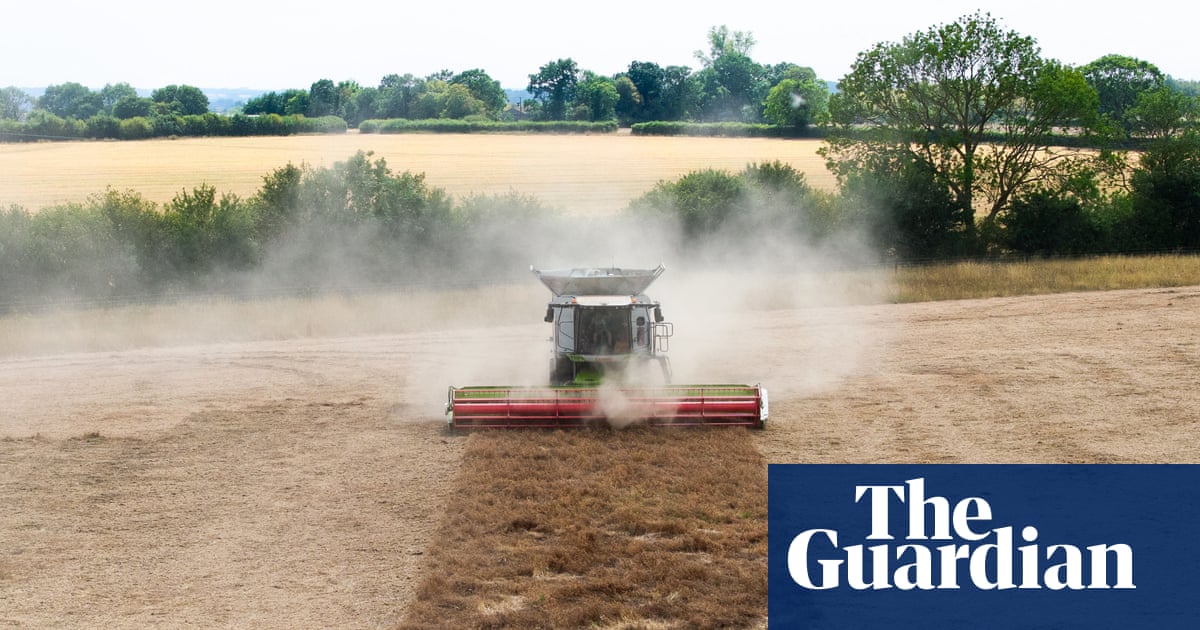
UK farmers are turning to novel solutions to cope with drought, including drought-resistant crops, beaver dams, and ponds to store water. The changing climate is requiring farmers to diversify and grow different crops, such as legumes, which are resilient to hot and dry conditions.
Imagine you're a farmer, and it's really hot and dry outside. You need to find ways to make your crops and animals survive. Some farmers are using special crops that can handle the heat and dryness, like beans and peas. Others are building ponds and dams to store water, so they can use it when it's dry. It's like having a special water bottle for your farm!
Analysis
Drought-Tolerant Crops: A New Hope for UK Farmers
As the climate crisis brings more extreme weather to Britain, farmers are experimenting with new tactics to tackle drought. One such solution is the use of drought-resistant crops, such as legumes, which are resilient to hot and dry conditions. Legumes, a large family of plants including beans, peas, chickpeas, and lentils, are being considered as a potential answer to the changing climate. They require hot, dry conditions and could boost the UK's food security.
Beaver Dams and Ponds: Managing Water Resources
Another innovative approach is the use of beaver dams and ponds to store water. By creating ponds and scrapes on their land, farmers can store water during the winter and feed it into a larger winter lagoon. This not only helps to manage flooding but also provides a source of water for irrigation during the summer. The Smith family's West Pikefish Farm, for example, has created ponds and scrapes on their land to store water and reduce the risk of flooding.
Improving Soils and Digging Ponds
Improving the health of soils is also crucial for farmers to hold more water. By focusing on soil health, farmers can create a more resilient landscape that can withstand extreme weather conditions. Martin Lines, an arable farmer and leader of the Nature Friendly Farming Network, believes that farmers should assess their annual water needs and how much rainfall they can store. He suggests that farmers should connect up to local drainage and rivers and use digital flow sensors to manage the flow of water.
A New Era for UK Farming
The changing climate is requiring farmers to adapt to new conditions, and finding novel solutions to tackle drought is crucial for food security and the environment. By experimenting with new tactics, such as drought-resistant crops, beaver dams, and ponds, farmers can create a more resilient landscape that can withstand extreme weather conditions. As the climate crisis continues to bring more extreme weather to Britain, it is essential that farmers continue to innovate and find new ways to adapt to the changing climate.
Key points
- UK farmers are experimenting with new tactics to tackle drought, including drought-resistant crops and beaver dams.
- Drought-resistant crops, such as legumes, are being considered as a potential answer to the changing climate.
- Beaver dams and ponds can be used to store water and reduce the risk of flooding.
- Improving soil health is crucial for farmers to hold more water.
- Farmers should assess their annual water needs and how much rainfall they can store.
If farmers continue to innovate and find new ways to adapt to the changing climate, they may be able to grow more crops and raise more animals, even in the face of drought. This could lead to increased food security and a more resilient food system.
If farmers are unable to adapt to the changing climate, they may face significant challenges in growing crops and raising animals, leading to food shortages and economic losses.