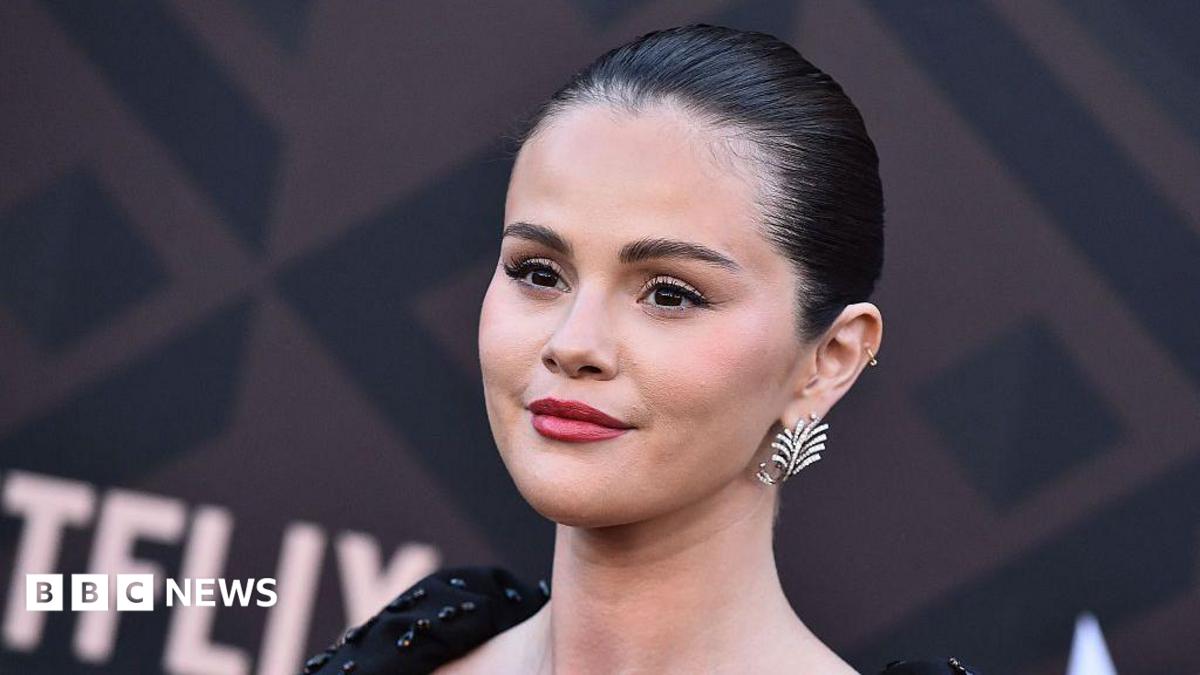
Selena Gomez sued for alleged fraud over mental health company
Hollywood actress and singer Selena Gomez is being sued by five investors who claim she failed to fulfill her duties for Wondermind Global, a mental health business she co-founded.
Intelligence analysis by Gemini 2.5 Flash
Investors in Wondermind Global, a mental health platform co-founded by Selena Gomez, are suing her for alleged fraud, claiming her "abject dereliction of her duties" led to the company's "financial calamity." The lawsuit seeks to recover approximately $1.2 million in investments, alleging Gomez did not actively build the brand as promised.
Imagine a famous singer started a company called Wondermind to help kids learn about their feelings, like a special club. Some grown-ups gave money to help start it because they thought the singer would be very involved and make it super popular. But now, those grown-ups are saying the singer didn't do her job, and the club isn't doing well, so they're suing her to get their money back because they feel tricked.
Analysis
The lawsuit against Selena Gomez and her co-founders for alleged fraud concerning Wondermind Global brings to light critical issues within the startup landscape, especially those leveraging celebrity influence. The core of the complaint revolves around the investors' belief that Gomez, despite her contractual obligations, failed to actively engage in building the brand, leading to significant financial distress for the company. This situation raises questions about the perceived value versus actual commitment in celebrity endorsements and co-founding roles.
Wondermind Global
Wondermind Global was established with the commendable goal of making mental health-related content more accessible through a digital platform. The venture attracted investors based on promises of a robust operational plan, including a "full slate" of ad deals, celebrity cover stories, and a dedicated app, with Gomez positioned as the head of marketing. However, the lawsuit alleges that these initiatives never materialized, and the company struggled to meet even basic obligations, such as paying employees and vendors on time. This paints a picture of a startup that, despite its noble mission and high-profile backing, allegedly lacked the foundational execution and oversight necessary for success.
The investors claim they were kept in the dark about the company's deteriorating financial state for three years, only becoming aware of the issues after an investigative news story surfaced in September 2025. This delay in transparency is a significant point of contention, suggesting a potential failure in corporate governance and communication with stakeholders. The allegations that Wondermind had no clear plan for its future, let alone a path to a multi-billion dollar valuation, directly challenge the initial representations made to secure investment.
Selena Gomez
Selena Gomez, a globally recognized figure with over 500 million social media followers and an estimated net worth of nearly $1 billion, was a pivotal draw for Wondermind. Her public discussions about her own mental health struggles, including bipolar disorder, lent authenticity and a powerful personal narrative to the platform's mission. The lawsuit, however, contends that Gomez "purported to sign a contract obligating her to perform and then ignored it," leading to her "abject dereliction of her duties." This alleged lack of active involvement from such a high-profile co-founder is central to the investors' claims of fraud.
Her role as a co-founder and promised head of marketing was undoubtedly a key factor in attracting the $1.2 million in investments now sought for recovery. The discrepancy between the promised active engagement and the alleged non-performance highlights the inherent risks when a company's value proposition is heavily tied to a celebrity's personal brand and commitment. While Gomez has successfully launched other ventures, such as Rare Beauty, the Wondermind case suggests a potential failure in translating celebrity appeal into sustained operational leadership and brand building.
Brent Saunders
The lawsuit includes Brent Saunders, the chief executive of eye-health company Bausch + Lomb, among the five investors based in New York and Florida. Saunders and the other claimants are seeking to recover their approximately $1.2 million investment, along with costs and damages. Their involvement underscores that even sophisticated investors can face significant challenges when backing ventures, particularly those with a strong celebrity component where the celebrity's actual operational commitment might be less than advertised. The presence of such a prominent business figure among the claimants lends weight to the seriousness of the allegations.
The investors' complaint details a pattern of alleged misrepresentation and a lack of transparency, claiming they were unaware of the company's difficulties until an investigative news story by The Cut surfaced. This suggests a breakdown in trust and communication between the founders and their financial backers. The legal action by Saunders and his co-claimants serves as a stark reminder of the importance of robust due diligence, clear contractual agreements, and ongoing oversight in any investment, especially when a company's perceived value is significantly influenced by a celebrity's name and image.
Key points
- Selena Gomez is being sued by five investors over alleged fraud related to Wondermind Global, a mental health company she co-founded.
- Investors claim Gomez failed to fulfill promises of actively building the brand, leading to the company's "financial calamity."
- The lawsuit seeks to recover approximately $1.2 million in investments, along with costs and damages.
- Allegations include false representations about ad deals, celebrity cover stories, and an app that never materialized.
- Investors, including Bausch + Lomb CEO Brent Saunders, claim they were unaware of the company's difficulties until a 2025 news story.
This lawsuit could prompt greater scrutiny and clearer contractual agreements for celebrity-backed ventures, leading to more transparent operations and better protection for investors in the future. It might also encourage celebrities to be more discerning about their commitments, ensuring genuine engagement with the businesses they co-found.
The allegations of fraud and financial mismanagement could damage Wondermind's reputation beyond repair, potentially deterring future investment in mental health tech startups. It also highlights the significant risks investors face when relying on celebrity endorsements without robust operational oversight and clear accountability.