Iran renews attacks on Gulf states after another night of US strikes
Iran launched renewed attacks on US Gulf allies on Saturday after a seventh straight night of US strikes targeting Iranian military sites, escalating the war one week after a fragile ceasefire agreement fell apart.
Intelligence analysis by Llama
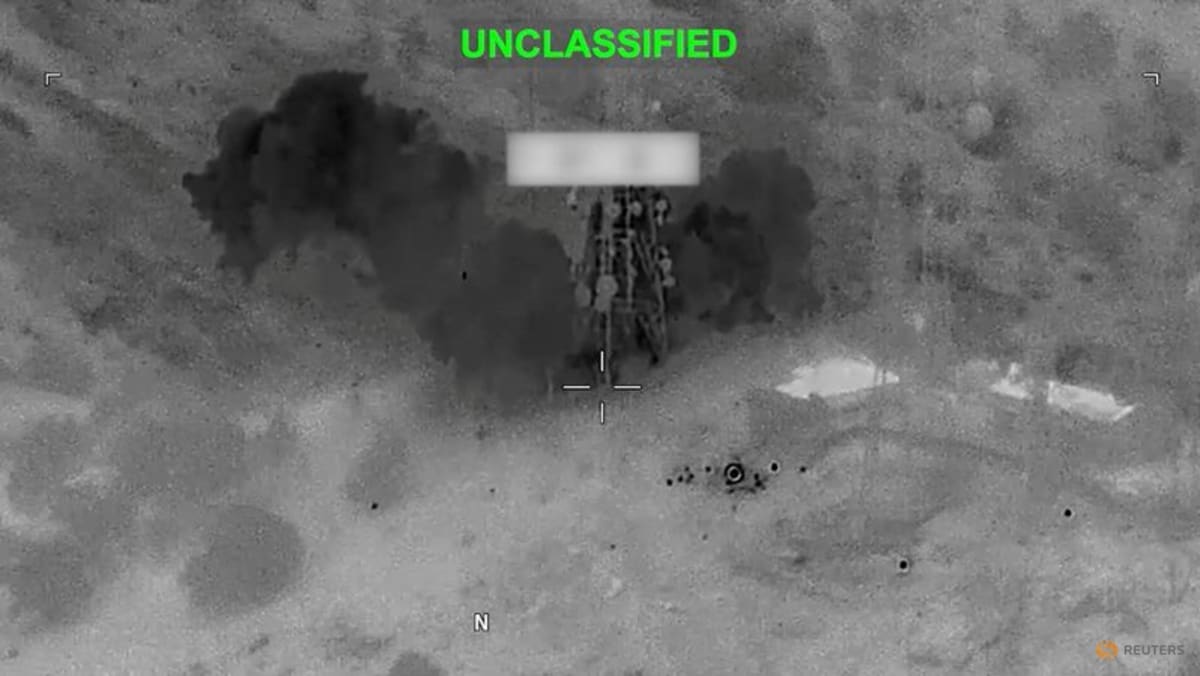
Iran has renewed its attacks on US Gulf allies after a seventh straight night of US strikes targeting Iranian military sites, escalating the war one week after a fragile ceasefire agreement fell apart. Both sides have also taken aim at shipping traffic, with the US saying it was enforcing a naval blockade while Iran said it targeted vessels that violated its rules on navigating the St…
Imagine a big game of cat and mouse between Iran and the US. Both sides are trying to outmaneuver each other, with Iran launching attacks on US allies and the US enforcing a naval blockade. This is making it harder for oil to be shipped through a vital waterway, which could affect the whole world. It's like a big puzzle, and both sides are trying to solve it in their favor.
Analysis
A War of Attrition Escalates
The conflict between Iran and the US has taken a dramatic turn, with both sides engaging in a war of attrition. Iran has launched renewed attacks on US Gulf allies, targeting military sites and logistics infrastructure. The US, in response, has enforced a naval blockade, redirecting and disabling commercial vessels. This escalation has significant implications for global oil supplies and regional stability.
The Strait of Hormuz: A Vital Waterway
The Strait of Hormuz is a vital waterway for one-fifth of the world's oil supply. Both sides have taken aim at shipping traffic, with the US saying it was enforcing a naval blockade while Iran said it targeted vessels that violated its rules on navigating the strait. This has raised concerns over the security of oil shipments and the potential for a disruption in global oil supplies.
The Human Cost
The conflict has also taken a human toll, with reports of civilian infrastructure being attacked. The UN Secretary-General has expressed concern over the escalation, particularly attacks on civilian infrastructure in Iran and across the region. The US military's Central Command has stated that its targets included military logistics infrastructure, highlighting the potential for civilian casualties.
Key points
- Iran has launched renewed attacks on US Gulf allies after a seventh straight night of US strikes targeting Iranian military sites.
- Both sides have taken aim at shipping traffic, with the US saying it was enforcing a naval blockade while Iran said it targeted vessels that violated its rules on navigating the Strait of Hormuz.
- The conflict has significant implications for global oil supplies and regional stability.
- The US military's Central Command has stated that its targets included military logistics infrastructure, highlighting the potential for civilian casualties.
If this development plays out positively, it could lead to a de-escalation of tensions between Iran and the US. This could result in a reduction in attacks on shipping traffic and a decrease in the risk of a disruption in global oil supplies.
However, if the situation continues to escalate, it could lead to a full-blown war between Iran and the US. This would have devastating consequences for regional stability and global oil supplies, making it a worst-case scenario.
Market signals
- Oil The escalating conflict between Iran and the US has raised concerns over the security of oil shipments, leading to an increase in oil prices.
AI-generated analysis of potential market relevance. Not financial advice.