Iran Says It Targeted US Bases in Three Countries; 'Next Steps Will Begin'
Iran's Revolutionary Guard Corps (IRGC) has announced that it has targeted US military bases in three countries in the region, including Bahrain, Kuwait, and Jordan. The IRGC has stated that the operation is focused on destroying US military infrastructure in the region. …
Intelligence analysis by Llama
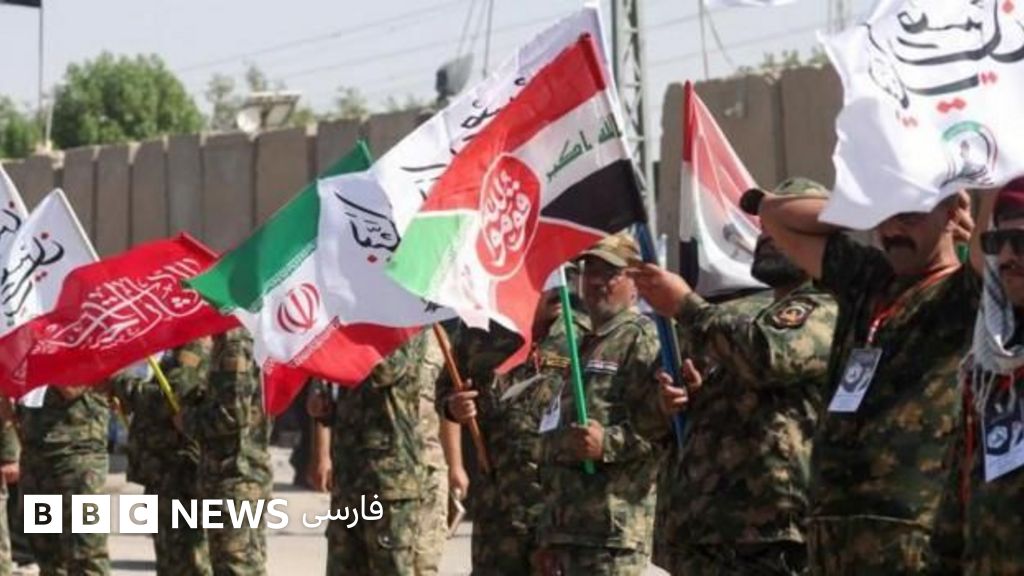
Iran's Revolutionary Guard Corps has targeted US military bases in three countries, including Bahrain, Kuwait, and Jordan. The US has responded with a wave of attacks on Iranian targets. The situation remains tense, with both sides engaging in a war of words.
Imagine you're playing a game of chess with your friend. You both make moves, and sometimes you get angry and want to hurt each other. That's kind of what's happening between the US and Iran right now. They're making moves, and it's getting more and more tense. The US is trying to hurt Iran's ability to make money from oil, and Iran is trying to hurt the US's ability to make money from oil. It's a big game of cat and mouse, and it's not clear who will win in the end.
Analysis
A New Chapter in US-Iran Tensions
The recent escalation of tensions between the US and Iran has brought the region to the brink of war. The US has imposed sanctions on Iran, which has responded by targeting US military bases in three countries, including Bahrain, Kuwait, and Jordan. The situation has been further complicated by the US's decision to withdraw from the Iran nuclear deal, which has led to a significant increase in tensions between the two countries.
The US has responded to Iran's actions by launching a wave of attacks on Iranian targets, including a six-hour barrage on several locations in Iran. The US has stated that its goal is to reduce Iran's ability to threaten shipping in the Strait of Hormuz, a critical waterway for global trade. However, Iran has vowed to continue its military operations, stating that it will not be deterred by the US's actions.
The situation remains tense, with both sides engaging in a war of words. The US has accused Iran of being responsible for a series of attacks on oil tankers in the region, while Iran has denied any involvement. The US has also imposed sanctions on several Iranian officials, including the head of the IRGC, which has further escalated tensions.
The implications of this conflict are significant. The US and Iran have been engaged in a proxy war in the region for years, with the US supporting anti-Iranian groups and Iran supporting anti-US groups. The recent escalation of tensions has the potential to disrupt global trade and has already led to a spike in oil prices.
The international community has been watching the situation closely, with several countries, including Russia and China, calling for a peaceful resolution to the conflict. However, the situation remains tense, and it is unclear what the future holds for the region.
The Economic Implications of the Conflict
The conflict between the US and Iran has significant economic implications for the region and the global economy. The US has imposed sanctions on Iran, which has led to a significant decrease in Iran's oil exports. The US has also imposed sanctions on several Iranian officials, including the head of the IRGC, which has further escalated tensions.
The conflict has already led to a spike in oil prices, which has had a significant impact on the global economy. The price of oil has increased by over 10% in the past week, which has led to a significant increase in the cost of goods and services.
The conflict also has significant implications for the global economy. The US and Iran are two of the largest oil producers in the world, and the conflict has the potential to disrupt global trade. The conflict has also led to a significant increase in the cost of goods and services, which has had a significant impact on the global economy.
The Future of the Conflict
The future of the conflict between the US and Iran is uncertain. The US has stated that it will continue to impose sanctions on Iran, which has led to a significant increase in tensions between the two countries. Iran has vowed to continue its military operations, stating that it will not be deterred by the US's actions.
The international community has been watching the situation closely, with several countries, including Russia and China, calling for a peaceful resolution to the conflict. However, the situation remains tense, and it is unclear what the future holds for the region.
The conflict has significant implications for the region and the global economy. The US and Iran have been engaged in a proxy war in the region for years, with the US supporting anti-Iranian groups and Iran supporting anti-US groups. The recent escalation of tensions has the potential to disrupt global trade and has already led to a spike in oil prices.
Key points
- The US has imposed sanctions on Iran, which has led to a significant decrease in Iran's oil exports.
- Iran has targeted US military bases in three countries, including Bahrain, Kuwait, and Jordan.
- The US has responded with a wave of attacks on Iranian targets, including a six-hour barrage on several locations in Iran.
- The situation remains tense, with both sides engaging in a war of words.
- The conflict has significant implications for the region and the global economy.
If the US and Iran can find a way to resolve their differences peacefully, it could lead to a significant decrease in tensions and a return to normalcy in the region. This could also lead to a decrease in oil prices and a boost to the global economy.
If the US and Iran continue to escalate their conflict, it could lead to a significant increase in violence and a disruption to global trade. This could also lead to a significant increase in oil prices and a negative impact on the global economy.