Iran War: Iran States Demands to US for Reopening Strait of Hormuz
Iran has presented six stringent conditions to the United States for reopening the Strait of Hormuz, a critical global chokepoint for oil and gas, dampening hopes for a swift resolution.
Intelligence analysis by Gemini 2.5 Flash
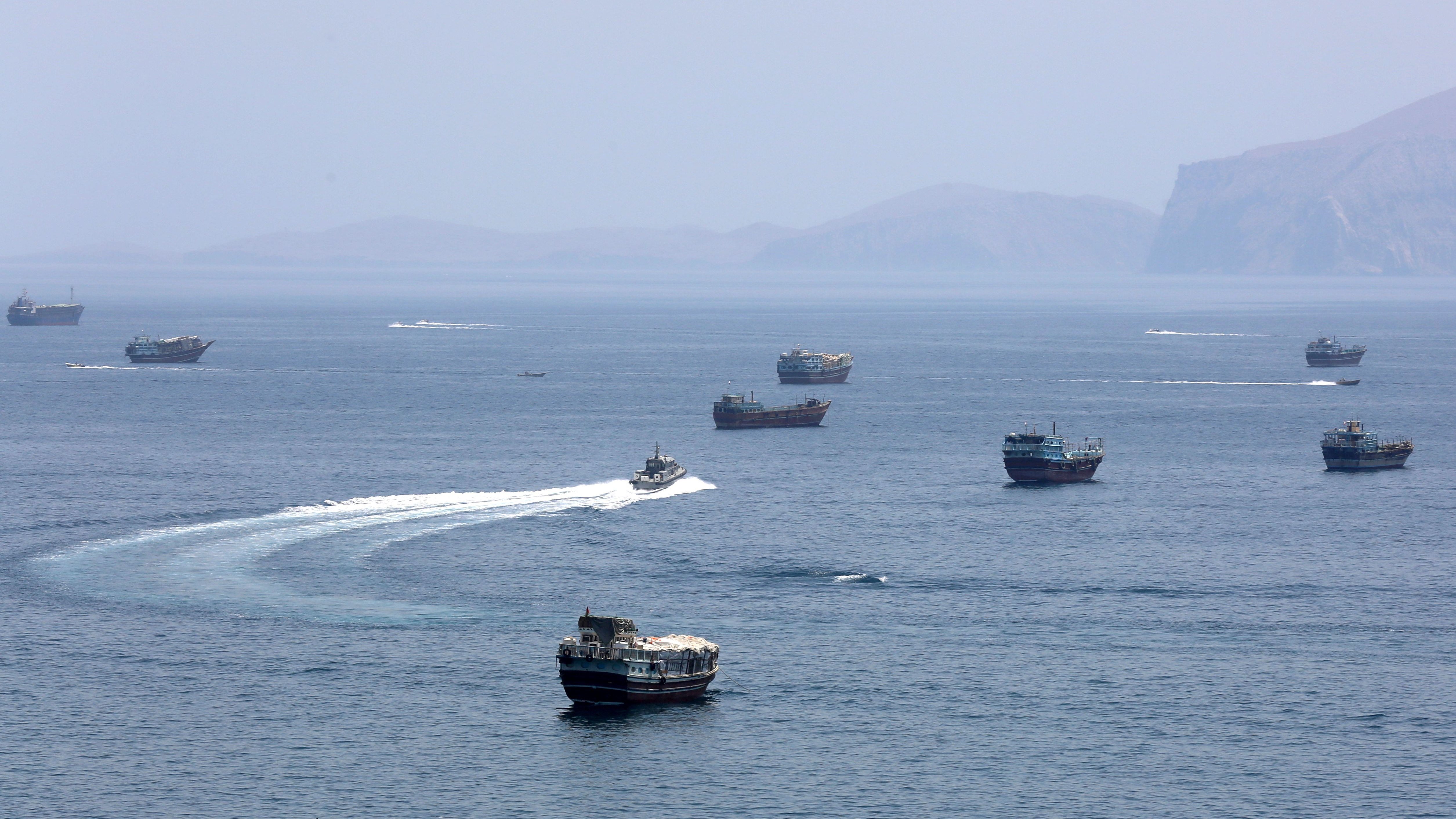
Tehran's National Security Council demands an end to US threats and sanctions, withdrawal of forces, and financial compensation as prerequisites for unblocking the Strait of Hormuz. These conditions, previously linked to a broader nuclear deal, now specifically target the strait's reopening, complicating US diplomatic and military efforts to restore pre-war shipping levels.
Imagine a super important water road where big ships carry lots of oil and gas for cars and homes all over the world. A country called Iran has closed this road and says it will only open it if the USA agrees to many big things, like stopping threats and lifting punishments. It's like two friends arguing over a shared toy, but this toy is super important for everyone's energy, and if they can't agree, things could get tricky and expensive for many people.
Analysis
The ongoing standoff over the Strait of Hormuz represents a critical juncture in US-Iran relations, with profound implications for global energy security. Iran's explicit demands underscore its leverage over a waterway through which approximately one-fifth of the world's oil and a significant portion of liquefied natural gas pass. The article highlights that these conditions are not new, having been previously tied to a comprehensive nuclear agreement, but their re-framing as prerequisites solely for the strait's reopening signals a hardening of Tehran's negotiating position and a strategic move to maximize its advantage.
Strait of Hormuz
The Strait of Hormuz is a narrow, strategically vital waterway connecting the Persian Gulf to the Gulf of Oman and the open sea. Its closure since February, following the outbreak of conflict, has severely disrupted international shipping, particularly for oil and gas tankers. The United States has reportedly struggled to reopen the strait, employing neither military force nor diplomatic efforts successfully, indicating the complexity and intractability of the current situation. This prolonged blockade underscores Iran's capacity to exert significant pressure on global energy markets and international trade routes.
National Security Council
Iran's National Security Council, the country's highest decision-making body for foreign, defense, intelligence, and internal security policy, has outlined six non-negotiable conditions for the strait's reopening. These include an end to all US threats, a permanent cessation of hostilities against Iran and its allies, the lifting of naval blockades and withdrawal of US forces, full financial compensation for war damages, a complete lifting of all sanctions, and the unconditional release of frozen Iranian assets. The Council, dominated by hardliners, ensures that any agreement would require confirmation from Supreme Leader Mojtaba Khamenei, suggesting a unified and firm stance from Tehran's leadership.
JD Vance
US Vice President JD Vance's remarks to Fox News, suggesting US involvement in talks between Iran and Oman, contrast sharply with Iranian Foreign Minister Abbas Araghtschi's assertion that direct negotiations with the US are not occurring. Vance's stated goal of restoring pre-war oil and gas transport levels through the strait, coupled with his admission of US distrust in Iranian promises, highlights the deep chasm between the two sides. Experts like Barak Ravid, Aaron David Miller, Danny Citrinowicz, and Raz Zimmt concur that the US is unlikely to accept Iran's extensive demands, pushing President Trump towards a difficult choice between military escalation and significant concessions, with potentially high economic and strategic costs.
Key points
- Iran has issued six stringent demands to the US for reopening the Strait of Hormuz.
- These conditions include ending US threats, lifting sanctions, withdrawing forces, and financial compensation.
- The US has so far failed to reopen the vital waterway through military or diplomatic means.
- Experts believe the US will not accept Iran's demands, raising the risk of military escalation.
- The Strait of Hormuz is crucial, handling about one-fifth of global oil and significant liquefied natural gas transport.
If diplomatic channels, potentially through Omani mediation, lead to a breakthrough where the US and Iran find common ground on some conditions, the Strait of Hormuz could reopen. This would stabilize global oil and gas markets, de-escalate regional tensions, and prevent further economic disruption, restoring crucial energy flows.
The US's likely rejection of Iran's extensive demands could lead to further military escalation, as suggested by experts, potentially triggering a wider conflict in the Middle East. This would severely disrupt global energy supplies, drive up prices, and have significant negative economic and strategic consequences worldwide.
Market signals
- OIL Continued closure or military escalation in the Strait of Hormuz, a vital oil transit route, would restrict supply and drive up prices.
- NG Disruption to liquefied natural gas transport through the Strait of Hormuz would impact global gas supplies and prices.
AI-generated analysis of potential market relevance. Not financial advice.