Iranian forces target Bahrain and Kuwait after US hits Iran's south
US strikes in southern Iran sparked Iranian attacks on Bahrain, Kuwait and Jordan, while tanker incidents in Hormuz raised fresh energy and shipping fears.
Intelligence analysis by GPT-5.4 Mini
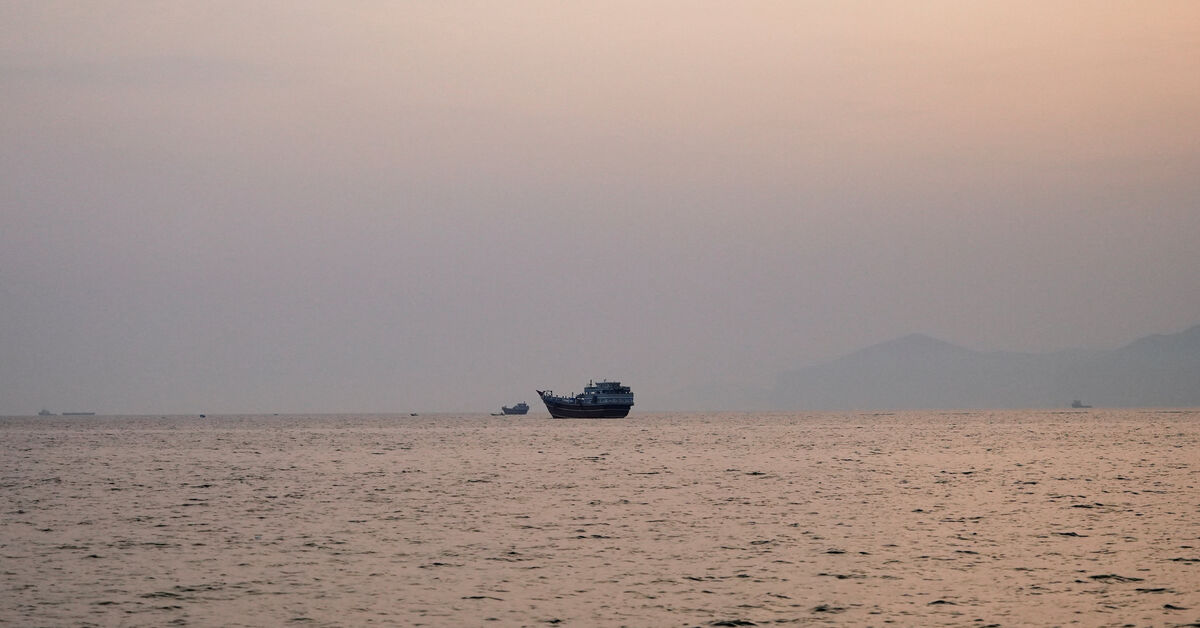
The article frames a widening Gulf exchange: US strikes hit southern Iran, Iran answered with drone and site attacks across Bahrain, Kuwait and Jordan, and tanker incidents added pressure on one of the world’s most important shipping lanes.
It is like two kids throwing balls near a water pipe and a busy road at the same time. One side hits back, more places get splashed, and everyone worries the whole neighborhood could lose water and traffic could stop.
Analysis
A Gulf Exchange Spilling Beyond Iran
The article describes a fast-moving retaliation cycle in which US strikes in southern Iran were followed by Iranian attacks on targets in Bahrain, Kuwait, and Jordan. That matters because the conflict is no longer confined to one front; it is widening across the Gulf and nearby Arab states.
Reuters also notes that the reported strikes touched both military and civilian-adjacent infrastructure, including accommodation used by US personnel and a site linked by Iran to Amazon in Bahrain. The reporting cannot independently verify every incident, but the pattern itself points to a deliberate attempt to widen pressure without waiting for a formal ceasefire to hold.
Shipping Lanes as the Real Pressure Point
The article repeatedly ties the violence to the Strait of Hormuz and the Bab el-Mandeb gateway, two choke points that shape global energy flows. Tanker incidents, a reported blockade threat from Yemen’s Houthis, and coalition protection measures all turn the maritime map into a battleground.
That is why the article spends so much time on oil supply figures. Even when prices eased slightly, the underlying message is that markets are watching the risk of disruption more than the current headlines, because the damage from a closure or sustained attacks would travel far beyond the Gulf.
Diplomacy Still Hanging By a Thread
Even as the conflict escalates, the article says there are signs both Tehran and Washington want to resume diplomacy, including a proposed 10-day ceasefire and Pakistan’s renewed mediation role. That tension between escalation and bargaining is the story’s core political contradiction.
The fragile peace effort appears badly damaged, but not yet dead. If talks restart, they would likely be driven less by trust than by the cost of continuing war: rising troop deaths, pressure on gasoline prices, and the danger that more regional actors get pulled in.
Key points
- US strikes hit targets in southern Iran, according to the article and Reuters reporting.
- Iran responded with attacks reported in Bahrain, Kuwait, and Jordan.
- The article says tanker incidents in the Strait of Hormuz raised new shipping fears.
- Houthis threatened a naval blockade on Saudi Arabia, opening another possible front.
- Diplomatic efforts continue, including a proposed 10-day ceasefire and Pakistan mediation.
If the reported mediation efforts hold, a short ceasefire could slow the cycle of strikes and give both sides room to negotiate. That would also ease pressure on shipping routes and reduce the risk of broader damage to civilian infrastructure.
If the tit-for-tat attacks continue, the conflict could spread further across the Gulf and pull in more countries and military sites. The biggest risk is that shipping lanes and energy facilities suffer more disruption, which would deepen the war’s economic impact far beyond the region.
Market signals
- OIL The article links the fighting and shipping threats to potential disruptions in Hormuz and Bab el-Mandeb, both of which can tighten global oil supply.
AI-generated analysis of potential market relevance. Not financial advice.