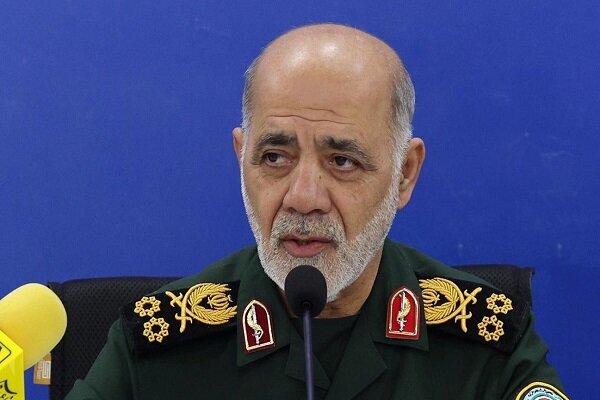
Iran's Power Struggle in the Shadow of 'Messages from Ebrahim Raisi'
The Iranian government's power struggle has intensified, with the Supreme National Security Council (Shoram) at the center of the controversy. The council's role in decision-making has been questioned, and its members have been targeted by critics. The situation has been …
Intelligence analysis by Llama
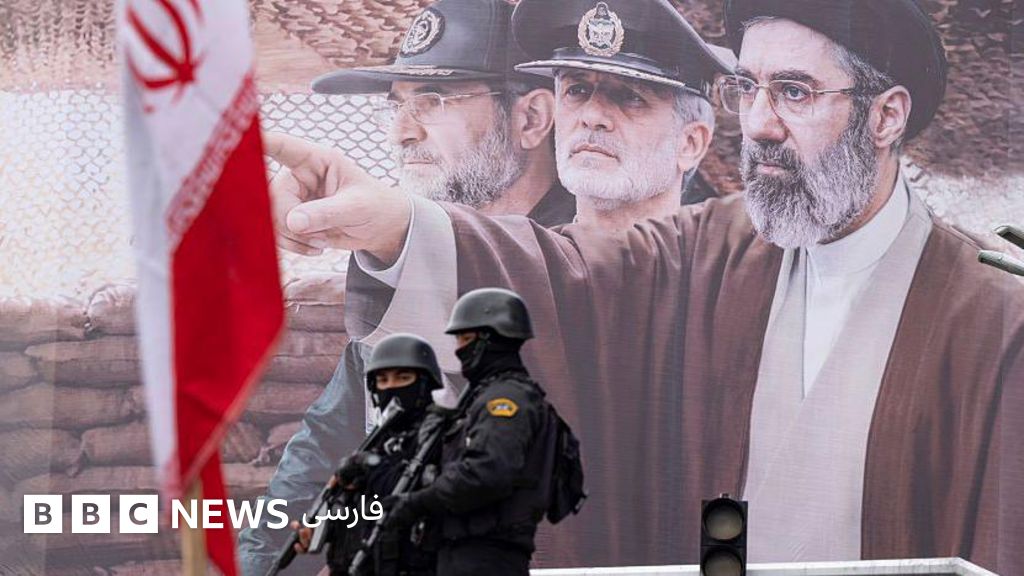
The Iranian government's power struggle has intensified, with the Supreme National Security Council (Shoram) at the center of the controversy. The council's role in decision-making has been questioned, and its members have been targeted by critics. The situation has been further complicated by the release of messages attributed to Ebrahim Raisi, the Supreme Leader, which have been use…
Imagine a big team of people who make important decisions for Iran. They're called the Supreme National Security Council. But some people don't agree with the decisions they're making, and they're getting angry. It's like a big argument between different groups of people who want to control the country's decisions.
Analysis
A Power Struggle in the Shadows of the Supreme Leader
The Iranian government's power struggle has intensified, with the Supreme National Security Council (Shoram) at the center of the controversy. The council's role in decision-making has been questioned, and its members have been targeted by critics. The situation has been further complicated by the release of messages attributed to Ebrahim Raisi, the Supreme Leader, which have been used to justify the council's actions.
The messages, which were released after the signing of the Iran-US agreement in Islamabad, have been used to justify the council's actions and to criticize those who opposed the agreement. The messages have been seen as a way for the Supreme Leader to exert his influence over the council and to shape the country's domestic and foreign policies.
The power struggle in Iran has significant implications for the country's domestic and foreign policies. The Supreme National Security Council plays a crucial role in decision-making, and its actions have a direct impact on the country's relations with other nations. The council's role in the power struggle has been questioned, and its members have been targeted by critics. The situation has been further complicated by the release of messages attributed to Ebrahim Raisi, the Supreme Leader, which have been used to justify the council's actions.
The messages have been seen as a way for the Supreme Leader to exert his influence over the council and to shape the country's domestic and foreign policies. The power struggle in Iran has significant implications for the country's domestic and foreign policies, and the Supreme National Security Council plays a crucial role in decision-making.
Key points
- The Iranian government's power struggle has intensified, with the Supreme National Security Council (Shoram) at the center of the controversy.
- The council's role in decision-making has been questioned, and its members have been targeted by critics.
- The situation has been further complicated by the release of messages attributed to Ebrahim Raisi, the Supreme Leader, which have been used to justify the council's actions.
If the power struggle in Iran is resolved, it could lead to a more stable and secure country. The Supreme National Security Council could work more effectively, and the country's relations with other nations could improve.
If the power struggle in Iran continues, it could lead to more instability and conflict. The Supreme National Security Council could become even more divided, and the country's relations with other nations could deteriorate.