Qatar claims it has no information on fate of Iranian pilots
Iran's Army spokesman stated that Qatar claims to have no information regarding three Iranian Air Force pilots who went missing after a strike on a US military base in Qatar, urging Doha to cooperate.
Intelligence analysis by Gemini 2.5 Flash

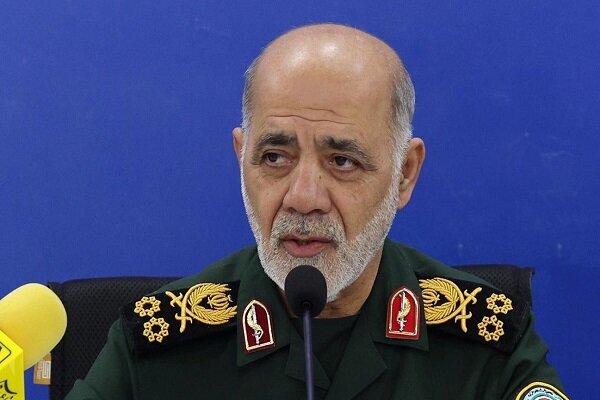
Brigadier General Mohammad Akraminia, the Iranian Army spokesman, has publicly called on Qatar to fulfill its international obligations and provide information on the whereabouts of three Iranian Air Force pilots who disappeared following an operation targeting a US military facility in Qatar.
Imagine some pilots from Iran went on a secret mission and disappeared after something happened at a big American air base in Qatar. One pilot's family found out he was gone for good, but three others are still missing. Iran is now asking Qatar, the country where the base is, to help find out what happened to them, but Qatar says it doesn't know anything. It's like playing hide-and-seek, but with very serious consequences, and one team isn't helping the other find the missing players.
Analysis
Iran's Persistent Demands for Accountability
Iran is intensifying its diplomatic pressure on Qatar to clarify the fate of three Iranian Air Force pilots who went missing after an operation against a US military base. Brigadier General Mohammad Akraminia, the Iranian Army spokesman, explicitly stated in a televised interview that despite ongoing follow-up efforts, Qatar has consistently claimed to possess no information regarding the pilots' whereabouts. This public appeal underscores Iran's frustration with the lack of transparency and its demand for greater responsibility from the Qatari government.
The Iranian spokesman emphasized that Qatar has commitments under international conventions and humanitarian law to assist in clarifying the status of the missing personnel. This framing suggests Iran is attempting to leverage international legal frameworks to compel Doha into more active cooperation. The call for increased effort from the Qatari Army and government indicates a belief within Tehran that Qatar is either withholding information or not exerting sufficient resources to resolve the issue, which remains a significant point of contention between the two nations.
The Al Udeid Strike and its Aftermath
The missing pilots were involved in a March 2 strike on the US-operated Al Udeid Air Base in Qatar, a key US military facility. The article notes that this base is crucial for helicopter deployments and other operations, highlighting the strategic significance of the target. The context of this strike is critical, as it points to direct military engagement between Iranian forces and a US military installation, albeit with the pilots operating from an undisclosed location.
This development follows the recent confirmation of the martyrdom of Brigadier General Majid Kazemi, one of the Su-24 pilots involved in the same March 2 strike. His body was returned to Iran after DNA testing, providing a partial resolution to one aspect of the incident. However, the fate of the remaining three crew members from the two Su-24 bombers continues to be a source of concern and diplomatic friction, keeping the incident alive as a sensitive issue in regional relations.
Regional Tensions and Diplomatic Impasse
The ongoing dispute over the missing pilots adds another layer of complexity to the already fraught relations in the Middle East. The incident itself, a strike on a US military base, signifies a direct confrontation that carries significant geopolitical weight. Iran's public demands on Qatar, a country that hosts a major US military presence while also maintaining diplomatic ties with Iran, place Doha in a delicate position.
The lack of information from Qatar, as claimed by Iran, could be interpreted in various ways: genuine ignorance, a deliberate withholding of information to avoid entanglement, or an inability to ascertain the facts. Regardless, the impasse risks further straining Iran-Qatar relations and could be seen by Iran as a lack of solidarity or cooperation from a regional neighbor. This situation underscores the broader challenges of regional security and the difficulties in achieving transparency and accountability in the aftermath of military engagements involving multiple state and non-state actors.
Key points
- Iran's Army spokesman, Brigadier General Mohammad Akraminia, stated Qatar claims to have no information on three missing Iranian Air Force pilots.
- The pilots went missing after a March 2 strike on the US-operated Al Udeid Air Base in Qatar.
- Iran is urging Qatar to cooperate more seriously, citing international conventions and humanitarian law.
- The martyrdom of one Su-24 pilot, Brigadier General Majid Kazemi, involved in the same strike, was recently confirmed via DNA testing.
- Al Udeid Air Base is described as a key US military facility used for helicopter deployments and other operations.
The continued lack of information from Qatar could further escalate diplomatic tensions between Iran and Qatar, potentially leading to a prolonged unresolved status for the missing pilots and increased regional mistrust. This impasse might also embolden future military actions if accountability remains elusive.