Iran's President Rejects Resignation Rumors, Vows to Stay in Office
Iran's President, Ebrahim Raisi, has rejected rumors of his resignation and vowed to stay in office. The rumors have been circulating for several days, with some speculating that Raisi may be stepping down due to health reasons. However, Raisi has denied these claims, say…
Intelligence analysis by Llama
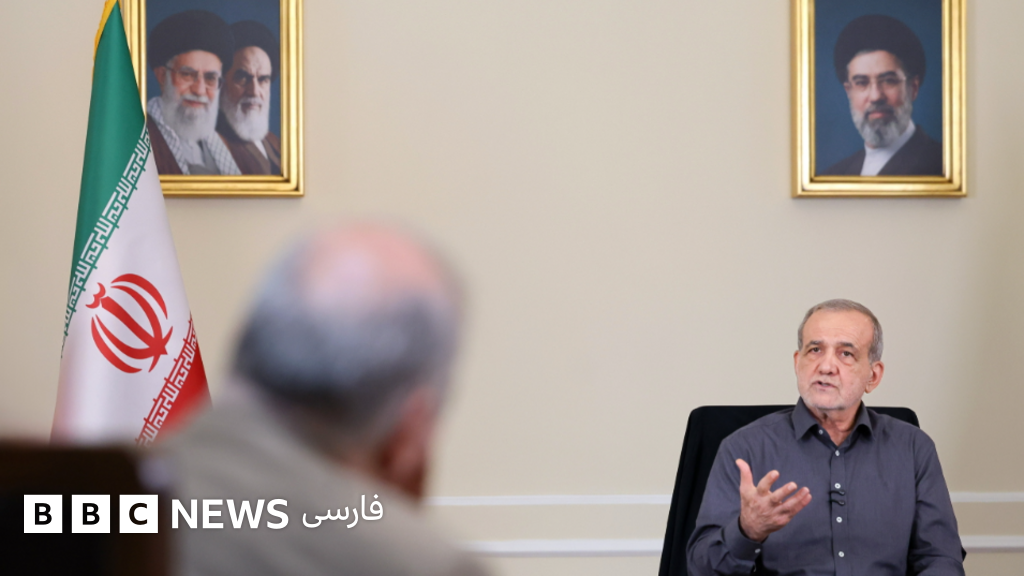
Iran's President, Ebrahim Raisi, has rejected rumors of his resignation and vowed to stay in office. The rumors have been circulating for several days, with some speculating that Raisi may be stepping down due to health reasons. However, Raisi has denied these claims, saying that he is committed to serving out his term.
Iran's President, Ebrahim Raisi, is under pressure and rumors are circulating that he might resign. But he says he's committed to staying in office and serving out his term. This is a big deal because it could create a power vacuum and make things unstable in the country.
Analysis
A President Under Pressure
Iran's President, Ebrahim Raisi, has been under intense pressure in recent weeks, with rumors of his resignation circulating widely. The rumors have been fueled by speculation about Raisi's health, with some suggesting that he may be stepping down due to illness. However, Raisi has denied these claims, saying that he is committed to serving out his term.
Raisi's presidency has been marked by controversy and turmoil, with the country facing a range of challenges, including economic sanctions, protests, and a growing sense of discontent among the population. Despite these challenges, Raisi has remained committed to his role, and has vowed to stay in office and see out his term.
The rumors of Raisi's resignation have sparked concerns about the stability of the Iranian government and the potential impact on the country's economy and politics. If Raisi were to step down, it could create a power vacuum and potentially lead to a period of instability and uncertainty. This could have significant implications for the country's economy, politics, and international relations.
In the short term, the rumors of Raisi's resignation have sparked a sense of uncertainty and unease among the population. Many Iranians are worried about the potential impact of a change in leadership on the country's economy and politics, and are calling for greater transparency and accountability from the government.
In the long term, the rumors of Raisi's resignation could have significant implications for the country's future. If Raisi were to step down, it could create an opportunity for a new leader to emerge and potentially bring about a period of change and reform. This could be a positive development for the country, but it also carries risks, including the potential for instability and uncertainty.
Overall, the rumors of Raisi's resignation are a reminder of the complex and challenging nature of Iranian politics. The country is facing a range of challenges, and the potential impact of a change in leadership on the economy, politics, and international relations is significant.
Key points
- Iran's President, Ebrahim Raisi, has rejected rumors of his resignation and vowed to stay in office.
- The rumors of Raisi's resignation have sparked concerns about the stability of the Iranian government and the potential impact on the country's economy and politics.
- Raisi has been under intense pressure in recent weeks, with rumors of his resignation circulating widely.
- The rumors of Raisi's resignation have sparked a sense of uncertainty and unease among the population.
- Many Iranians are worried about the potential impact of a change in leadership on the country's economy and politics.
If Raisi were to stay in office, it could bring a sense of stability and continuity to the country, and potentially allow for a period of reform and change. This could be a positive development for Iran, and could help to address some of the country's pressing challenges.
If Raisi were to step down, it could create a power vacuum and potentially lead to a period of instability and uncertainty. This could have significant implications for the country's economy, politics, and international relations, and could potentially lead to a period of conflict and violence.