Iran's president says country faces 'many problems' as US ramps up sanctions
Iran's president acknowledged significant economic hardship, including inflation and unemployment, as the US intensifies sanctions. Tehran criticizes these measures as illegal extraterritorial assertions.
Intelligence analysis by Gemini 2.5 Flash Lite
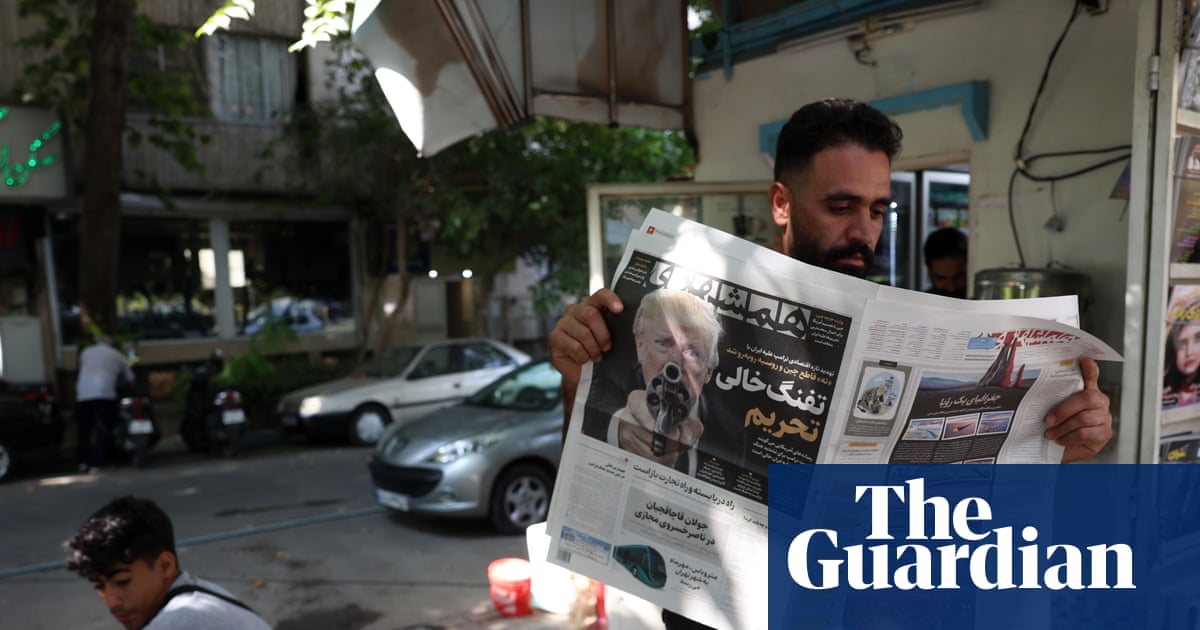
Iranian President Masoud Pezeshkian admitted the nation faces "many problems" due to escalating US sanctions, which he described as an "economic, military and security war." This comes as the US prepares to announce further "toughest sanctions in history," while Iran's security chief warned neighbors against cooperation and threatened US interests.
Imagine two countries are in a big argument. One country (the US) is trying to make it really hard for the other country (Iran) to buy and sell things, like putting up big roadblocks. Iran's leader said this is causing lots of problems for his people, like making toys and snacks more expensive and harder to find.
Analysis
Economic War and Sanctions
The escalating economic pressure from the United States, characterized by President Trump as "the most crushing economic operation ever taken against any country," has pushed Iran to acknowledge significant domestic hardship. President Masoud Pezeshkian's candid admission of "many problems in society right now," including inflation, unemployment, and livelihood issues, underscores the profound impact of these sanctions. The Iranian government's stated goal is to "overcome inflation, livelihood problems, unemployment, and to secure the future of the people, so that they can live with dignity and pride." This public acknowledgment of internal struggles comes at a critical juncture, as the US Treasury Secretary is poised to announce further punitive measures, which Iran's foreign ministry has decried as a violation of international law and an "assertion of extraterritorial sovereignty."
Mohsen Rezaei's Warnings
Mohsen Rezaei, the newly appointed hardline leader of Iran's supreme national security council, has adopted a more aggressive posture, warning regional neighbors against aligning with US sanctions efforts. Rezaei, a former commander of the Islamic Revolutionary Guard Corps, stated that any neighbor joining the "economic war" would be "considered an enemy" and have their interests targeted. He specifically threatened to disrupt oil-shipping routes out of the Gulf, signaling a potential escalation beyond purely economic measures. Rezaei also indicated that Iran has not yet fully utilized its retaliatory capabilities, suggesting that US economic interests in the region could become targets if sanctions persist, moving beyond the current focus on military bases.
Geopolitical Tensions and Trade Disruptions
The ongoing conflict, which began on February 28th and saw a ceasefire agreement collapse in June, has left Iran in control of the Strait of Hormuz, a vital artery for global oil supply. The US has been actively seeking international cooperation to isolate Iran's economy, particularly from key partners like China, which has criticized the sanctions approach. The situation has already led to tangible trade disruptions, with the United Arab Emirates suspending all trade and financial transactions with Tehran. The US's "Operation Economic Fury" aims to choke off Iran's funding, while a naval blockade in the Strait of Hormuz attempts to halt oil exports. President Trump's repeated assertions of the Strait of Hormuz being "American territory" further inflame regional tensions and increase the risk of direct confrontation.
Key points
- Iran's president acknowledges severe economic problems due to US sanctions.
- The US is preparing to announce further "toughest sanctions in history" on Iran.
- Iran's security chief warns neighbors against cooperating with US sanctions and threatens US interests.
- Trade disruptions are occurring, with the UAE suspending transactions with Tehran.
- Tensions remain high over the Strait of Hormuz, a critical global oil transit point.
If diplomatic channels can be effectively utilized and de-escalation efforts succeed, Iran might be able to negotiate a reduction in sanctions, leading to improved economic conditions for its citizens. A stabilization of regional trade routes could also benefit global markets.
The escalating rhetoric and threats of targeting shipping routes and economic interests significantly increase the risk of military confrontation. Further sanctions could deepen Iran's economic crisis, potentially leading to increased internal unrest and regional instability.