Iran’s southern coasts undergoing cleanup after oil pollution
Iran's Department of Environment has launched operations to clean up oil pollution along the southern coasts of Qeshm Island and Hengam Island following the environmental consequences of military aggression by the enemy.
Intelligence analysis by Llama
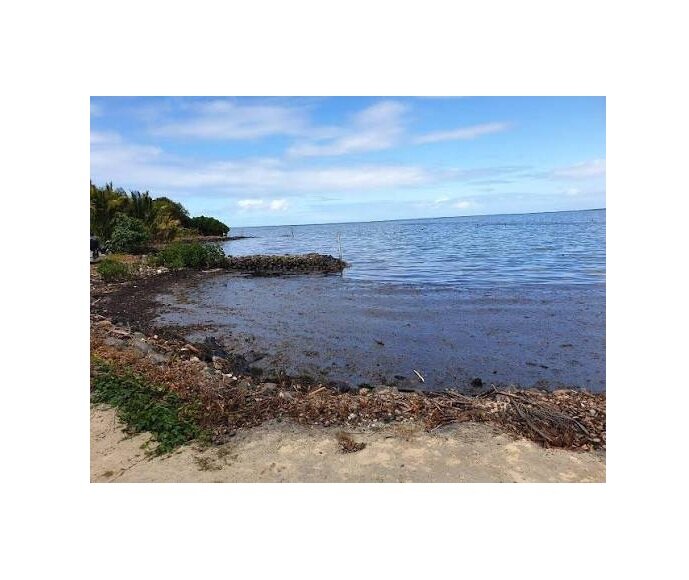
Iran's Department of Environment is working to clean up oil pollution along the southern coasts of Qeshm Island and Hengam Island, which is a result of military aggression by the enemy. The cleanup operations are being carried out in cooperation with executive bodies and local communities.
Imagine someone spilled oil on the beach, and now the water and sand are dirty. That's what happened to the southern coasts of Qeshm Island and Hengam Island. Iran's Department of Environment is working to clean up the oil spill so the water and sand can be clean again.
Analysis
Environmental Consequences of Military Aggression
The oil pollution along the southern coasts of Qeshm Island and Hengam Island is a direct result of the military aggression imposed on Iran's coastal and marine ecosystems. This is not an isolated incident, but rather a visible example of the broader environmental consequences of military activities and other operations in the Persian Gulf.
Iran's Department of Environment Takes Action
Iran's Department of Environment has launched operations to clean up the oil pollution along the southern coasts of Qeshm Island and Hengam Island. The cleanup operations are being carried out in cooperation with executive bodies and local communities. According to Shina Ansari, head of Iran's Department of Environment, personnel from the department are working to clean up the affected areas.
The Need for Environmental Protection
The recent incident highlights the need for environmental protection to be an integral part of any future arrangements concerning the administration of the Strait of Hormuz. As Foreign Ministry Spokesperson Esmaeil Baqaei recently warned, environmental protection must be an integral part of any future arrangements concerning the administration of the Strait of Hormuz. This is not only a moral responsibility, but also a legal one, as parties benefiting from commercial shipping through the Strait of Hormuz have both legal and moral responsibilities to help address environmental damage to the region's waters.
Key points
- Iran's Department of Environment is working to clean up oil pollution along the southern coasts of Qeshm Island and Hengam Island.
- The oil pollution is a result of military aggression by the enemy.
- The cleanup operations are being carried out in cooperation with executive bodies and local communities.
- Environmental protection must be an integral part of any future arrangements concerning the administration of the Strait of Hormuz.
- Parties benefiting from commercial shipping through the Strait of Hormuz have both legal and moral responsibilities to help address environmental damage to the region's waters.
If the cleanup operations are successful, the southern coasts of Qeshm Island and Hengam Island can be restored to their natural state, and the environmental damage can be minimized. This would be a positive outcome for the region and its inhabitants.
However, if the cleanup operations are not successful, the oil pollution could have long-term effects on the marine ecosystem, including the loss of biodiversity and the degradation of the water quality. This would be a negative outcome for the region and its inhabitants.