Israel-Hezbollah fighting casts cloud over prospects for U.S.-Iran peace deal
Israel-Hezbollah clashes are complicating U.S.-Iran ceasefire talks, while Tehran says no real progress has been made.
Intelligence analysis by GPT-5.4 Mini
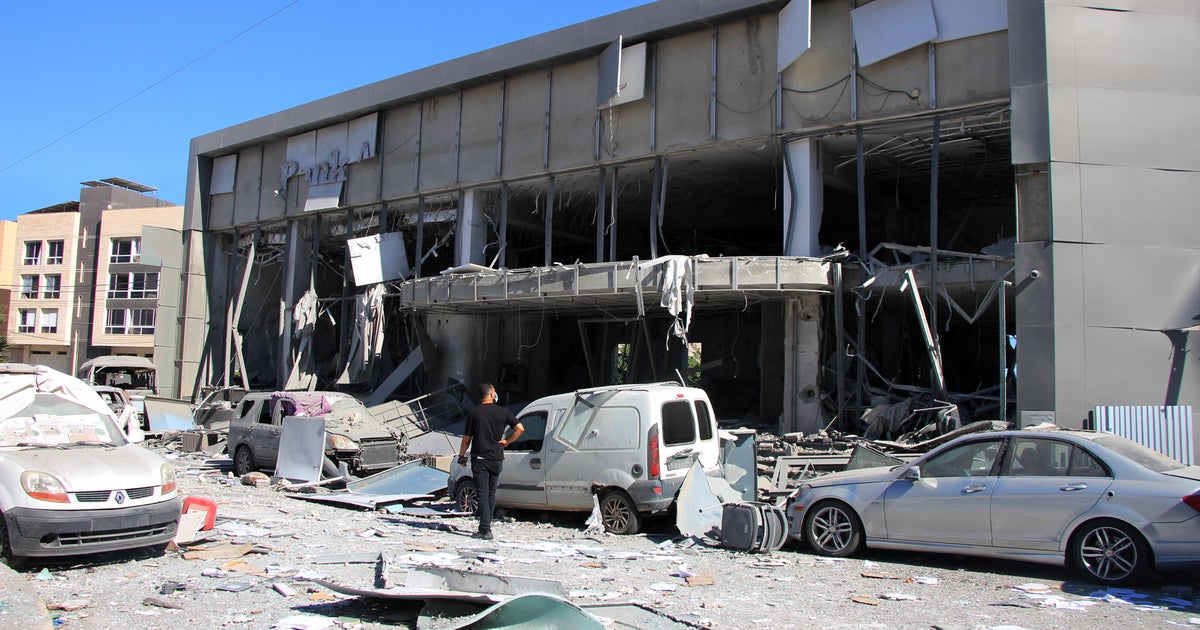
The live update says fighting in Lebanon and continued regional unrest are making it harder for the U.S. and Iran to reach any deal on a ceasefire and wider de-escalation. It also notes rising civilian harm, diplomatic uncertainty, and warnings that the conflict is deepening hunger across vulnerable countries.
It is like trying to stop a neighborhood fight while two other kids keep pushing and yelling. As long as Israel and Hezbollah keep clashing, the U.S. and Iran have a much harder time making a calm agreement.
Analysis
What is happening
The CBS live update says Israel-Hezbollah fighting is still complicating efforts to end the Iran war and reach a U.S.-Iran understanding. Tehran insists that hostilities with Israel and in Lebanon have to stop before any peace deal can move forward. The article says Israel and Lebanon agreed to renew their truce this week, but Hezbollah rejected the truce on Thursday, and Israeli strikes in southern Lebanon were reported Friday.
Where talks stand
The story says it is still unclear how close the U.S. and Iran are to a deal that would renew their ceasefire and reopen the Strait of Hormuz. That uncertainty remains despite optimism last week. Iranian Foreign Minister Abbas Araghchi said Wednesday that there had been “no tangible progress,” according to the live update. The U.S. says it is still in a ceasefire with Iran even as clashes continue.
Broader consequences
The live update also connects the war to worsening humanitarian conditions. The World Food Programme says the conflict is pushing millions more people toward hunger, especially in countries already dealing with conflict and economic strain. Its updated warning says the situation it feared in March is now unfolding, with more people in places like Somalia, Sri Lanka, and Afghanistan struggling to meet basic food needs.
Political pressure points
President Trump is quoted saying Hezbollah called and asked about stopping, while also saying he has spoken with Israeli, Lebanese, and Hezbollah leadership. He also said that if Iran kills U.S. troops, that would be a reason to restart the war. The article presents the diplomacy as fragile and tightly linked to battlefield events in Lebanon and broader regional pressure.
Key points
- Israel-Hezbollah fighting is making U.S.-Iran ceasefire diplomacy harder.
- Hezbollah rejected a truce this week, and Israeli strikes in southern Lebanon were reported Friday.
- Iran says any deal must protect its national interests, and officials say there has been no tangible progress.
- The U.S. says it remains in a ceasefire with Iran, but the situation remains fragile.
- The World Food Programme warns the regional war is pushing millions more people toward hunger.
If the ceasefire talks hold, the U.S. and Iran could avoid a wider war and reopen key channels like the Strait of Hormuz. A stable truce in Lebanon could also reduce pressure on civilians and give diplomats more room to negotiate.
If Hezbollah fighting keeps escalating, the U.S.-Iran ceasefire effort could stall or collapse. The article also suggests the conflict could keep worsening hunger and displacement across the region, while raising the risk of direct hits on U.S. interests or troops.