Italy suspends EU Schengen free-travel pact with Spain over Ceuta migrant crisis
Italy has suspended the EU's border-free Schengen arrangements with Spain for one month in response to a mass influx of migrants into the Spanish enclave of Ceuta from Morocco. The move will affect people travelling by plane or boat between the two countries, requiring th…
Intelligence analysis by Llama
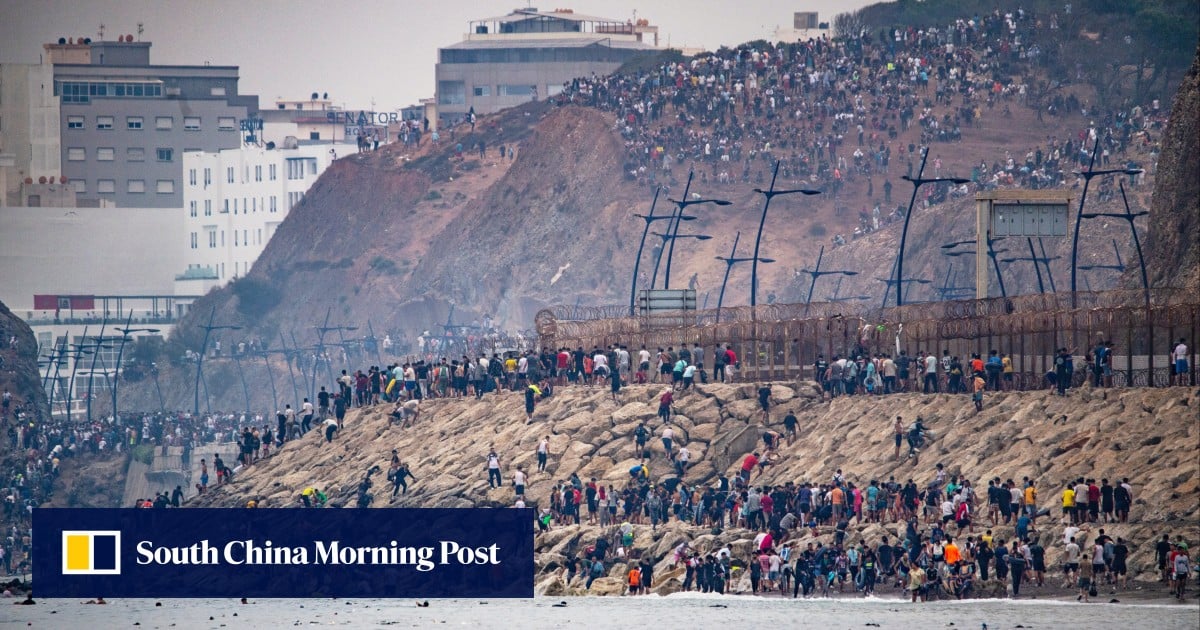
Italy has suspended the EU's Schengen arrangements with Spain for one month in response to a mass influx of migrants into Ceuta from Morocco. The move will affect air and sea travel between the two countries, requiring passports for entry.
Italy has suspended a special agreement with Spain that lets people travel freely between the two countries. This is because a lot of people have been coming into Spain from Morocco, and Italy wants to make sure its borders are secure.
Analysis
Italy's Response to the Migrant Crisis
Italy's decision to suspend the Schengen arrangements with Spain is a significant move in response to the mass influx of migrants into Ceuta from Morocco. The Italian government has faced pressure from a new far-right party led by former army general Roberto Vannacci, whose anti-migrant rhetoric has resonated with some voters. The suspension of the Schengen arrangements is seen as a symbolic gesture aimed at a domestic political audience, with no evidence that the migrants in Ceuta had any intention of heading to Italy.
The Impact on Travel Between Italy and Spain
The suspension of the Schengen arrangements will affect people travelling by plane or boat between Italy and Spain. This means that they will need to show a passport to gain access, rather than being able to travel freely as before. The move is likely to cause inconvenience for tourists and business travellers, but it is also seen as a necessary measure to strengthen border controls.
The Broader Implications
The migrant crisis in Ceuta has highlighted the complexities of border control and migration in the EU. The EU's Schengen area is a border-free zone that allows for the free movement of people between member states. However, the crisis in Ceuta has shown that this system can be vulnerable to pressure from large numbers of migrants. The Italian government's decision to suspend the Schengen arrangements with Spain is a response to this pressure, and it highlights the need for the EU to strengthen its border controls and migration policies.
Key points
- Italy has suspended the EU's Schengen arrangements with Spain for one month in response to a mass influx of migrants into Ceuta from Morocco.
- The move will affect people travelling by plane or boat between Italy and Spain, requiring them to show a passport to gain access.
- The suspension of the Schengen arrangements is seen as a symbolic gesture aimed at a domestic political audience, with no evidence that the migrants in Ceuta had any intention of heading to Italy.
If the migrant crisis in Ceuta is resolved, it could lead to a reduction in the number of people trying to cross into Spain, making it easier for people to travel between Italy and Spain.
The suspension of the Schengen arrangements could lead to increased bureaucracy and delays for people travelling between Italy and Spain, causing inconvenience for tourists and business travellers.