'I've definitely lost followers': influencers face backlash over Meta 'pervert glasses' content
Influencers using Meta's smart glasses are facing waves of negative comments and follower losses amid privacy fears. The backlash has reached UK venues, with chains like Wetherspoons banning the devices.
Intelligence analysis by Llama
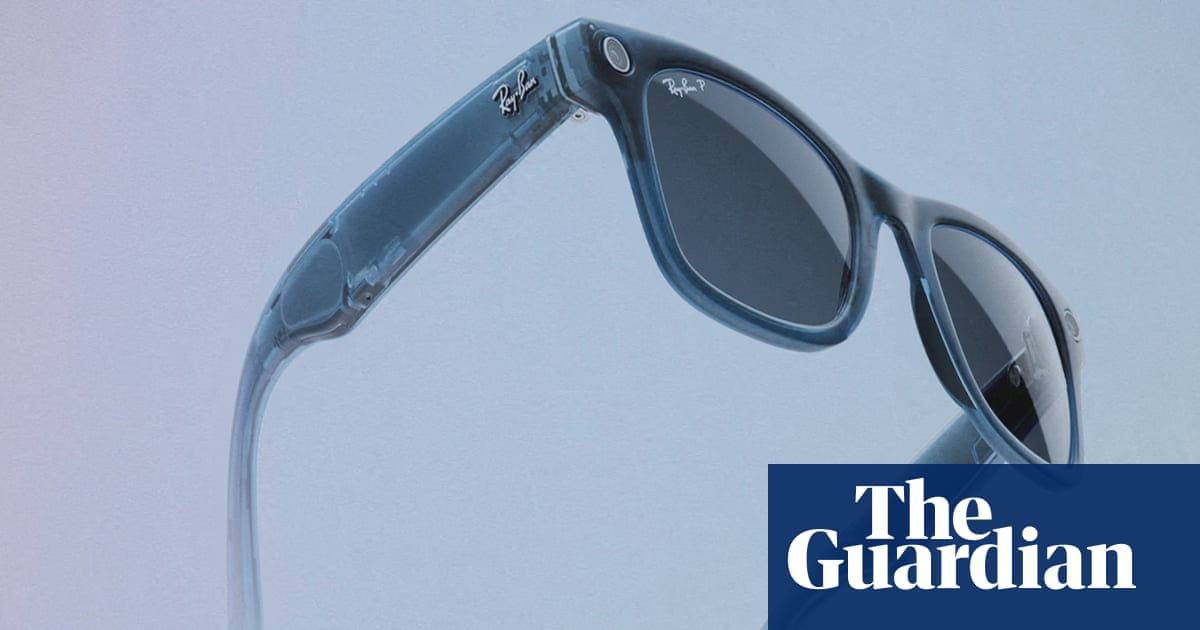
Meta's camera-equipped smart glasses, marketed through a Kylie Jenner collaboration, have triggered a consumer backlash dubbed 'pervert glasses'. Influencers report losing followers for benign use, while venues, police, and women's safety advocates respond to reports of covert filming.
Some people wear special glasses that can secretly record video. That scares other folks because strangers don't want to be filmed without asking. Influencers who wear the glasses get mean comments online, and some restaurants have started banning them — like telling guests they can't wear hats inside.
Analysis
Oliver Hooson's flat-white reckoning
Oliver Hooson's cycling-and-coffee video was never designed to provoke. Filmed at the Tour de France finale with Meta's smart glasses, the clip drew comments labelling him a 'PERV' and accusing him of pushing 'creep glasses'. Hooson, who has 224,000 Instagram followers, told the Guardian he lost 'a good 50 to 100' followers in the aftermath. His response was striking: rather than defend the product, he endorsed the backlash as a 'defence mechanism' to limit sales and usage. That voluntary retreat by a creator who received the glasses at a PR event illustrates how quickly the public framing of a gadget can flip from aspirational gadget to social liability. For Meta, every such withdrawal chips away at the influencer funnel on which the company depends to seed new hardware into everyday life.
7m pairs in 2025 versus the Wetherspoons ban
The commercial picture is more complicated than the backlash suggests. Meta sold 7m pairs of the smart glasses in 2025 alone, a figure that establishes the product as a meaningful contributor to the company's hardware ambitions inside Reality Labs. Yet the same period has seen restaurants, theatres and pubs in the UK — including the Wetherspoons chain — bar the devices over privacy concerns. Police in Scotland are investigating a far-right TikToker who allegedly filmed young women and a Sikh shopkeeper without consent, and multiple women have told the BBC they were recorded without their knowledge. Meta's defence — that a flashing LED signals recording — is being undermined by testimony that the light is easy to miss. The gap between a 7m-unit sales figure and venue-level bans is the central tension: commercial traction and social licence are no longer moving together.
Kylie Jenner's launch and the influencer economy
The summer peak of the controversy coincided with Kylie Jenner's collaboration with Meta, which produced a flurry of influencers showcasing the 'Kardashian-approved goggles'. One of them, Rida Tharana, who has 1.6m Instagram followers, publicly 'took accountability' for joining a Meta campaign and criticised men who misuse the glasses to 'record and harass women'. Parenting creator Deena Lang, with 110,000 followers, was 'horrified' when she reviewed her own cooking-class footage and 'kept catching people giving me dirty looks'. The pattern matters economically because Meta's go-to-market for hardware relies on this same creator class to manufacture desire. When the cohort that sells the product publicly disavows it, the marginal cost of every future unit goes up — not in manufacturing, but in marketing and reputational repair.
Key points
- Influencers including Oliver Hooson (224,000 followers), Rida Tharana (1.6m followers) and Deena Lang (110,000 followers) report follower losses or public apologies for using Meta's glasses
- Meta sold 7m pairs of the smart glasses in 2025, even as the device earned the 'pervert glasses' label online
- UK venues including Wetherspoons have banned the glasses, and police in Scotland are investigating covert filming incidents
- Meta's defence — a flashing LED recording indicator — is being disputed by people who say they were filmed without realising it
- A Kylie Jenner collaboration accelerated influencer adoption this summer and, in turn, accelerated the backlash
Meta could respond with stronger consent cues — louder LEDs, mandatory countdowns, or visible 'recording' overlays — and the company has the resources to roll them out quickly across the existing fleet. If the privacy fears ease, the 7m-unit installed base becomes a foundation for the next generation of glasses rather than a liability, and creators who apologised could return to a normalised product.
If venue bans spread, police investigations produce charges, and a critical mass of influencers publicly distances itself from the product, Meta faces a slower consumer adoption curve and rising regulatory pressure. The company would then have to choose between costly hardware redesigns, accepting a niche market, or absorbing continued brand damage to its broader advertising business.