Japanese sushi chain ends Chiikawa rollout after staff caught selling freebies online
Japanese sushi chain Kura Sushi abruptly cancelled its popular Chiikawa marketing campaign after staff were caught stealing and reselling promotional items online, leading to customer disappointment and a drop in share price.
Intelligence analysis by Gemini 2.5 Flash
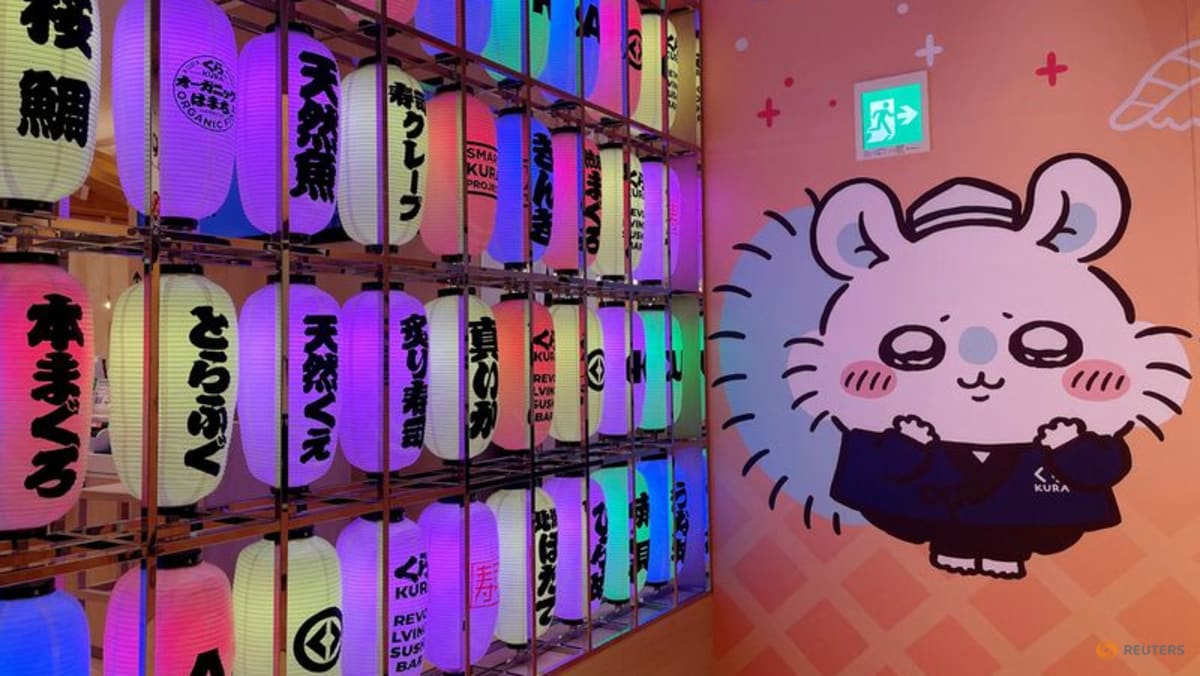
Conveyor-belt sushi chain Kura Sushi halted its highly anticipated Chiikawa character campaign due to internal theft. Employees were found to be reselling limited-edition freebies online, causing significant customer backlash, a surge in reservation cancellations, and a 2.5 per cent dip in the company's stock value on the Tokyo exchange.
Imagine a popular sushi restaurant gave away cool toys with your meal, like a special prize. Everyone wanted these toys so much that the restaurant was super busy! But then, some of the grown-ups who worked there secretly took the toys and sold them online for money instead of giving them to customers. This made everyone very sad and angry, so the restaurant had to stop giving out the toys, and fewer people wanted to eat there for a while.
Analysis
The recent scandal involving Kura Sushi, a prominent Japanese conveyor-belt sushi chain, underscores the complex risks associated with highly popular marketing collaborations. The company's decision to prematurely end its Chiikawa campaign, initially planned to run through September, came after confirming that its own staff were pilfering the exclusive promotional items and selling them on online marketplaces. This internal breach of trust not only led to widespread customer disappointment but also resulted in a significant number of reservation cancellations and a notable 2.5 per cent decline in Kura Sushi's share price on the Tokyo stock exchange.
Kura Sushi
Kura Sushi had launched its second Chiikawa campaign on August 21, offering limited-edition branded items like pouches and plates on a first-come, first-served basis, alongside a prize-yielding game for customers trading in empty sushi plates. The campaign was an undeniable success initially, with spokesperson Hiroyuki Kosaka noting that virtually every table at participating restaurants was booked for the rest of the month. The abrupt cancellation on a Sunday, following confirmation of staff misconduct, transformed this marketing triumph into a public relations nightmare, forcing the company to issue an apology for the "trouble and disappointing customers."
Chiikawa
Central to the campaign's immense popularity is the Chiikawa franchise, which has achieved a "cult-like popularity" since its creation in 2020. The characters, whose name is a truncated Japanese phrase meaning "something kind of small and cute," have become one of Asia's most sought-after licensing properties. Despite their cuddly appearance, Chiikawa characters resonate with a broad audience, including men, women, and children, due to their relatable struggles with work, exams, and salaries. This jarring disconnect between their cute looks and grim predicaments has fueled their dizzying popularity, evidenced by a maiden film grossing 12.2 billion yen and an X account boasting 5.4 million followers, including Japanese Finance Minister Satsuki Katayama. Previous collaborations, like Kura Sushi's first tie-up in March 2024, saw same-store sales jump 23 per cent.
McDonald's Japan
The Kura Sushi incident is not an isolated case, drawing parallels to similar marketing debacles in Japan. Last year, McDonald's Japan faced controversy during its own tie-ups with both Chiikawa and Pokémon. In those instances, many customers were reported to have purchased large quantities of Happy Meals solely to acquire the free toys for resale, often disposing of the accompanying food. These repeated incidents highlight a recurring challenge for companies leveraging popular franchises: managing the intense demand for exclusive merchandise, which can inadvertently create a black market for freebies and lead to ethical dilemmas, operational inefficiencies, and reputational damage, whether from external resellers or, as in Kura Sushi's case, internal theft.
Key points
- Japanese sushi chain Kura Sushi ended its Chiikawa marketing campaign prematurely.
- The cancellation was due to staff members stealing and reselling the limited-edition freebies online.
- The incident led to widespread customer disappointment, reservation cancellations, and a 2.5 per cent drop in Kura Sushi's shares.
- Chiikawa is a highly popular Japanese franchise known for its 'cute' characters and relatable 'stressful lives'.
- This follows similar issues in Japan, such as McDonald's customers buying Happy Meals for toys to resell.
Kura Sushi could use this incident as a catalyst to implement stronger internal controls and ethical training, potentially setting a new industry standard for managing high-demand promotional campaigns. By demonstrating a commitment to integrity, the company might rebuild customer trust and ensure future collaborations are executed more securely and fairly.
The scandal could inflict lasting damage on Kura Sushi's brand reputation, leading to sustained customer distrust and a reluctance to participate in future promotional events. This negative perception might also deter other popular franchises from collaborating with the chain, impacting its ability to attract new customers through such partnerships.
Market signals
- Kura Sushi Kura Sushi's shares dropped 2.5 per cent after the campaign cancellation due to staff misconduct.
AI-generated analysis of potential market relevance. Not financial advice.