JI Leader Raises Power, Tax, Agriculture Issues at Peshawar Sit-in
Jamaat-e-Islami Khyber Pakhtunkhwa Central Emir Abdul Wasey has demanded the withdrawal of the petroleum levy and vowed to continue the sit-in outside the Governor House until their demands are accepted.
Intelligence analysis by Llama
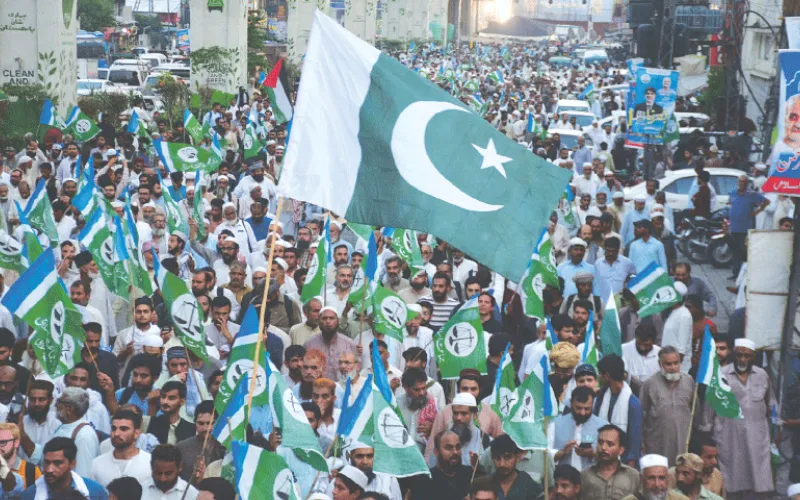
Jamaat-e-Islami leader Abdul Wasey has raised power, tax, and agriculture issues at a sit-in in Peshawar, demanding the withdrawal of the petroleum levy and criticizing the increase in tax collection targets. He also expressed concerns over drug use among young people and the closure of border trade, which has affected the business community.
A leader of the Jamaat-e-Islami party in Khyber Pakhtunkhwa is protesting against the government's policies, which he believes are affecting the people of the province. He is demanding the withdrawal of the petroleum levy and criticizing the increase in tax collection targets. He is also concerned about the use of drugs among young people and the closure of border trade, which has affected the business community.
Analysis
Power Shortages in Khyber Pakhtunkhwa
The province of Khyber Pakhtunkhwa produces three times more electricity than its requirements, yet it continues to face power shortages. Jamaat-e-Islami leader Abdul Wasey has criticized the government for not addressing this issue, despite the province's natural resources. He has demanded the withdrawal of the petroleum levy, which he believes is a major contributor to the power shortages.
Tax Collection Targets
Abdul Wasey has also criticized the increase in tax collection targets, saying that the public is not receiving relief in return. He has warned that restrictions on urea will further affect agricultural production, while expensive urea continues to be sold on the black market.
Agriculture Issues
The Jamaat-e-Islami leader has expressed concerns over drug use among young people, saying that youths in the province are being exposed to dangerous drugs such as ice. He has also criticized the government for not recognizing degrees earned by students from Afghanistan, which has affected the business community. Additionally, he has alleged that goods transporters are subjected to baton charges in Rashakai, which has further affected the business community.
Peaceful Resistance
Abdul Wasey has announced that workers from the southern districts, Hazara, and Malakand divisions will join the sit-in the following day. He has vowed to continue the peaceful resistance to achieve the demands of the Jamaat-e-Islami.
Key points
- Jamaat-e-Islami leader Abdul Wasey has demanded the withdrawal of the petroleum levy and criticized the increase in tax collection targets.
- The leader has expressed concerns over drug use among young people and the closure of border trade, which has affected the business community.
- Workers from the southern districts, Hazara, and Malakand divisions will join the sit-in the following day.
- The Jamaat-e-Islami leader has vowed to continue the peaceful resistance to achieve the demands of the party.
If the government addresses the demands of the Jamaat-e-Islami leader, it may lead to a peaceful resolution of the sit-in and a positive outcome for the people of Khyber Pakhtunkhwa. The government may also consider the concerns of the business community and take steps to address the issues affecting the province.
If the government fails to address the demands of the Jamaat-e-Islami leader, it may lead to further unrest and protests in the province. The closure of border trade may continue to affect the business community, and the use of drugs among young people may become a major issue.